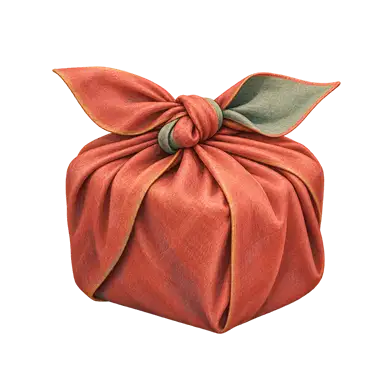
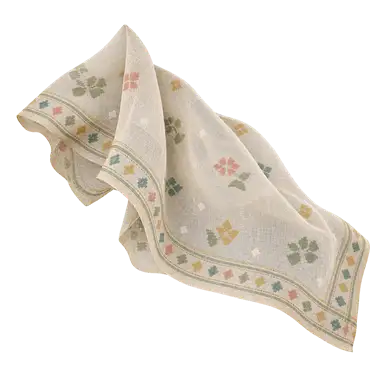
Bojagi wrapping cloth
South Korea
Carefully wrapped blessings and thoughtful care.
In gifts: Small Graces
🎁 Order by Nov 24 for estimated delivery before Dec 24 · free US shipping on every order
🎁 Order by Jan 8 for estimated delivery before Lunar New Year (Feb 6) · free US shipping on every order

SYMBOL GUIDE
226 symbols that people in different cultures use to express curiosity, creativity & wonder: where each comes from, what it is documented to mean, and a source you can check.
Jump to: East Asia (10) · South & Southeast Asia (8) · Middle East & Central Asia (9) · Africa (28) · Europe (28) · The Americas & Caribbean (44) · Oceania & the Pacific (5) · Shared across cultures & nature (94)
South Korea
Carefully wrapped blessings and thoughtful care.
In gifts: Small Graces
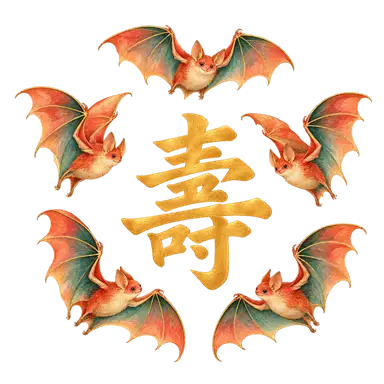
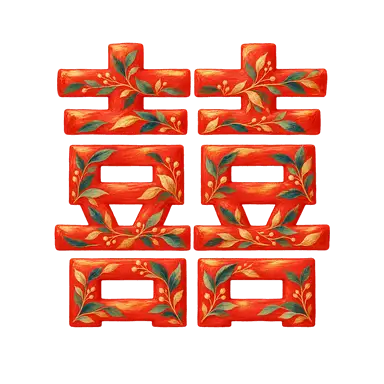
China
Wishes for blessings, longevity, health and a good life.
In gifts: Growing Light
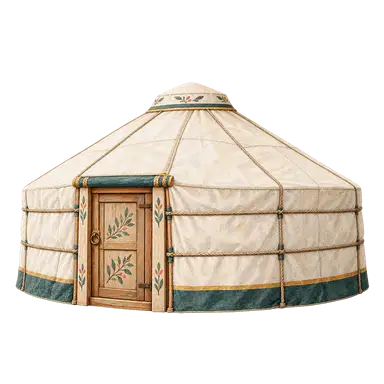
Mongolia
A home adapted to its environment and continuity of daily life.
In gifts: Rooted Here
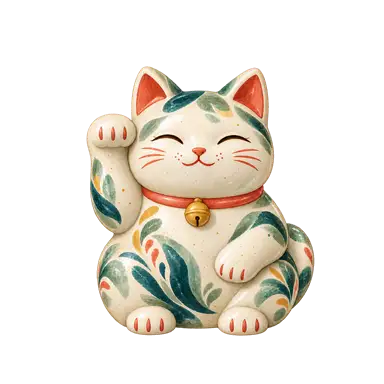
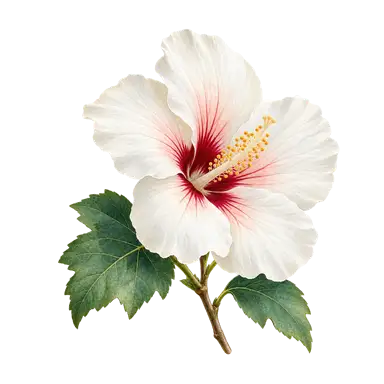
South Korea
Continuity and perseverance through hardship.
In gifts: Quiet Courage
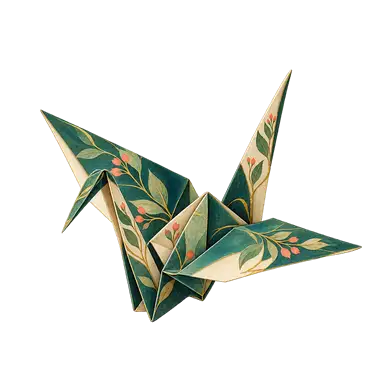
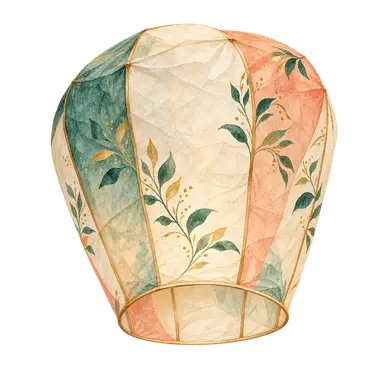

Japan
A visual expression of layered waves; calm or forward movement are optional personal interpretations.
In gifts: Homeward Tide
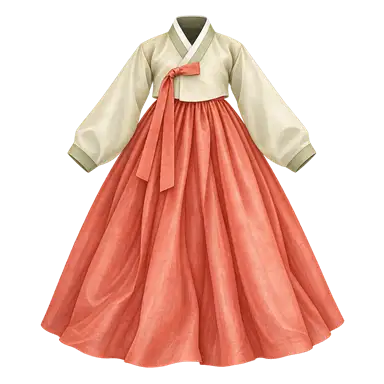
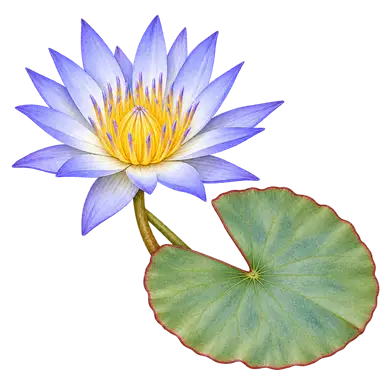
Sri Lanka
Connection to local nature; no universal spiritual meaning is verified here.
In gifts: Moonlit Pause
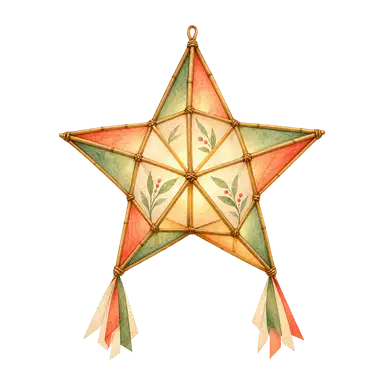
Philippines
Hope and guidance in a Philippine Christian Christmas context.
In gifts: Winter Lights
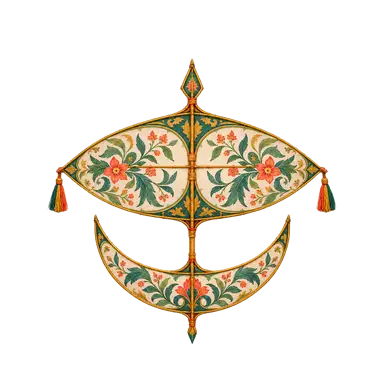
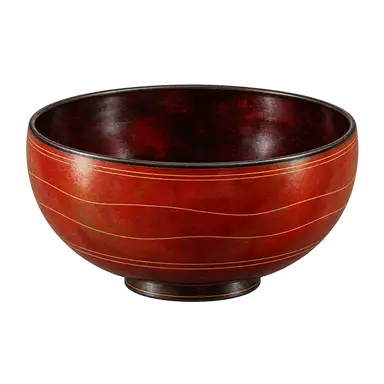
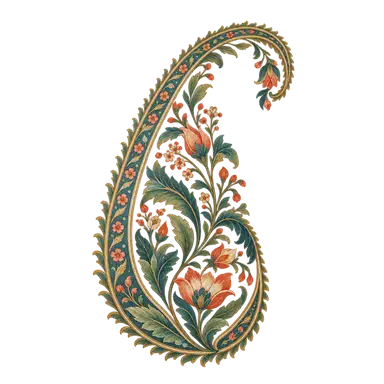
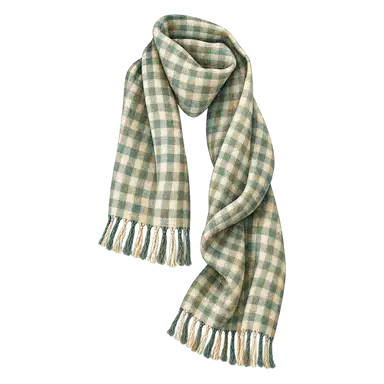
India
Cross-cultural textile memory and decorative expression, without one fixed meaning.
Bangladesh
Dignity, cultural identity and accomplished craftsmanship.
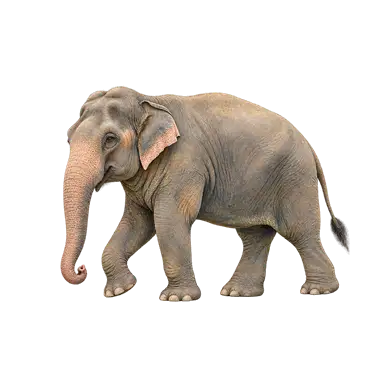
Thailand
Thai cultural identity; white elephants have distinct royal and religious associations.
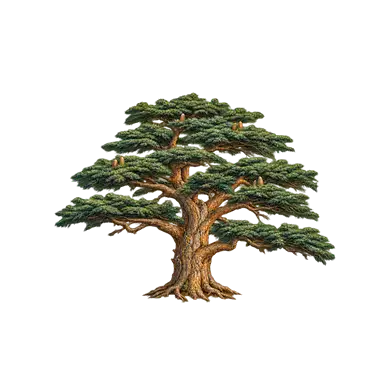
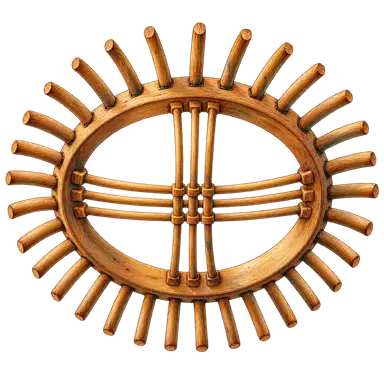
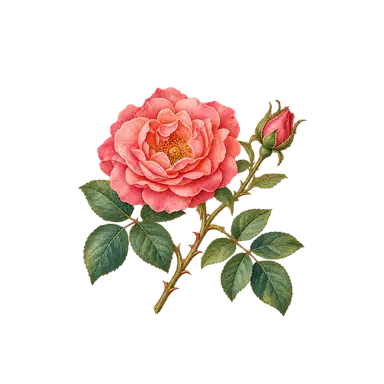
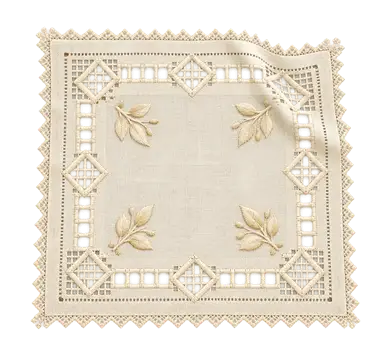
Cyprus
Careful craftsmanship, local identity and continuity.
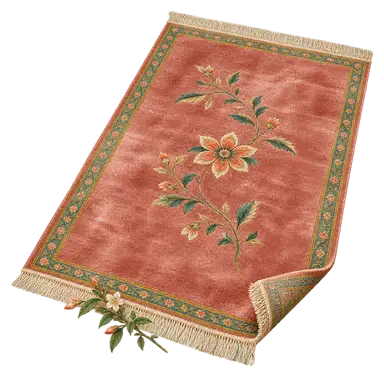
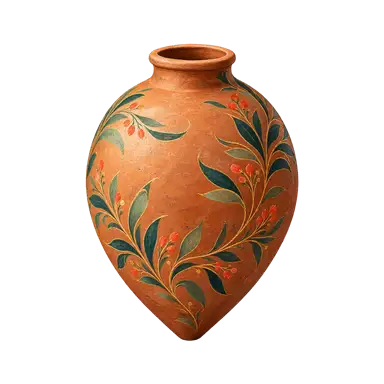
Iran
Accomplished craftsmanship, family continuity and cultural memory.
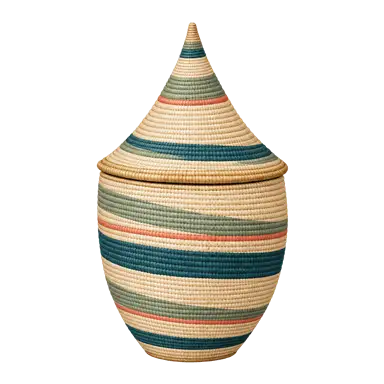
Rwanda
Gift giving and, in contemporary accounts, peace through working together.
In gifts: Small Graces
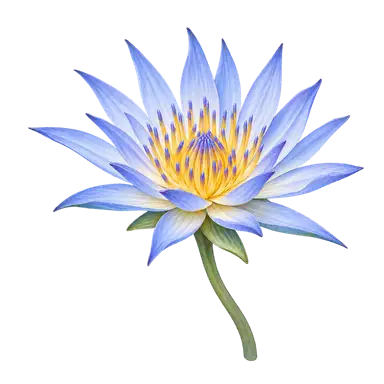
Egypt
In ancient Egyptian contexts, the water lily was associated with daily rebirth and renewed vitality through its nightly closing and morning opening.
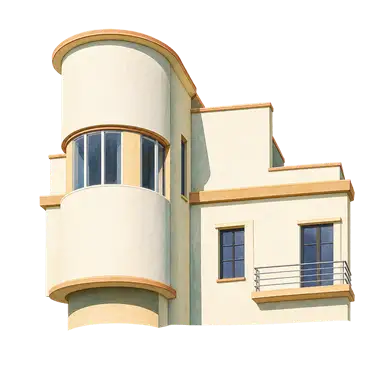
Eritrea
World Heritage material connects Asmara with collective urban identity and Eritrean self-determination while explicitly acknowledging colonial planning.
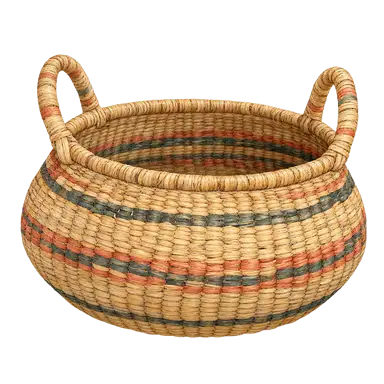
Djibouti
A documented local women’s craft and livelihood practice; fixed meanings for individual woven patterns are not supplied.
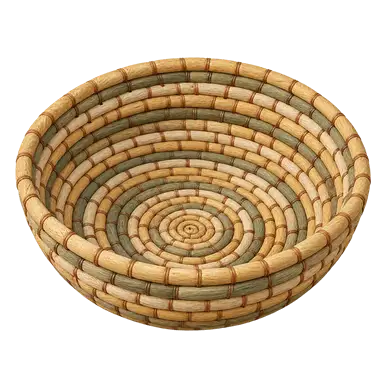
Botswana
Basket-making skills and everyday uses are documented; shared traditional meanings for all geometric patterns are not.
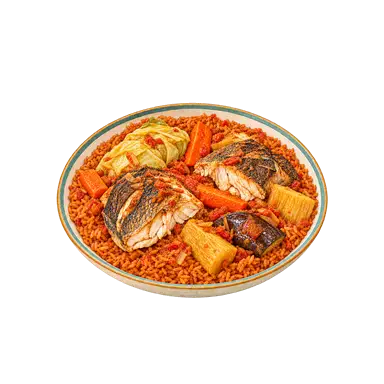
Senegal
Senegalese identity expressed through fish and rice and the practices around sharing it.
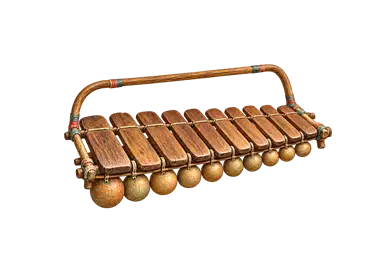
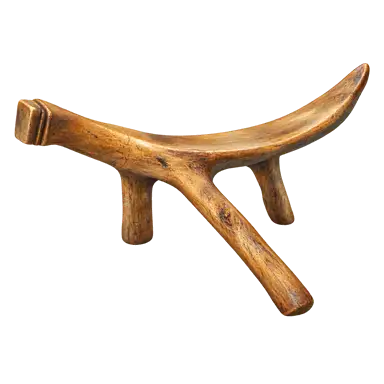
South Sudan
A documented wooden headrest; no national or fixed spiritual meaning has been established.
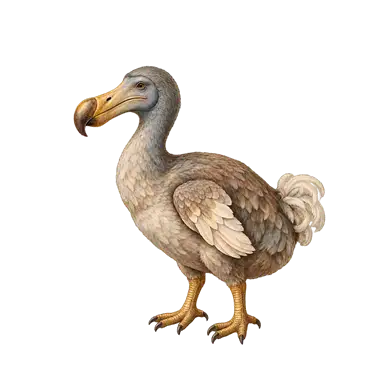
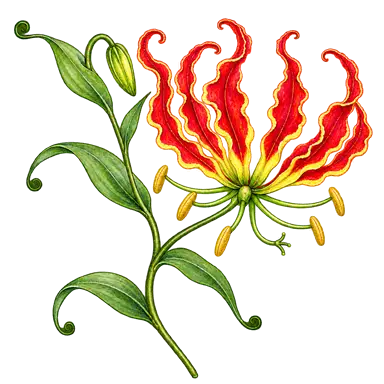
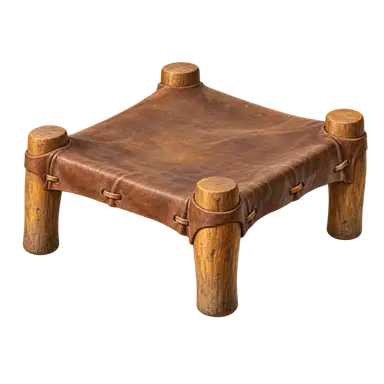
Somalia
Everyday domestic life and individual craftsmanship; no universal symbolic vocabulary is established.
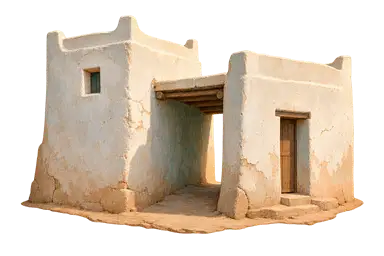
Libya
Adaptation to desert climate and local social life through architecture.
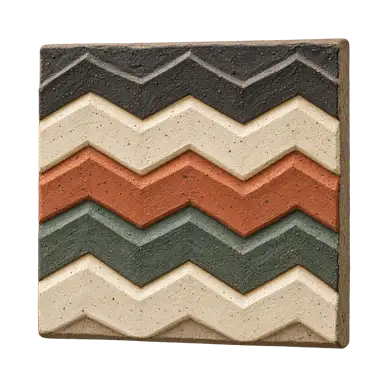
Rwanda
A locally rooted geometric art and a form of contemporary identity expression.
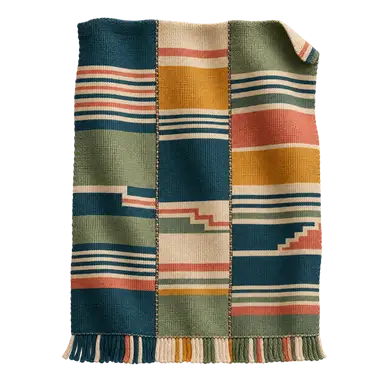
Ghana
A medium of communication and identity, with works named for proverbs and social situations; age, gender and status influence pattern choices.
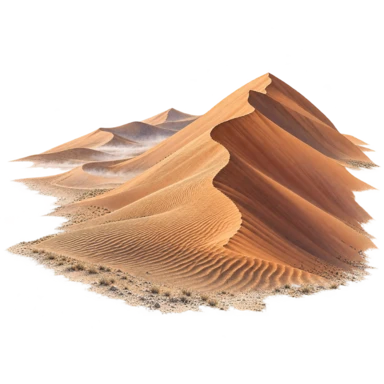
Namibia
Modern editorial interpretation: Let the changing light reveal a new way through.
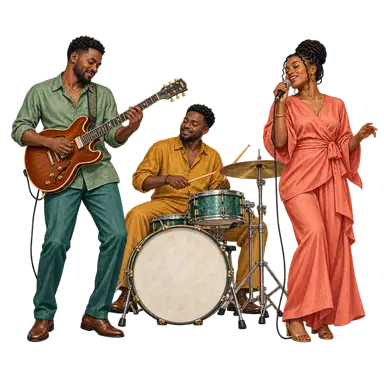
Congo
Part of Congolese and diaspora identity, carrying social values, intergenerational connections and solidarity in both celebration and mourning.
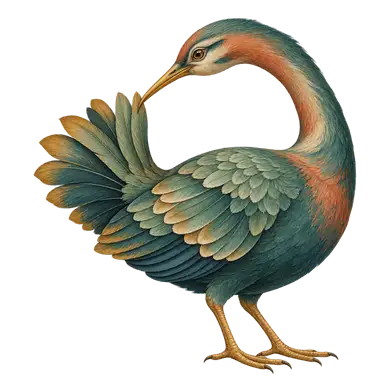
Ghana
The Sankofa idea values returning to retrieve what has been forgotten and learning from history; it has more than one traditional visual form.
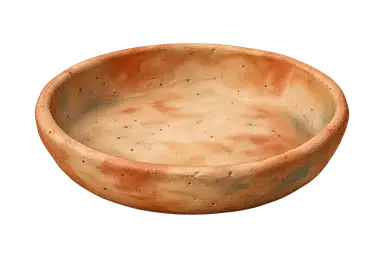
Tunisia
Women's skills, family collaboration and innovation responding to contemporary needs.
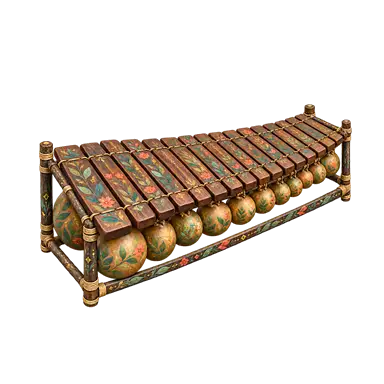
Burkina Faso
A carrier of community identity across celebrations, work, prayer, funerals and other activities, rather than a single emotion.
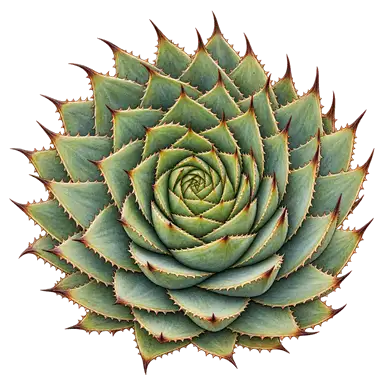
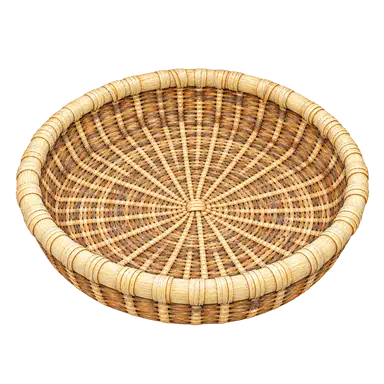
Zambia
Intergenerational craft knowledge connected with women's lives and local stories.
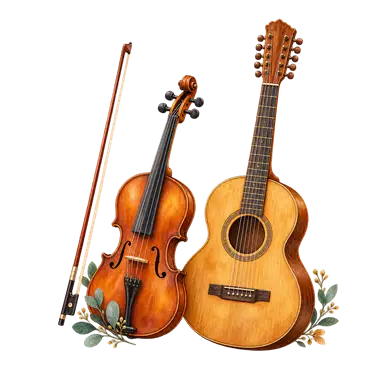
Cabo Verde
Lyrics explore love, separation, reunion, longing, the sea and home; individual works carry different emotions.
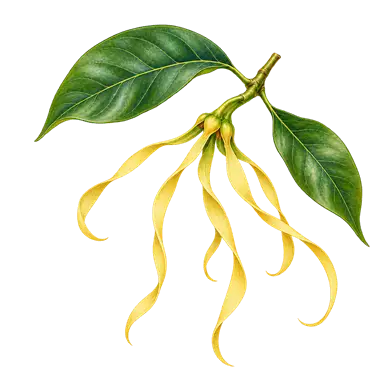
Comoros
Ylang-ylang is documented as an important Comorian export industry, not as a verified legal national flower or universally shared traditional emotion symbol.
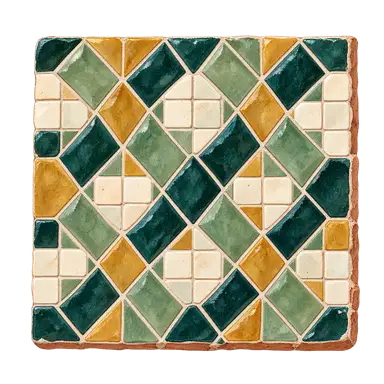
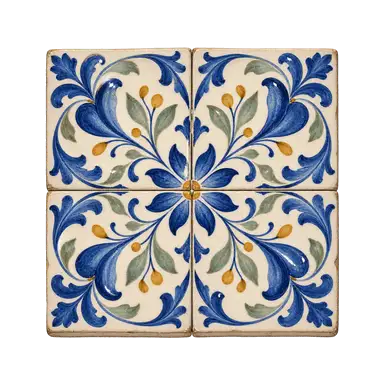
Portugal
Local memory, storytelling and art in everyday spaces.
In gifts: Rooted Here
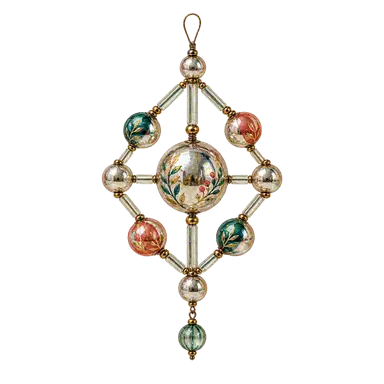
Czechia
Festive gathering, family craftsmanship and connections across generations.
In gifts: Gathered Branches
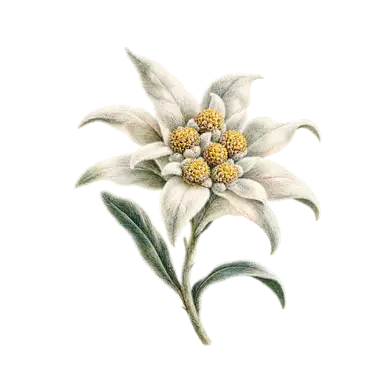
Austria
Alpine belonging, courage and adventure, with meanings that vary by context.
In gifts: Beyond the Horizon
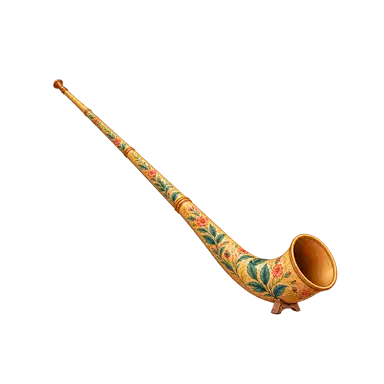
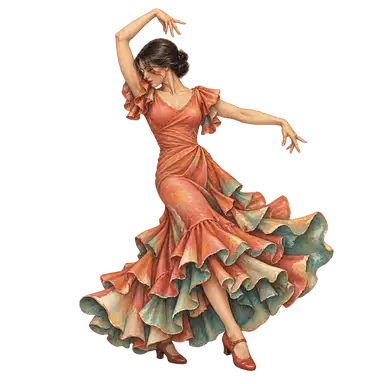
Spain
Powerful emotional expression, community identity and creativity.
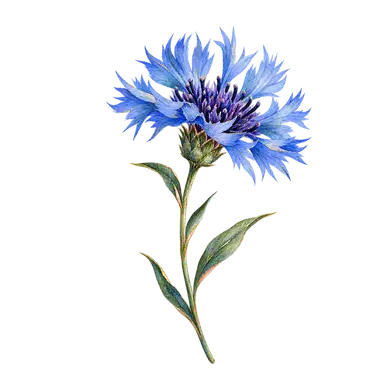
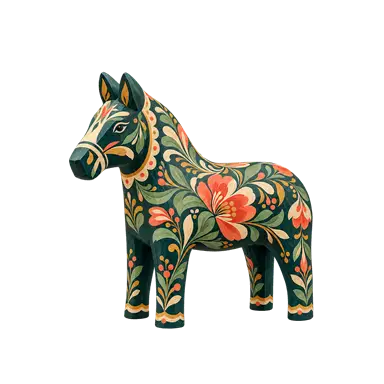
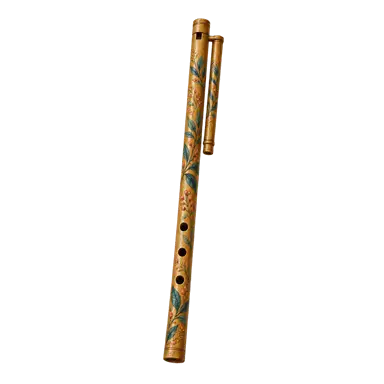
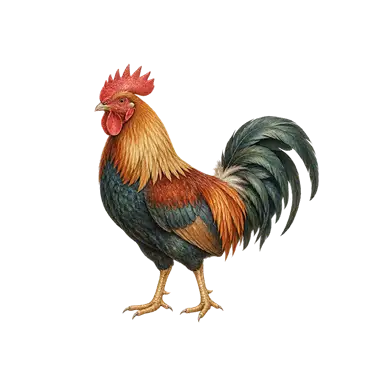
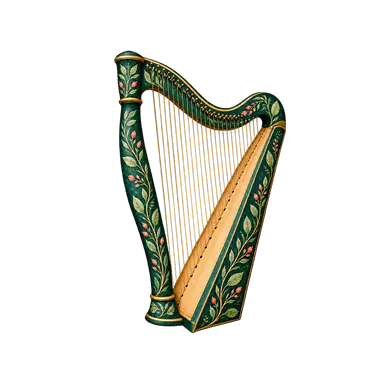
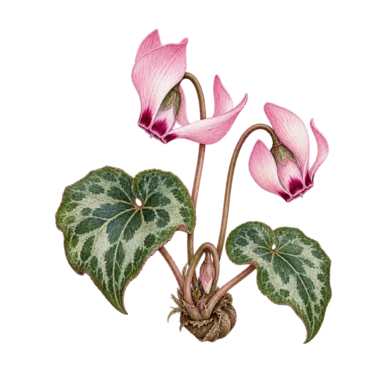
Mediterranean and southern European woodlands
Modern editorial interpretation: An editorial reminder that a new beginning can arrive outside the expected season.
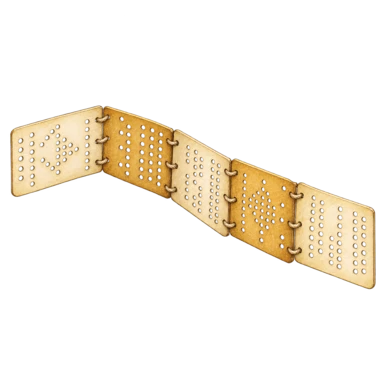
France · textile engineering
Modern editorial interpretation: Small choices can weave a remarkable whole.
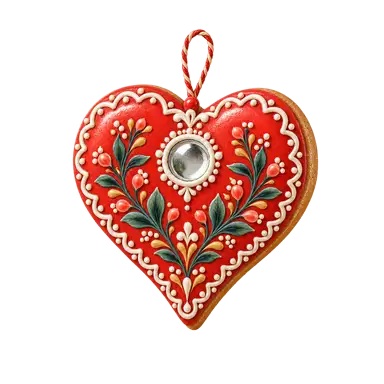
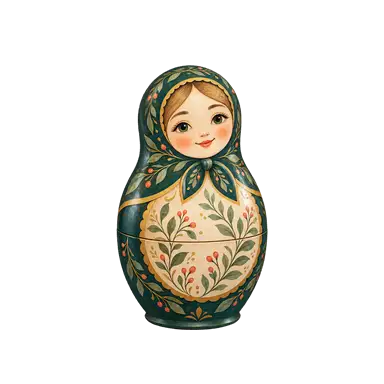
Russia
Local and personal identity; a layered self is an optional modern interpretation.
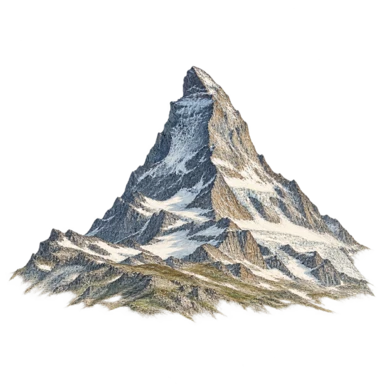
Swiss–Italian Alps
Modern editorial interpretation: Let a larger horizon make room for humility.
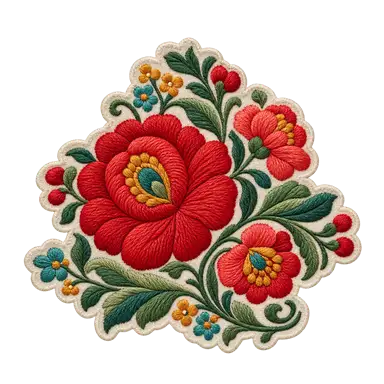
Hungary
Community cohesion, creativity and local pride.
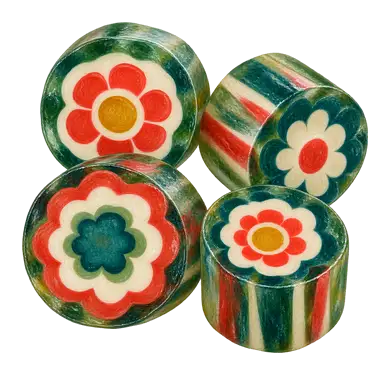
Italy
Shared memories, developing skill and individual creativity.

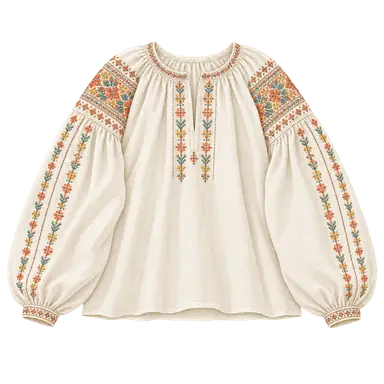
Romania
Cultural identity, a visible connection to the past and patient handwork.
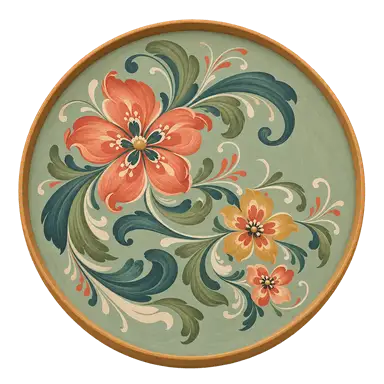
Norway
Folk aesthetics and local belonging; warmth and creativity are editorial associations.
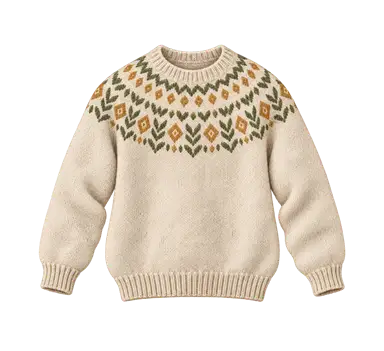
Iceland
Resilience against cold, local craft and Icelandic cultural identity.
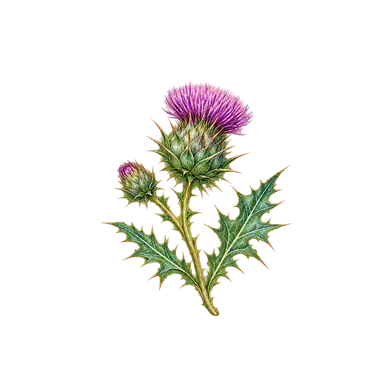
United Kingdom
Scottish identity; resilience is an optional contemporary association.
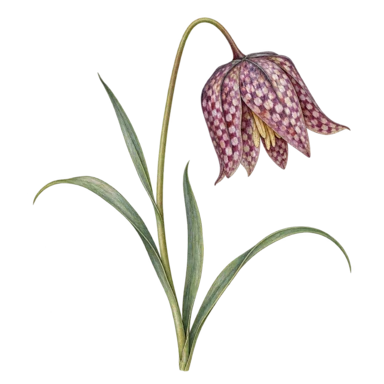
European meadow habitats and cultivation
Modern editorial interpretation: A modern celebration of detail that rewards a closer look.
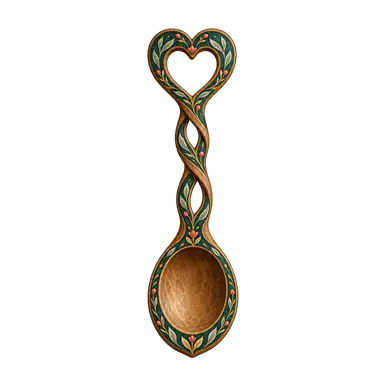
United Kingdom
Care, loyalty and personal affection, with multiple possible readings of individual motifs.
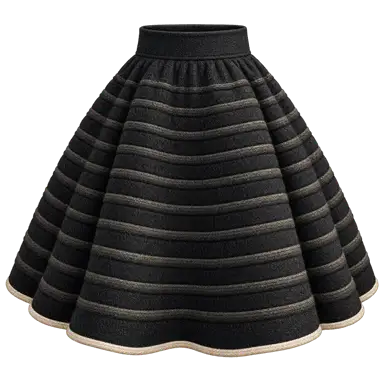
Albania
Highland belonging and continuity across generations, with meanings that are not shared uniformly nationwide.
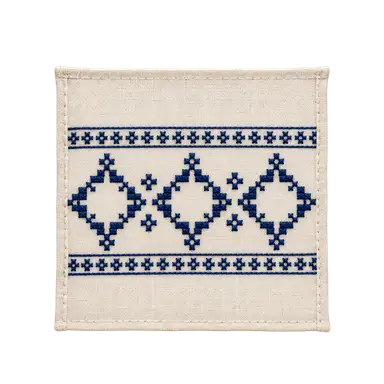
Bosnia and Herzegovina
Local identity, pride and emotional connections maintained after displacement.
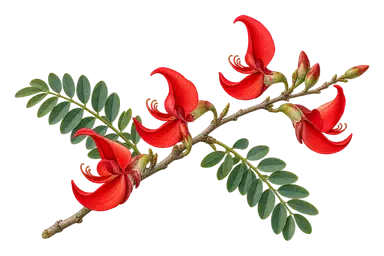
Dominica
Government material associates it with resilience in overcoming obstacles, ingenuity and the nation’s continuity.
In gifts: Light Returns
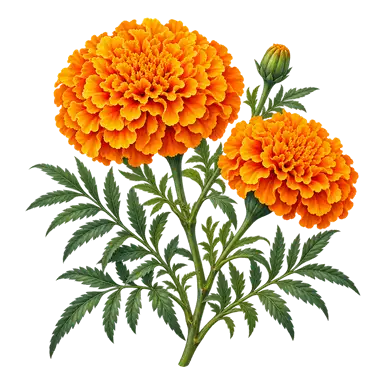
Mexico
Life, death and remembrance in Mexican commemorative celebrations.
In gifts: Held in Light
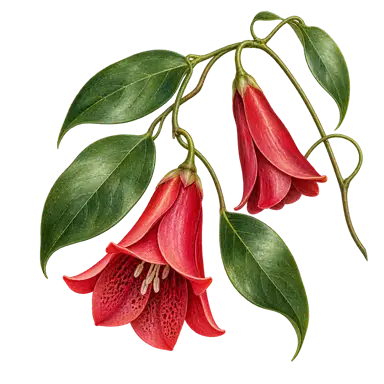
Chile
Government educational material connects it with joy, friendship and gratitude in Mapuche contexts; it is also Chile’s national flower.
In gifts: Side by Side
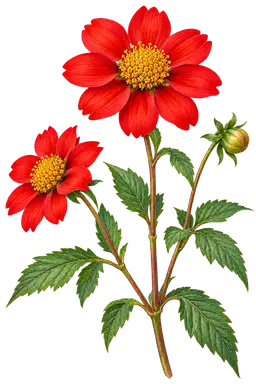
Mexico
Mexican floricultural heritage, diversity and national identity.
In gifts: A Brighter Year
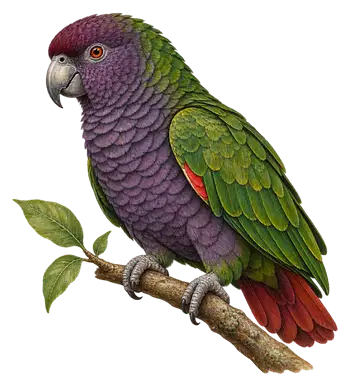
Dominica
The education ministry associates it with soaring higher, realizing ambitions and national identity.
In gifts: Steady Ascent
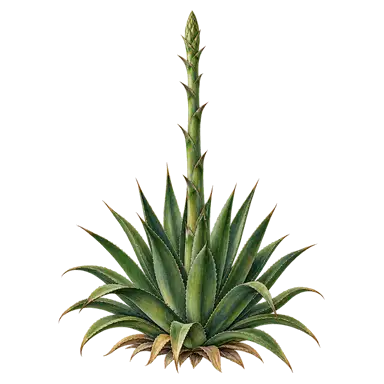
Antigua and Barbuda
An officially listed national plant symbol associated with local landscape and identity; broad meanings of love or luck are unverified.
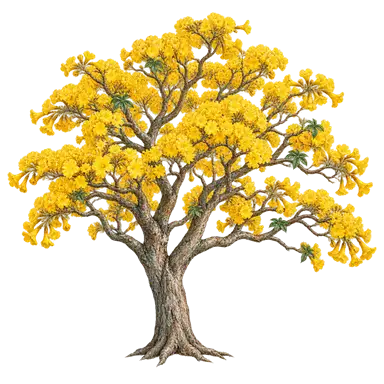
Venezuela
Venezuelan national and natural identity; hope is a contemporary editorial association.
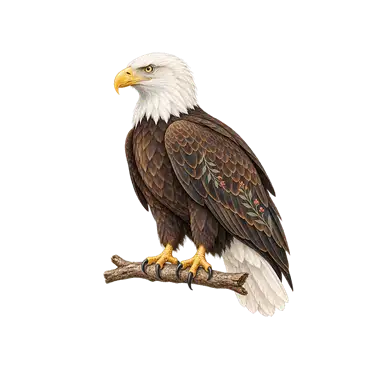
United States of America
United States national identity; its conservation recovery can support a contemporary theme of resilience.
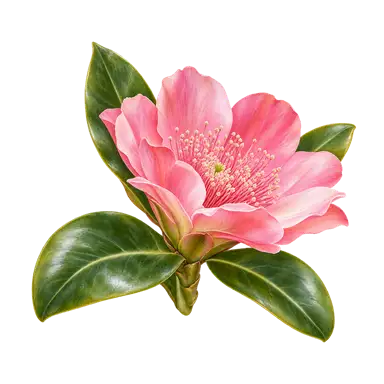
Dominican Republic
National natural identity and local distinctiveness; no traditional romantic meaning is verified.
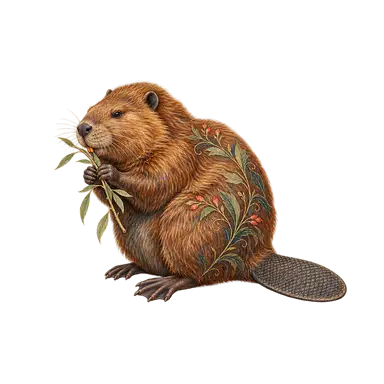
Canada
An official symbol of Canadian sovereignty and historical identity; industriousness is a modern interpretation that should not erase the fur-trade context.
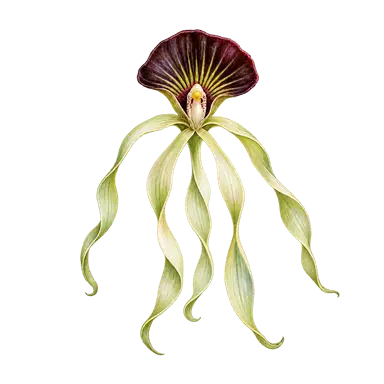
Belize
A national flower listed in the 2025 national-symbols law, expressing natural identity; popular meanings such as mystery or wealth are unverified.
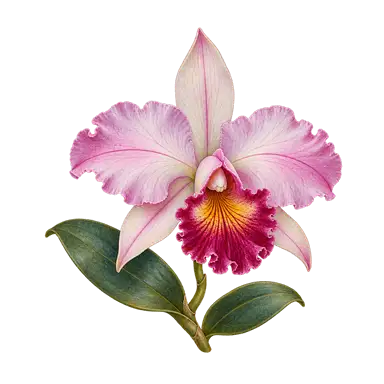
Colombia
A national flower confirmed by the foreign ministry, associated with natural identity; nobility and romance are not verified in the supplied sources.

Cuba
Official tourism material connects the royal palm with Cubans’ unyielding character.
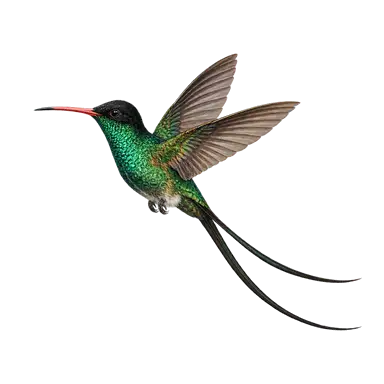
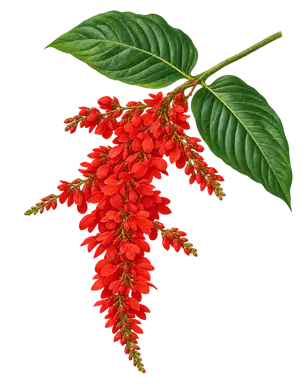
Trinidad and Tobago
Continuity of life and the nation in the foreign ministry's interpretation.
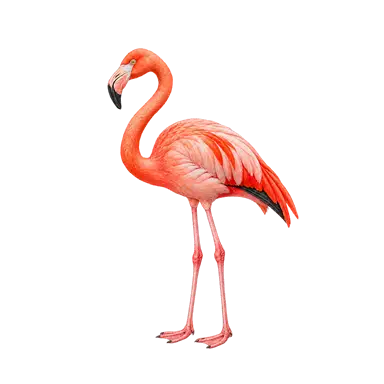
Bahamas
An official Bahamian national symbol associated with Great Inagua’s natural heritage; elegance is not a verified traditional meaning here.

Suriname
Unity, hope and a shared future in a modern Surinamese government interpretation.
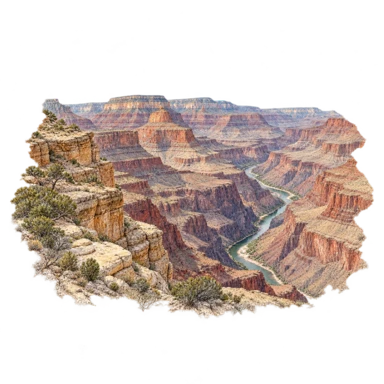
Arizona, United States
Modern editorial interpretation: Give time its place in the shape of your story.
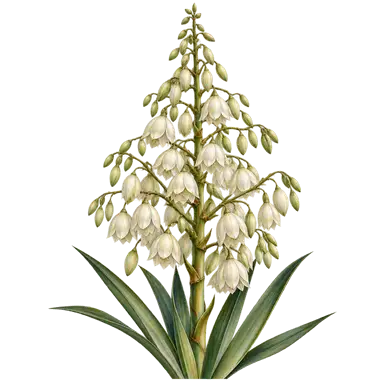
El Salvador
A natural-history museum director connects the plant’s many uses with abundance, plenty and biodiversity.
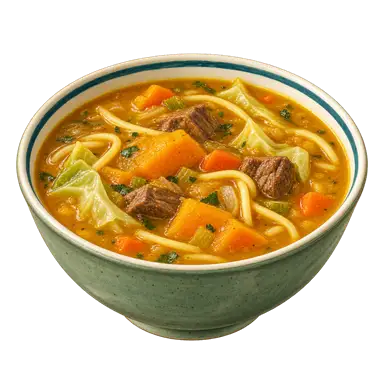
Haiti
Freedom, dignity, resilience and community belonging, as documented by UNESCO.
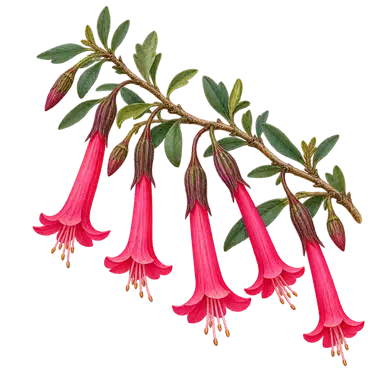
Bolivia
A national symbol; official descriptions emphasize regional unity and intercultural connections when it is intertwined with the patujú flower.
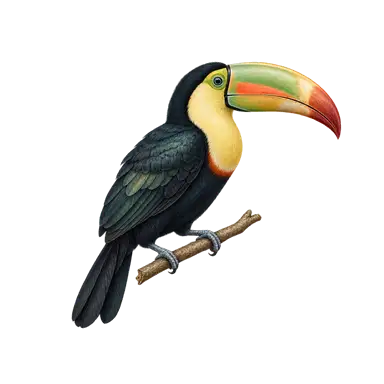
Belize
Belize’s legally designated national bird, associated with national and ecological identity; joy is an editorial emotion mapping.
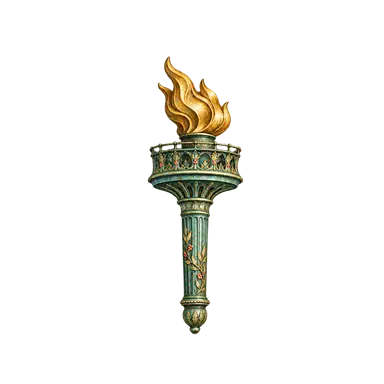
United States of America
Enlightenment and liberty; the statue's broken chains also relate to abolition.
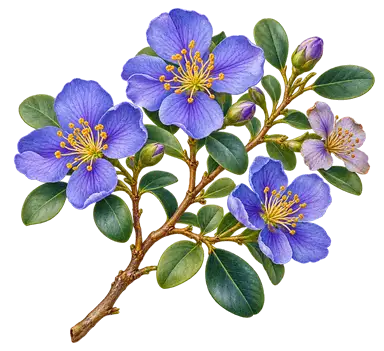

Canada
A public symbol of Canadian identity and belonging, not a shared symbol of all Indigenous peoples.
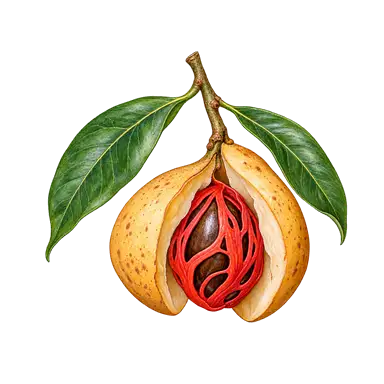
Grenada
Government material connects nutmeg with the island’s reputation for spices and its agricultural economy.
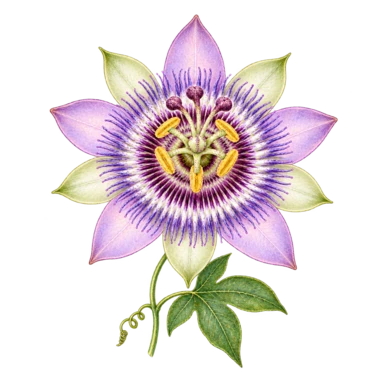
Southeastern and central North America for P. incarnata; broader genus has wider American origins
Plant Humanities Lab documents early-modern European Christian interpretations of passionflower structures as instruments of Christ’s Passion, and explains their colonial context.
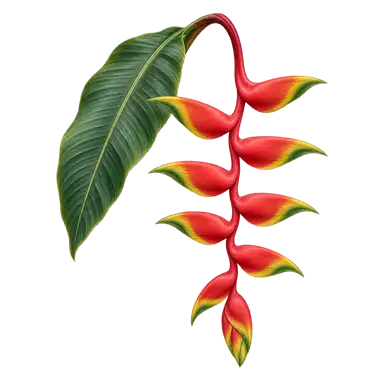
Bolivia
A national symbol that represents regional unity and intercultural relationships when linked with kantuta.
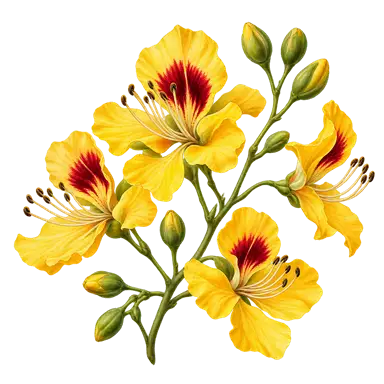
Brazil
Officially described as the national tree and a symbol of Brazilian history and identity; restoration and ecological responsibility are contemporary associations.
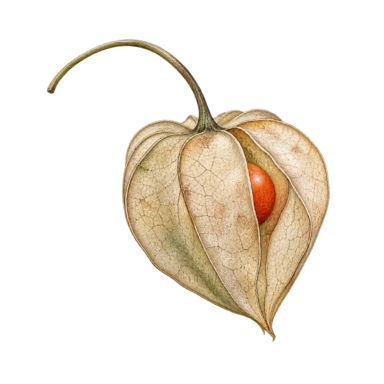
Many species native to the Americas; genus also occurs elsewhere
Modern editorial interpretation: A contemporary image of a light shelter around something held within.
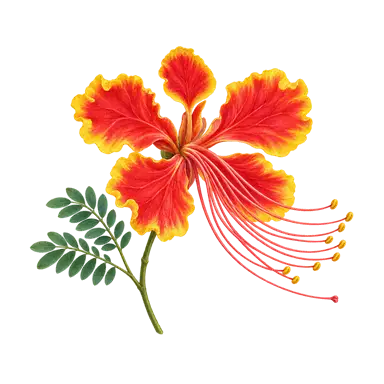
Barbados
An official national flower expressing Barbadian identity; passion is a contemporary interpretation of its colors.
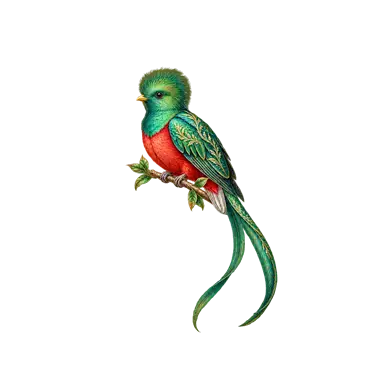
Guatemala
Government news material associates the bird with freedom and beauty; sacred Maya contexts require separate study.
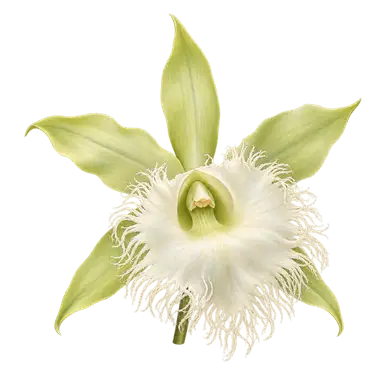
Honduras
National natural identity and the beauty of local plants; further fixed flower meanings are unverified.
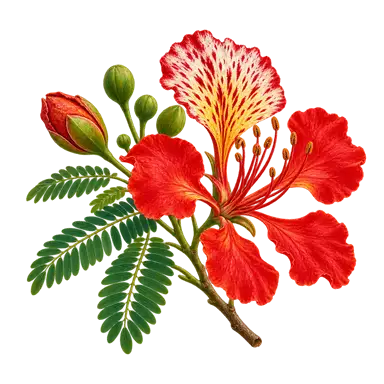
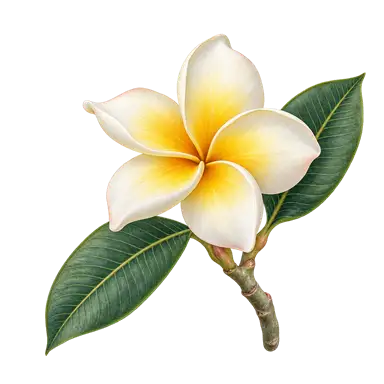
Saint Kitts and Nevis
Home and national identity through Saint Kitts and Nevis’s national flower.
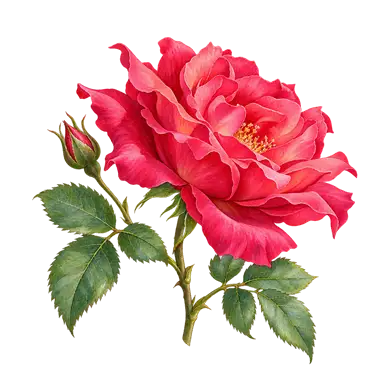
Saint Lucia
La Rose flower-society belonging and festive identity in Saint Lucia.
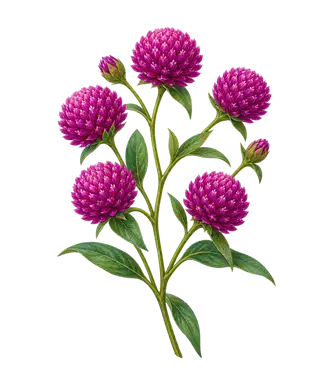
Saint Lucia
La Marguerite flower-society and festival identity in Saint Lucia.
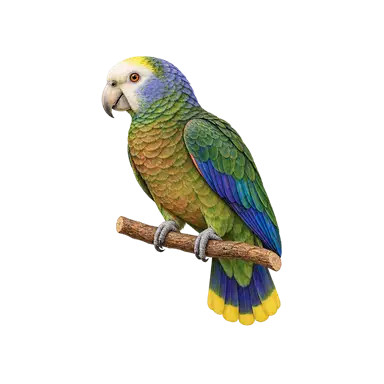
Saint Vincent and the Grenadines
National and natural identity through Saint Vincent and the Grenadines’ national bird.
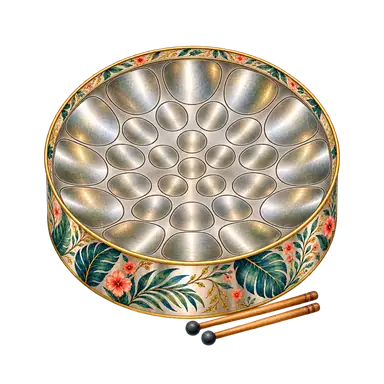
Trinidad and Tobago
A national instrument and local creativity; innovation, ensemble music and unity are contemporary editorial themes.
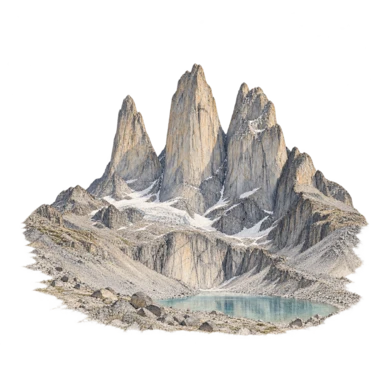
Patagonia, Chile
Modern editorial interpretation: Stand with resolve while leaving room for awe.
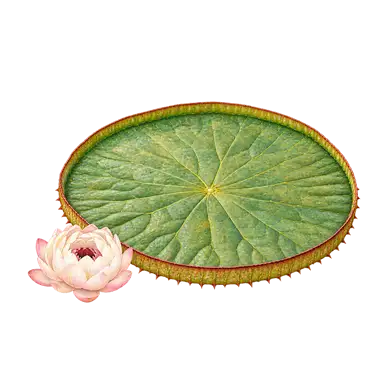
Guyana
Guyana’s national flower, associated with public natural identity; calm and support are contemporary design suggestions.
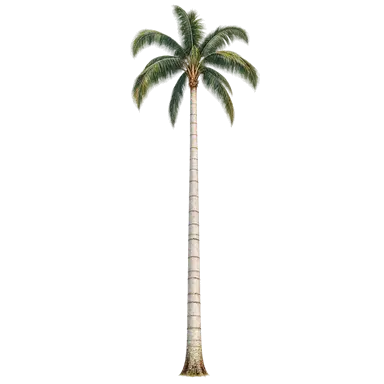
Colombia
A legally designated national tree; foreign-ministry material notes its height, longevity and strength. Resilience is a contemporary emotion mapping.
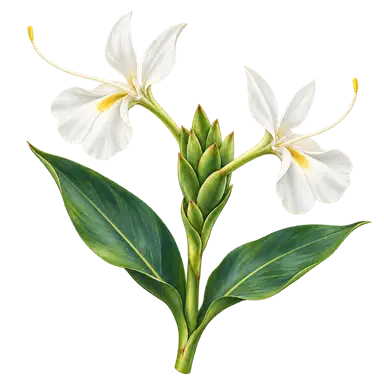
Cuba
Cuban national identity and memories of independence; official tourism material connects it with women carrying liberation messages.
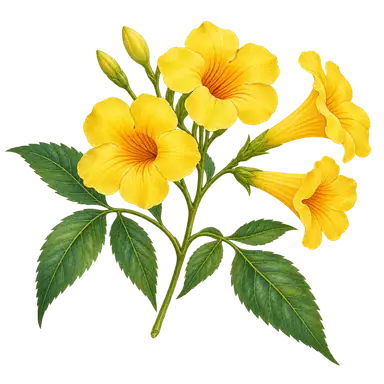
Bahamas
The Bahamas’ national flower, associated with national and environmental identity; brightness and cheer are editorial design associations.
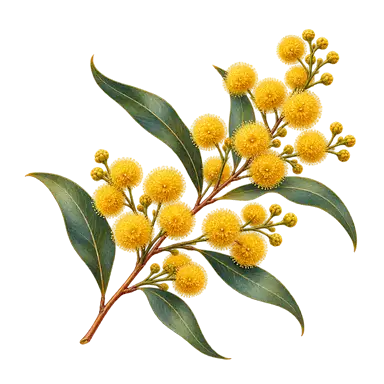
Australia
Government sources associate golden wattle with unity and resilience through adversity, as well as remembrance and reflection.
In gifts: Quiet Courage
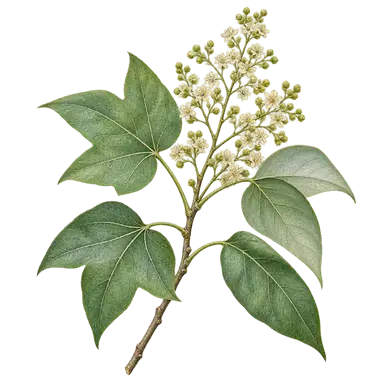
Hawaiʻi
Light and enlightenment, supported by the Pukui–Elbert Hawaiian dictionary.
In gifts: First Light
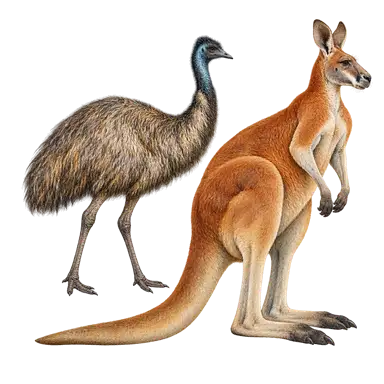
Australia
Familiar Australian wildlife symbols; “moving forward” is a common interpretation noted by government, not a proven reason for their selection.
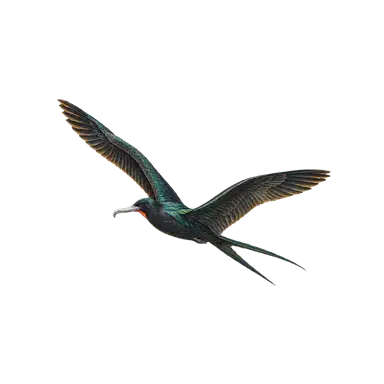
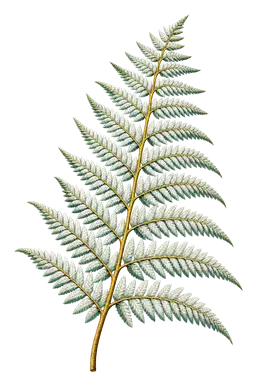
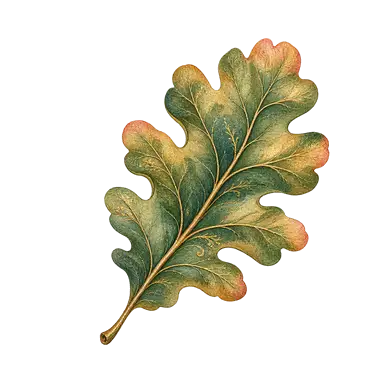
Cross-cultural
Natural and historical oak imagery; endurance and resilience are editorial extensions.
In gifts: Quiet Courage, Harvest Table
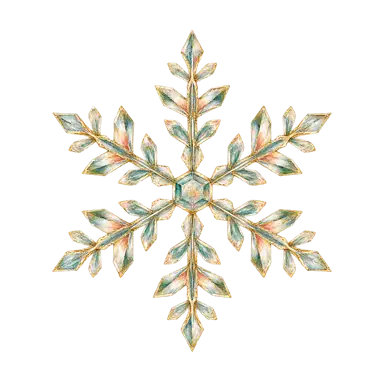
Cross-cultural
Ice-crystal growth; small differences and uniqueness are editorial metaphors.
In gifts: Little Dawn, Winter Lights
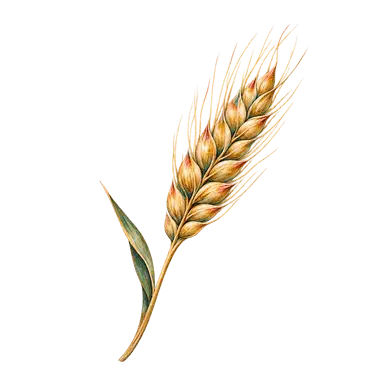
Cross-cultural
Food and agriculture; abundance, effort and harvest are editorial extensions.
In gifts: Golden Harvest, Harvest Table
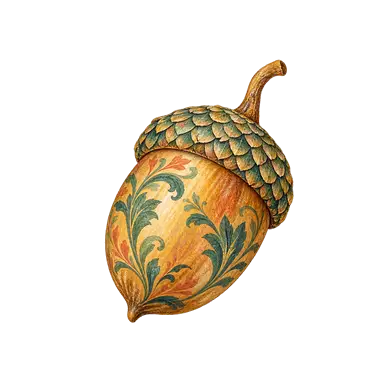
Cross-cultural
An oak’s fruit; potential and small beginnings are editorial metaphors.
In gifts: Little Dawn

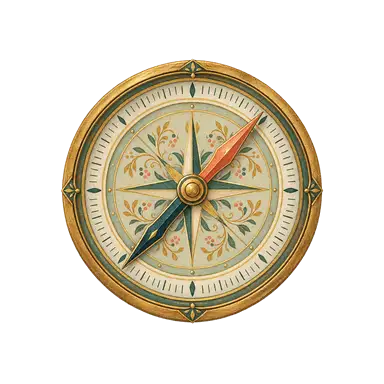
Cross-cultural
A tool for finding direction; autonomy and exploration are editorial metaphors.
In gifts: Beyond the Horizon

Cross-cultural
Lunar phases and cycles; rest, change and rhythm are editorial metaphors.
In gifts: Moonlit Pause
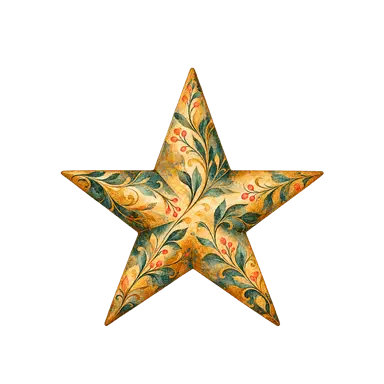
Cross-cultural
A geometric star; direction, wishes and moments of brilliance are editorial metaphors.
In gifts: Open Skies
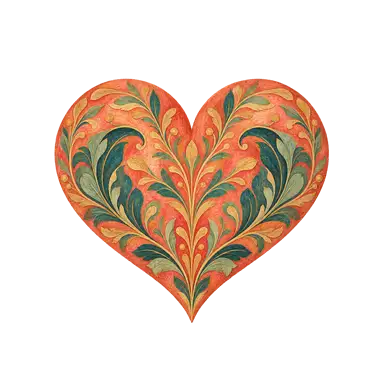
Cross-cultural
Love and care, including affection for partners, family and friends.
In gifts: Two in Bloom

Cross-cultural
Opening and access; opportunity and choice are editorial metaphors, with specific historical examples as love tokens.
In gifts: Open Skies

Cross-cultural
Victory and honor; self-recognition is an editorial extension.
In gifts: Steady Ascent
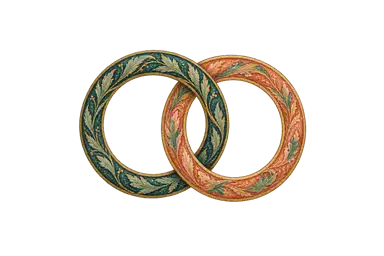
Cross-cultural
Historically, marital connection; partnership is a contemporary extension.
In gifts: Two in Bloom
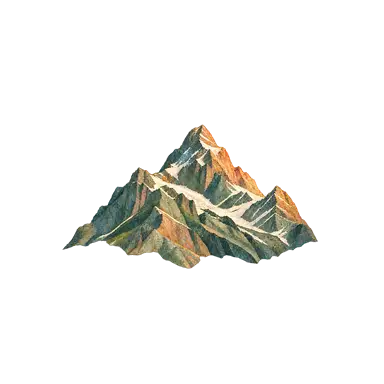
Cross-cultural
Landforms and geological processes; resilience, goals and journeys are editorial metaphors.
In gifts: Steady Ascent
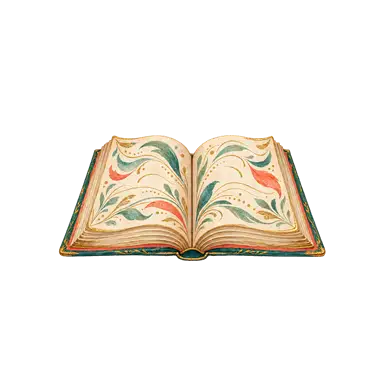
Cross-cultural
Books and recorded knowledge; curiosity, learning and rewriting one’s life are editorial metaphors.
In gifts: Beyond the Horizon
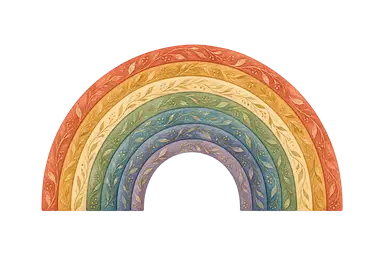
Cross-cultural
A light spectrum; diversity and hope are editorial metaphors.
In gifts: Light Returns
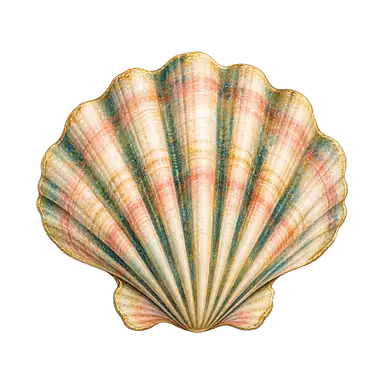
Cross-cultural
A natural shell, associated with pilgrimage in a specific tradition; a personal journey is an editorial extension.
In gifts: Homeward Tide
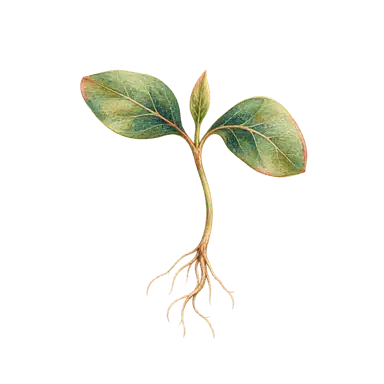
Cross-cultural
Germination and growth; new beginnings and patience are editorial metaphors.
In gifts: Little Dawn

Cross-cultural
Light and heat; warmth, vitality and hope are editorial metaphors.
In gifts: Growing Light
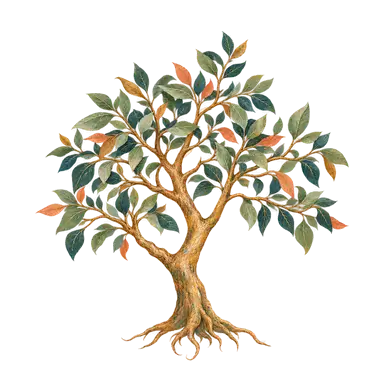
Cross-cultural
Plant growth and ecological relationships; roots, connections and long-term growth are editorial suggestions.
In gifts: Gathered Branches
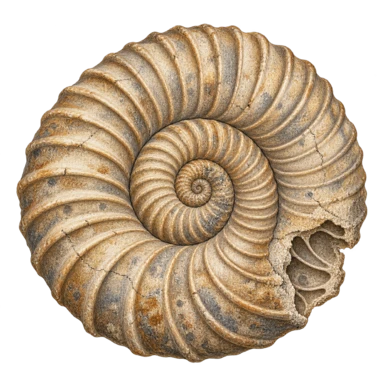
Fossils found worldwide
An editorial carrier for deep time and the traces a life leaves behind.
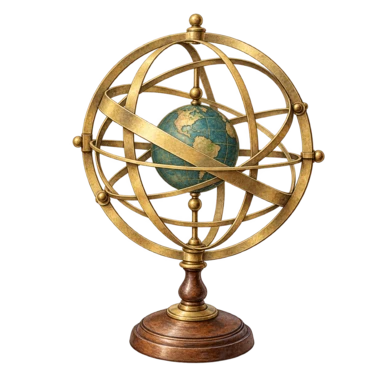
Historical astronomy
Modern editorial interpretation: There is always another way to see the whole.
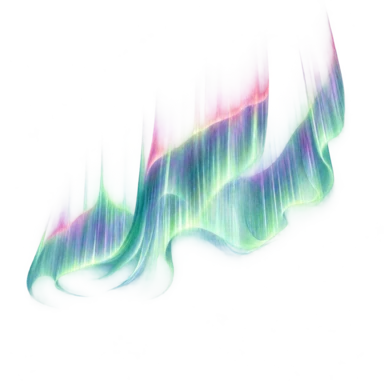
Earth; principally high-latitude skies in both hemispheres
An editorial image of energy becoming visible: a quiet sky finding its voice.
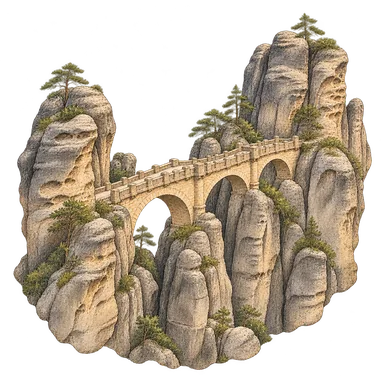
Saxon Switzerland, Germany
Modern editorial interpretation: Connection, perspective and the next step.
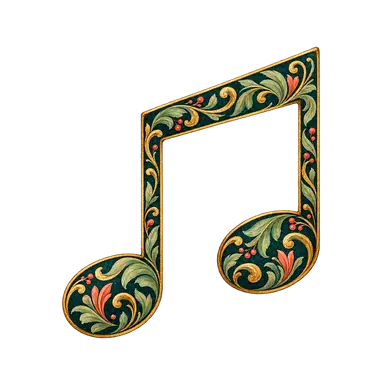
Cross-cultural
Written music; rhythm, creativity and expression are editorial extensions.
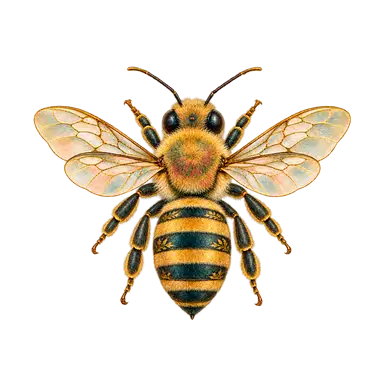
Cross-cultural
Interdependence between pollinators and people; cooperation and contribution are editorial metaphors.
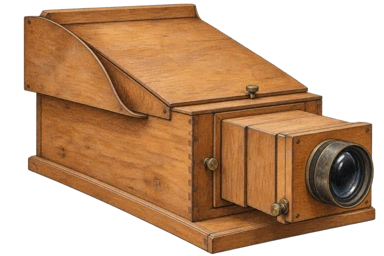
European optical-instrument history; Science Museum collection example
The documented function connects optical observation with drawing by hand. The chosen exterior keeps the internal mirror and top screen concealed, so their historical role is explained in words rather than reconstructed in the image.
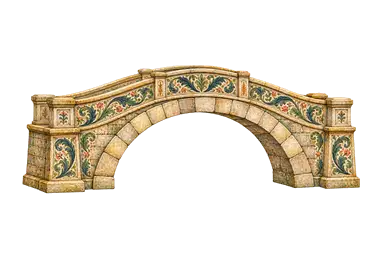
Cross-cultural
Crossing and connection; reconciliation is documented in a particular reconstruction project.
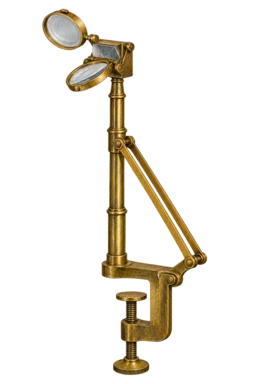
London, England; nineteenth-century optical drawing instrument
National Trust records the selected brass-and-glass example as NT 1525276, made in London during 1830–1850. The instrument connects close observation with drawing. Oxford’s circa-1820 camera lucida explains the optical principle; the Science Museum’s later cased example is a separate object with its own provenance.

British meteorological-instrument history / wider weather observation
Its documented association is the material history of weather observation and the limits of measurement.
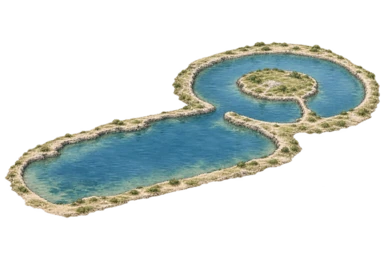
Carthage, Gulf of Tunis, Tunisia
The basins' conventional military and commercial labels do not settle every ancient function. Their access channels also changed over time. The image isolates a documented land-and-water relationship without claiming the current sea outlet, a surveyed plan or an exact ancient reconstruction.
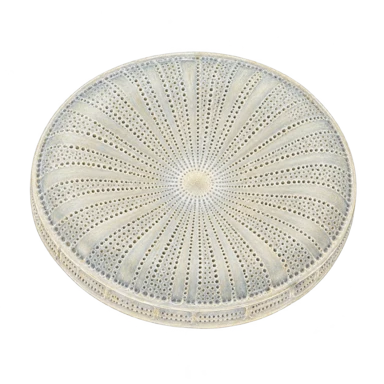
Marine and freshwater environments
Modern editorial interpretation: A modern appreciation of elaborate structure at a nearly invisible scale.
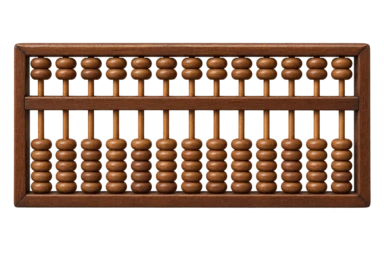
China; Zhusuan knowledge and practice
The museum image verifies a thirteen-rod 2:5 frame; Smithsonian’s official indexed account explains the familiar upper-five/lower-one bead values. No displayed arrangement is presented as a solved equation, and neither the accession number nor a broad statement about base 16 is turned into a universal invention or arithmetic claim.
Cross-cultural
A closed geometric form equidistant from a center; wholeness, boundaries and connection are editorial metaphors.
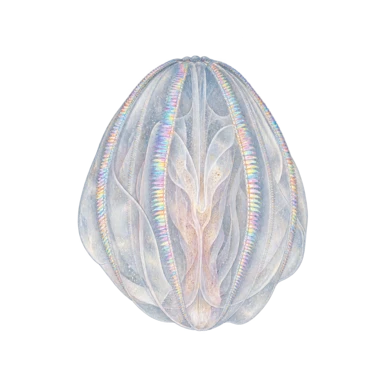
Oceans worldwide; varies by species
Modern editorial interpretation: An editorial image of many tiny movements creating a graceful whole.

Surface marine waters where bioluminescent dinoflagellates occur
Modern editorial interpretation: A modern image of small presences making a shared brightness.
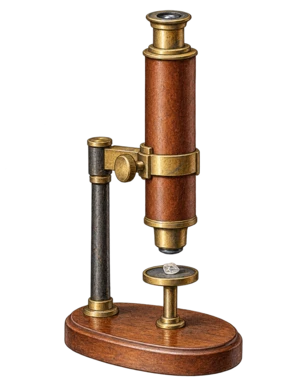
Early instrument-making; London historical context
The source record concerns a Hooke-designed museum instrument tentatively attributed to Christopher Cock. Its objective is a later replacement. This new plain form is a generic structural study, so it neither bears the maker’s name as provenance nor claims to show the instrument used for a specific discovery.
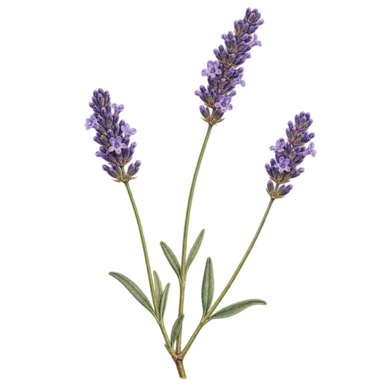
Native to parts of France, Italy and Spain; cultivated widely
Kew discusses lavender’s twentieth-century LGBTQIA+ associations and the color’s use for empowerment, remembrance and resistance. This optional historical context does not imply one meaning for every lavender flower or wearer.
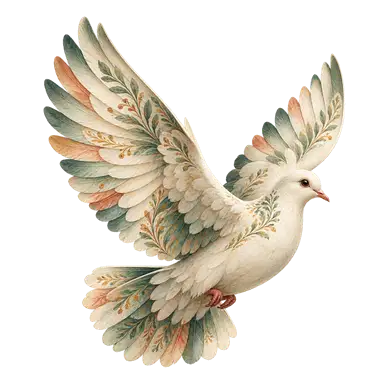
Cross-cultural
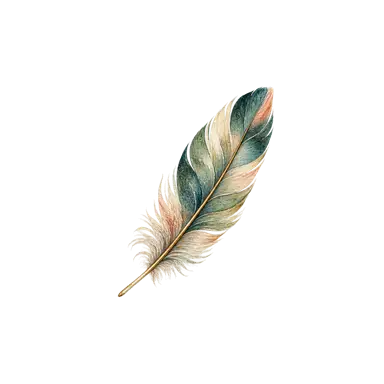
Feathers support flight, insulation and display; lightness and freedom are editorial metaphors.
Many terrestrial habitats; species-dependent
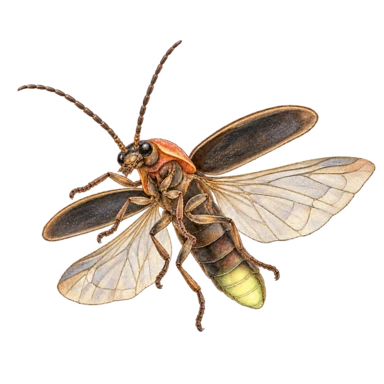
Modern editorial interpretation: A contemporary image of a small signal reaching another presence.

Galápagos Islands, Ecuador
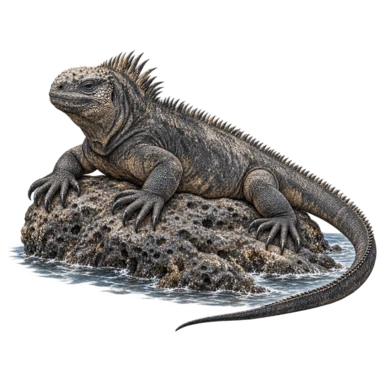
The selected sources support a natural animal and habitat study, without attributing a cultural belief or human personality to the iguana. Galápagos includes resident communities and active conservation; the image makes no untouched-wilderness, animal-handling or conservation-success claim.
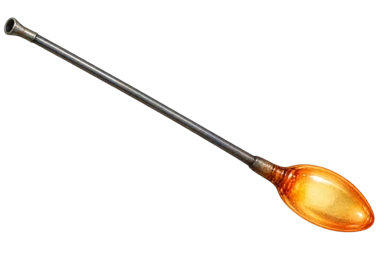
Glass-forming craft; geographically widespread tool
Corning’s technical definitions support the hollow pipe, mouthpiece, retaining hot end and inflation process. Museum of Glass photographs show a metal working support contacting advanced hot glass; they do not distinguish a hollow blowpipe from a punty. The artwork selects an unpatterned early forming moment and makes no regional exclusivity or handmade-object claim.
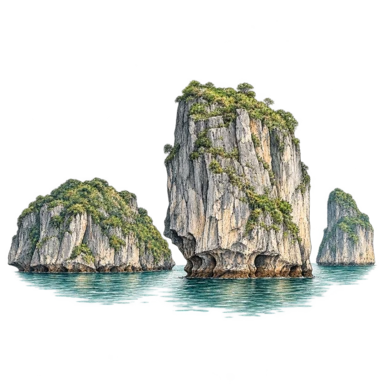
Northeastern Vietnam
The heritage authority documents both the geological process and archaeological evidence associated with Soi Nhu, Cai Beo and Ha Long cultures. Those histories remain context: no artefacts, cave art or community motifs are reproduced, and the bay is not described as culturally empty or uniformly pristine.
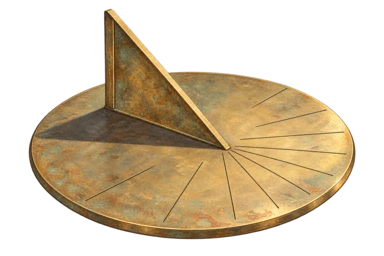
Solar timekeeping; German museum example and scientific explanation
The Science Museum's decorated German example and Museo Galileo's 2007 monument provide different historical and explanatory contexts. Neither supplies this plain design. The British Sundial Society explains the gnomon and sloping style; the image preserves that relationship while its sparse marks remain deliberately uncalibrated.
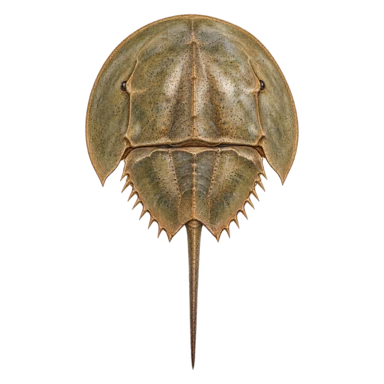
Atlantic coasts and Asian coastal habitats; species-dependent
Modern editorial interpretation: A modern image of durability that still deserves care.
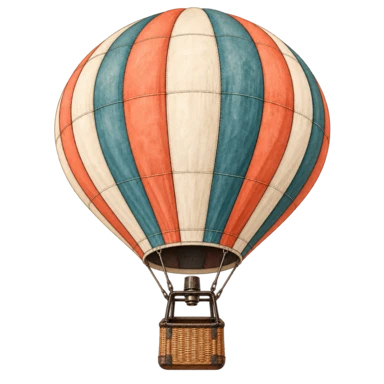
French flight history; international ballooning
The historical association is experimentation with human flight. Gas-balloon Channel crossings, aerial photography and round-the-world feats are not assigned to this hot-air design. The modern type is named honestly; no festival, balloon brand or national symbolism is implied.
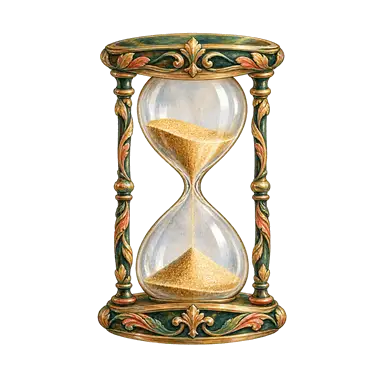
Cross-cultural
Measuring time; focus and appreciation of the present are editorial metaphors.
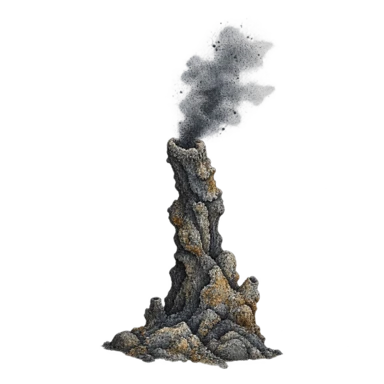
Seafloor hydrothermal settings
Modern editorial interpretation: A modern image of structure forming at a meeting of very different conditions.

Cross-cultural
Mathematical infinity; lasting connection and open possibility are contemporary editorial interpretations.
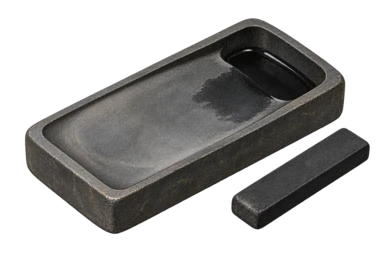
Chinese and Japanese museum contexts, kept distinct
Chinese desk arrangements and Japanese writing boxes provide related but distinct settings for these tools. The study does not imply one identical writing set across East Asia. Imperial decoration, literary portraits, named symbolic forms and inkstone-washing rituals are outside its image and editorial meaning.
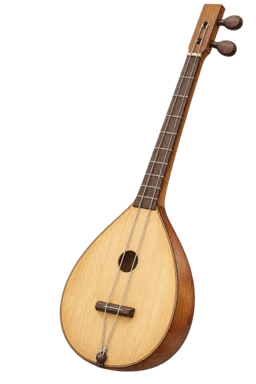
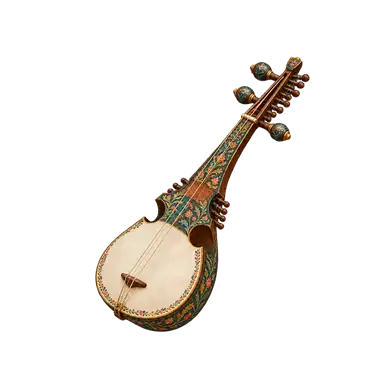
Kazakhstan; Dombra Kuy context
The living tradition includes performers, repertoire, stories and transmission. A plain instrument silhouette represents only the chosen equipment component. Exactly two strings and two pegs are selected; this does not deny historical or regional variants. Bridge-to-bottom-pin construction is supported by a supplementary owner-collection description, not asserted as universal.
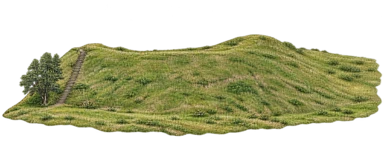
Kernavė Archaeological Site, Pajauta Valley beside the Neris, Lithuania
One named earthwork within a wider archaeological and living heritage landscape, interpreted through archaeological evidence and ongoing care, not through invented pagan or national-origin symbolism.
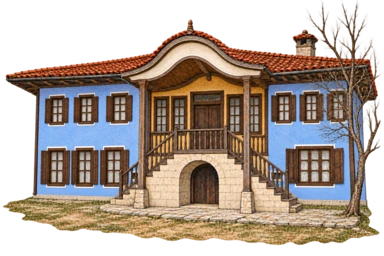
Koprivshtitsa, Bulgaria
The house-museum setting connects domestic architecture with the material life and trade-related prosperity of nineteenth-century households. This is a bounded context for Lyutov House, not a universal meaning of Bulgarian homes or a claim about the wearer.
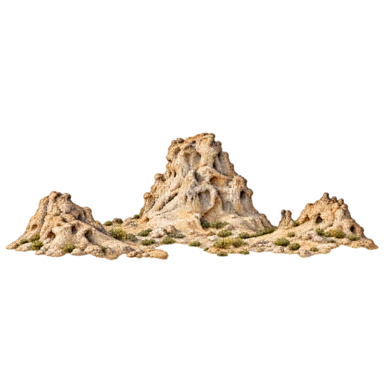
Eastern Lake Abbé margin, Djibouti
Djibouti submitted the wider cultural and natural landscape to the UNESCO Tentative List in 2015. Tentative listing does not mean World Heritage inscription or permission to use imagery. Nearby archaeological and burial sites and local pastoral life are separate contexts, not decorative elements supplied by this motif.
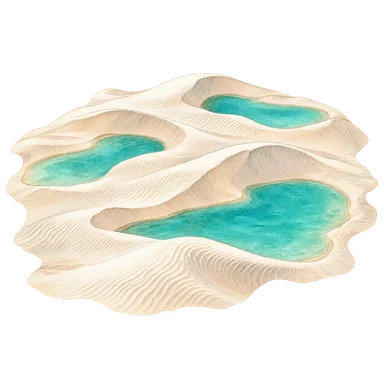
Maranhão, Brazil
Modern editorial interpretation: Renewal, breathing room and unexpected possibility.
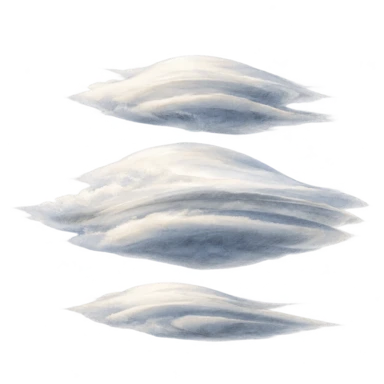
Often near or downwind of mountainous terrain
Modern editorial interpretation: An editorial reading of apparent stillness within continuing movement.
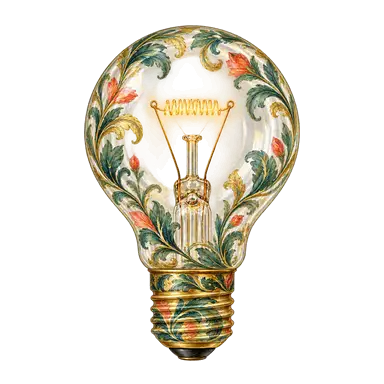
Cross-cultural
Artificial lighting; inspiration, experimentation and creativity are editorial metaphors.
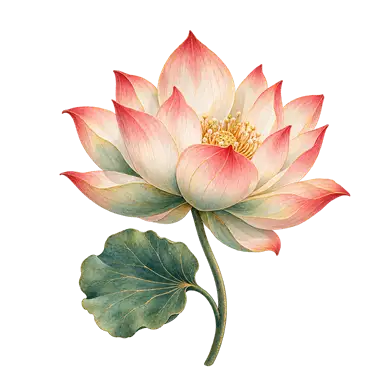
Cross-cultural
Auspiciousness, purity and enlightenment in Buddhist art; it is not simply religion-neutral.
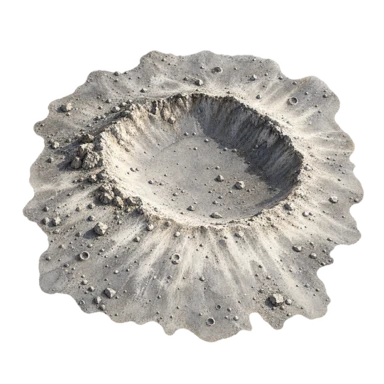
Moon
Modern editorial interpretation: A modern image of an event leaving traces beyond its center.
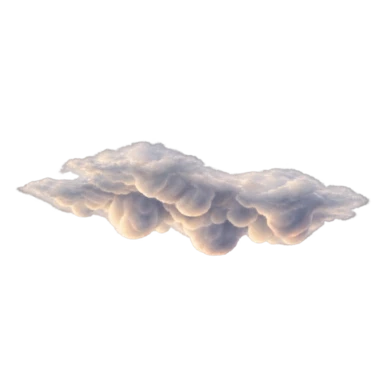
Atmospheric cloud formations in varied regions
Modern editorial interpretation: A contemporary image of looking again at a familiar sky.
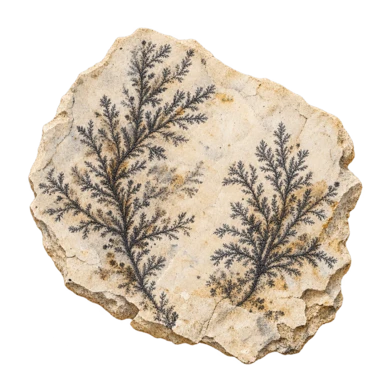
Rock surfaces and fractures
Modern editorial interpretation: An editorial prompt to enjoy resemblance while remaining curious about what something actually is.

Apparent meteor paths in Earth's sky; no named event depicted
Modern editorial interpretation: A modern expression of noticing brief moments rather than possessing them.
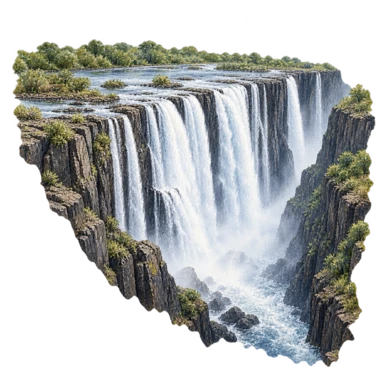
Zambezi River, Zambia and Zimbabwe
Both countries and both established names are retained. Joint conservation is documented by the two national authorities. This study is limited to geography and natural form; it does not depict or interpret ritual practice or sacred places.
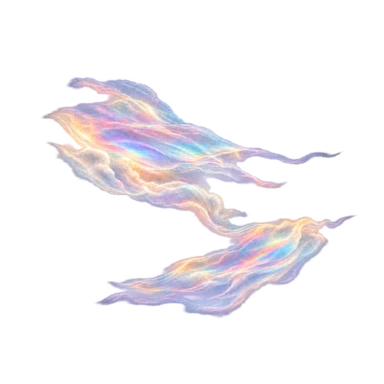
Predominantly high-latitude winter stratosphere in polar regions
Modern editorial interpretation: An editorial expression of a fleeting beauty revealed by an unusual angle of light.

Manchester instrument-making context, 1855–1865
Science Museum Group Y1997.6.6 is attributed to John Benjamin Dancer in Manchester, 1855–1865, with a gift credit to the Manchester Literary & Philosophical Society. A separate 1883 Dumoulin-Froment apparatus in the collection demonstrated Earth’s rotation; this study does not reconstruct that experiment.
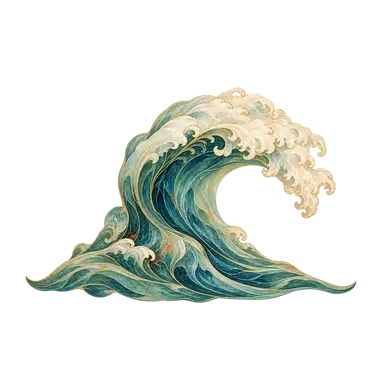
Cross-cultural
Energy moving through water; flow, adaptation and rhythm are editorial metaphors.
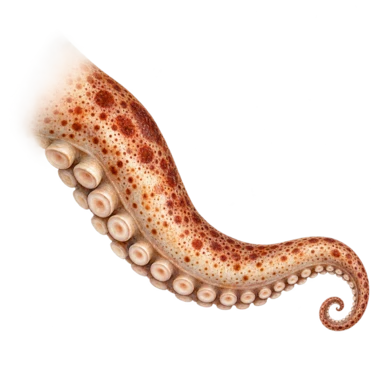
Generalized marine octopus anatomy; species unassigned
Modern editorial interpretation: A modern motif for changing expression without assigning deception or personality to an animal.
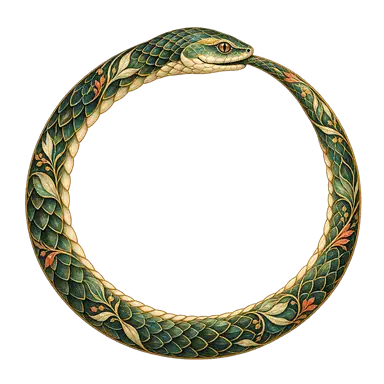
Cross-cultural
A snake holding its tail in a ring; cycles and fresh starts are editorial interpretations.
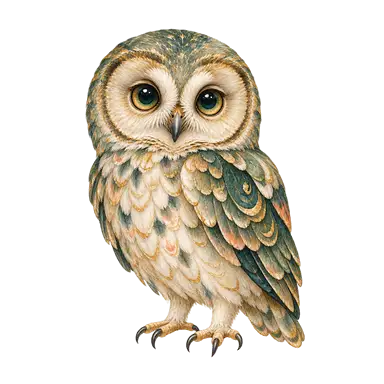
Cross-cultural
Wisdom in imagery associated with Athena; observation and learning are editorial extensions.
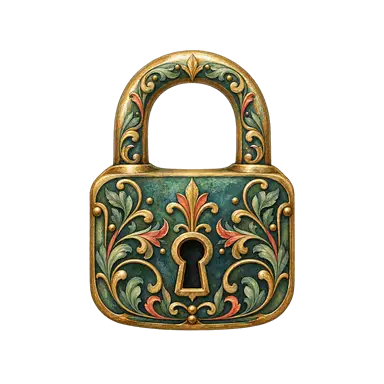
Cross-cultural
Protection and controlled access; boundaries and security are editorial metaphors.
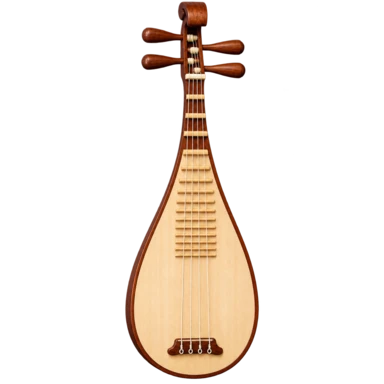
China; histories of musical exchange
The sources describe cultural exchange and changing practice, rather than one exclusive origin or an unchanged form. The Met’s Ming specimen carries Daoist, Confucian and Buddhist plaques and other motifs; these, its finial, inscriptions and all maker ornament are excluded. No repertoire, recording or performer likeness is reproduced.
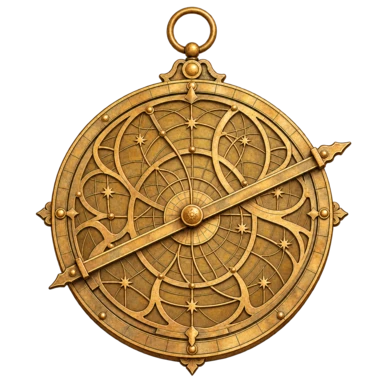
Astronomy across cultures
Modern editorial interpretation: Keep looking; your bearings can become clearer.
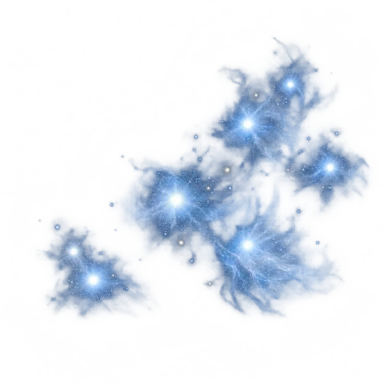
The Pleiades open cluster, Messier 45
Modern editorial interpretation: A contemporary reading of light shared with the space around us.

France; nineteenth-century optical-toy history
Twelve picture positions are a selected historical configuration, with one corresponding mirror for each position. This static drawing uses a new abstract sequence and does not reproduce a particular maker's toy or establish a tested working animation.
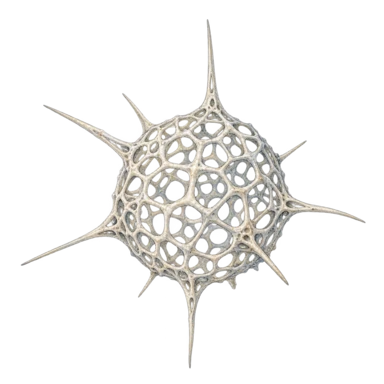
Marine waters
Modern editorial interpretation: A contemporary image of delicate structure creating a small interior world.
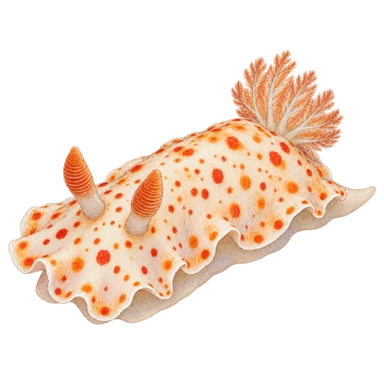
Inspired by red-spotted dorids discussed from southeastern Australia; related nudibranchs occur elsewhere
Modern editorial interpretation: A modern image of visible difference functioning as a boundary.
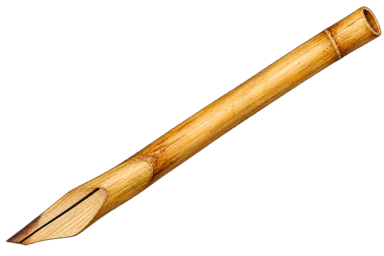
Reed writing-tool histories; Islamic-world calligraphy context is one documented setting
The Islamic-world calligraphy context describes skilled preparation of a writing tool, while the University of New England museum explains the slit in a prepared reed nib. These distinct sources inform the plain tool; no script, religious authority or named master’s work is transferred to the motif.

Saturn
Modern editorial interpretation: A modern image of many small parts held in a larger arrangement.
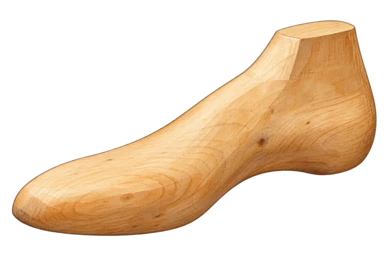
Shoemaking; V&A British bespoke-workshop context
The V&A account identifies Emiko Matsuda and Foster & Son as the workshop context. Their client forms and methods are attributed evidence, not the identity of this new object. This unmarked solid wooden type represents a forming tool without claiming a particular maker, shoe model, period or wearer's anatomy.
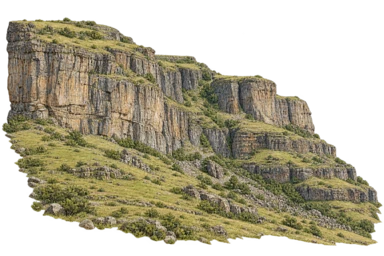
Eastern Africa / Ethiopia
The documented connection is between varied highland terrain, habitat and community-linked conservation.
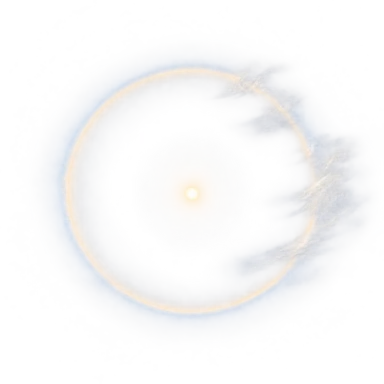
Atmospheric ice-crystal optics around the Sun
Modern editorial interpretation: A contemporary image of a familiar light seen through a new medium.

Cross-cultural
Visual rotation and unfolding; growth, reflection and gradual progress are editorial suggestions.

Generic galactic setting; no named galaxy identified
Modern editorial interpretation: A modern image of belonging within something far larger than one viewpoint.
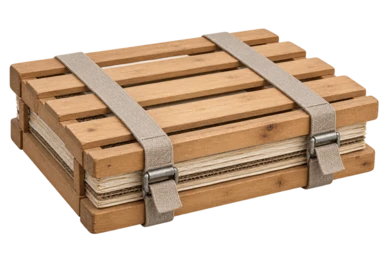
Cross-regional functional object; selected reference provenance is stated separately
A specimen label retains collection context even when the press is closed. No specimen or label is shown here, and actual plant collecting can require permits and landowner permission. The study connects recording with preservation without claiming a validated device.
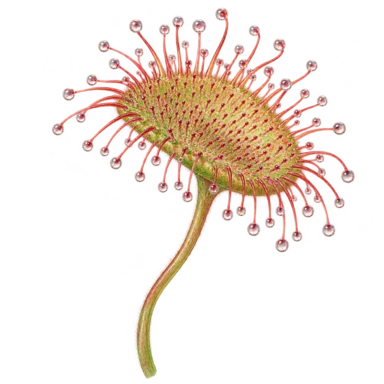
Wet nutrient-poor habitats in many regions
A modern image of delicacy and resourcefulness existing together.
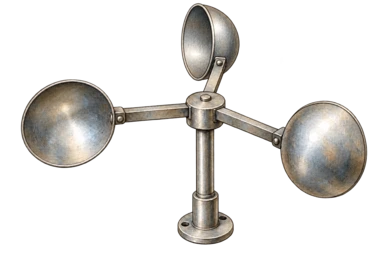
International meteorological instrument history
The Science Museum Group records a British-made three-cup instrument with Canadian design context. That specific history supports the selected form without making the new illustration a labelled reproduction; the Met Office distinguishes cup-based speed measurement from a separate direction vane.
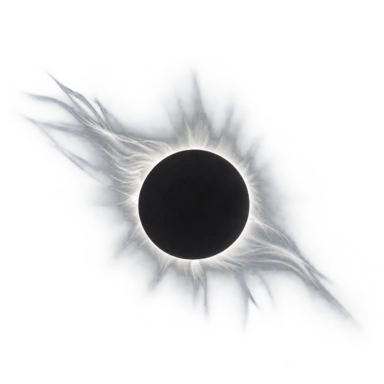
Sun–Moon alignment as seen from Earth
Modern editorial interpretation: An editorial image of what becomes visible when a familiar brightness briefly recedes.
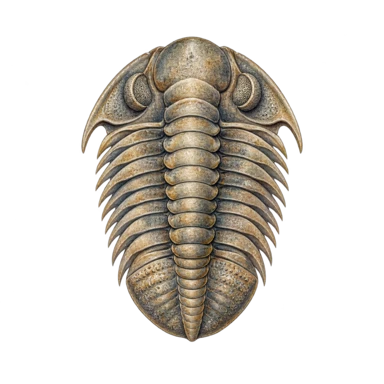
Ancient marine sediments worldwide
Modern editorial interpretation: A modern reading of ancient life’s intricacy rather than a generic emblem of toughness.
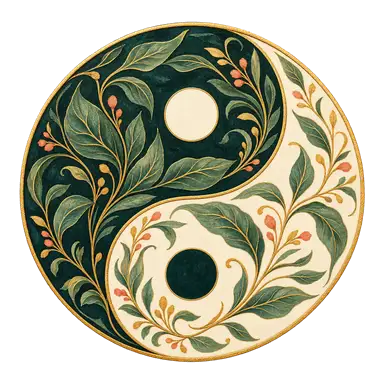
Ready-made designs composed from the symbols above, each with a free card explaining what they mean.

Peace & safe keeping
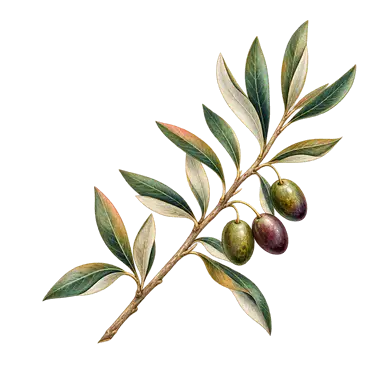
Olive branch · Anchor · Pingxi sky-lantern motif
A wish for steady days and a place to feel at ease.

Wellbeing & vitality
Five bats and longevity motif · Sun
A wish for good days, renewed energy, and room to grow.

Love & partnership
Mandarin ducks & lotus · Linked rings · Heart
A wish to keep choosing, growing, and making a life together.

Lasting friendship
Copihue flower · Krama checked weave · Nēnē
A wish for friendship that stays close through changing seasons.

Family & belonging
Tree · Qvevri vessel silhouette · Blown-glass-bead ornament
A wish for a family, however it is formed, to feel connected and welcome.

Gratitude & appreciation
Bojagi wrapping cloth · Agaseke basket
A small thank-you for care, generosity, or a thoughtful gesture.

Birthday joy
Peaches and bats blessings · Dahlia
A wish for a year of small joys, bright moments, and things to look forward to.

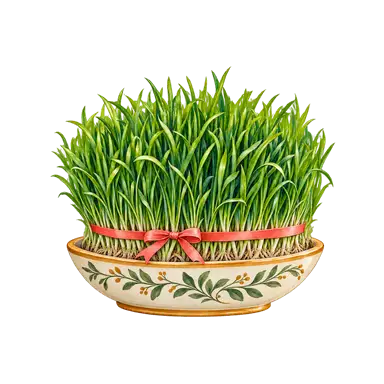
New beginnings
Sabzeh sprouts on Haftseen · Kukui
A wish for a fresh chapter with space, possibility, and hope.
More guides: Love & partnership · Family, home & belonging · New beginnings & hope · Luck, joy & celebration · Peace, calm & comfort · Strength & courage · Care, gratitude & remembrance · Friendship & connection · Nature & the living world
Meanings are interpretive and vary by community and context. We show the documented meaning and its source — never a promise of any outcome.