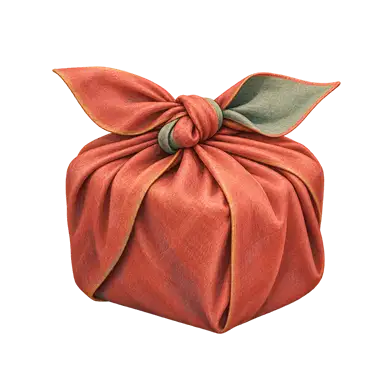
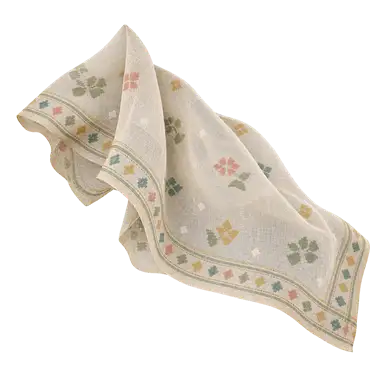
Bojagi wrapping cloth
South Korea
Carefully wrapped blessings and thoughtful care.
In gifts: Small Graces
🎁 Order by Nov 24 for estimated delivery before Dec 24 · free US shipping on every order
🎁 Order by Jan 8 for estimated delivery before Lunar New Year (Feb 6) · free US shipping on every order

SYMBOL GUIDE
136 symbols that people in different cultures use to express strength & courage: where each comes from, what it is documented to mean, and a source you can check.
Jump to: East Asia (6) · South & Southeast Asia (2) · Middle East & Central Asia (6) · Africa (10) · Europe (23) · The Americas & Caribbean (31) · Oceania & the Pacific (5) · Shared across cultures & nature (53)
South Korea
Carefully wrapped blessings and thoughtful care.
In gifts: Small Graces
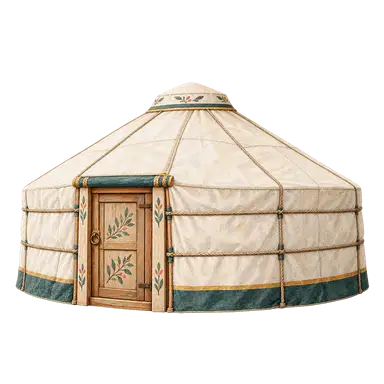
Mongolia
A home adapted to its environment and continuity of daily life.
In gifts: Rooted Here
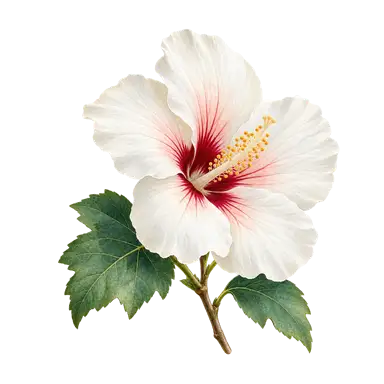
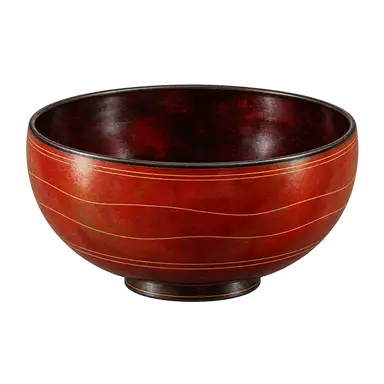
South Korea
Continuity and perseverance through hardship.
In gifts: Quiet Courage
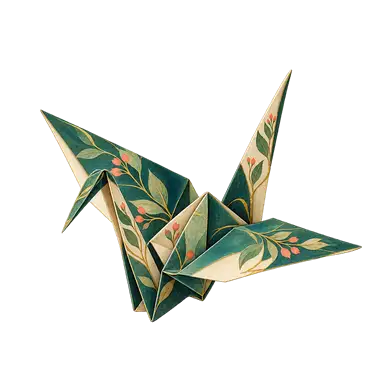
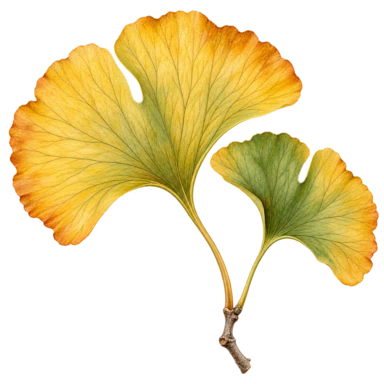
Native to China; cultivated in many regions
A modern interpretation of steadiness through change, carried by a divided fan that remains one leaf.
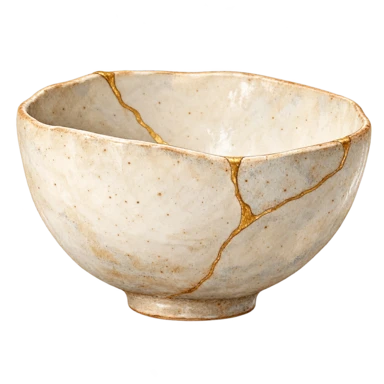
Japan · ceramic repair
Modern editorial interpretation: What you care for can continue in a changed form.
Bangladesh
Dignity, cultural identity and accomplished craftsmanship.
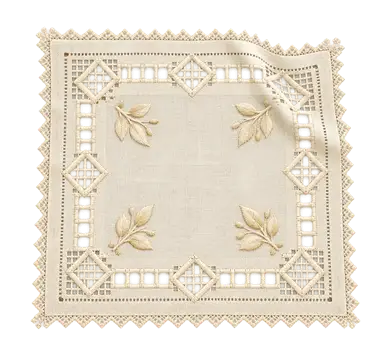
Cyprus
Careful craftsmanship, local identity and continuity.
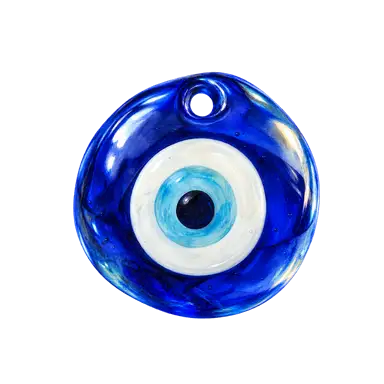
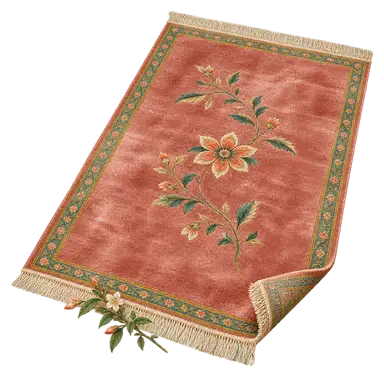
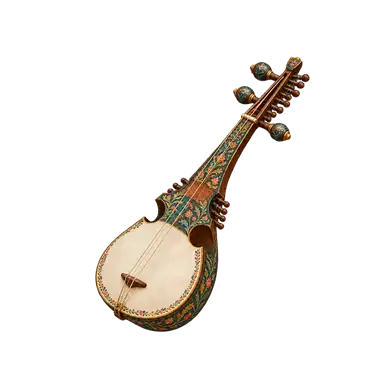
Iran
Accomplished craftsmanship, family continuity and cultural memory.
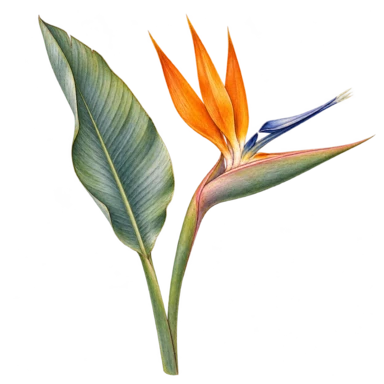
South Africa; cultivated internationally
Modern editorial interpretation: A modern image of making an unexpected shape feel entirely natural.
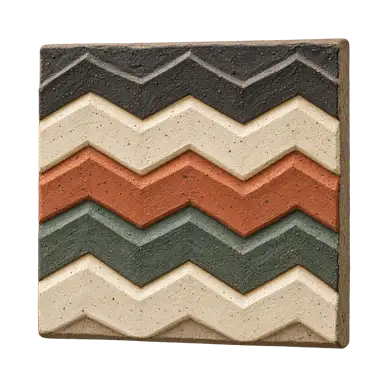
Rwanda
A locally rooted geometric art and a form of contemporary identity expression.
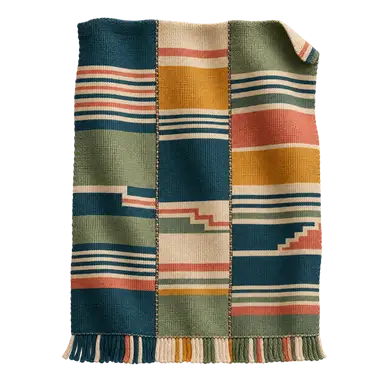
Ghana
A medium of communication and identity, with works named for proverbs and social situations; age, gender and status influence pattern choices.
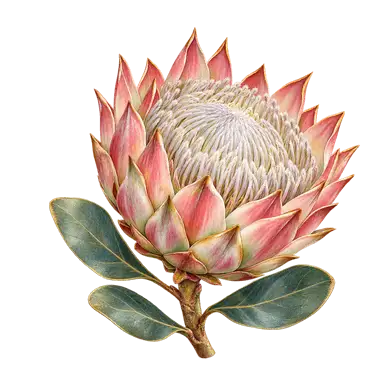
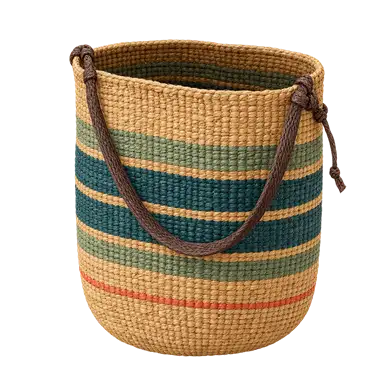
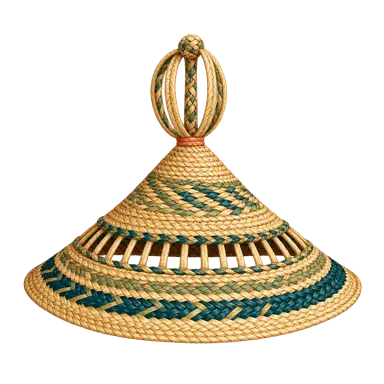
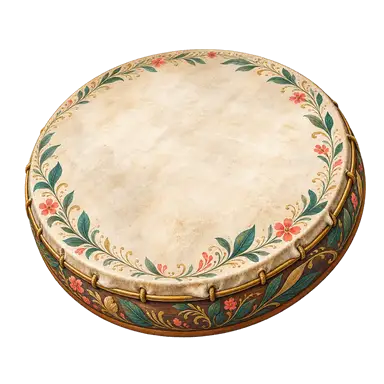
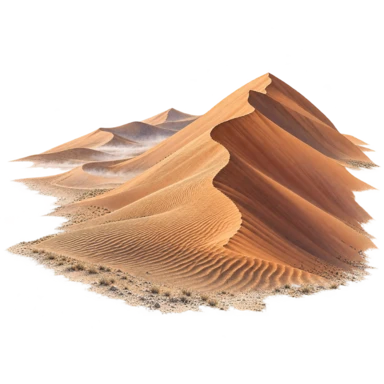
Namibia
Modern editorial interpretation: Let the changing light reveal a new way through.
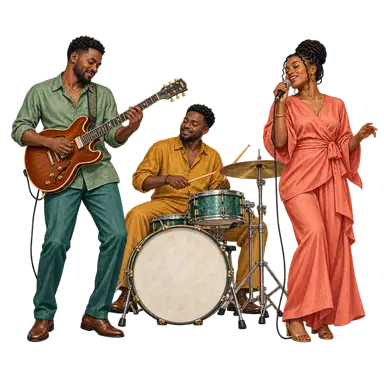
Congo
Part of Congolese and diaspora identity, carrying social values, intergenerational connections and solidarity in both celebration and mourning.
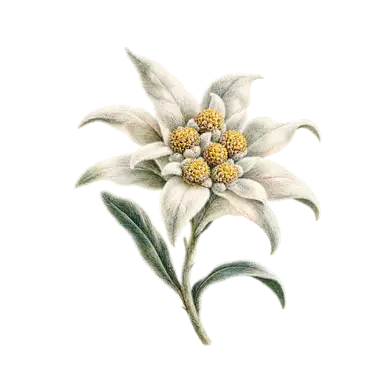
Austria
Alpine belonging, courage and adventure, with meanings that vary by context.
In gifts: Beyond the Horizon
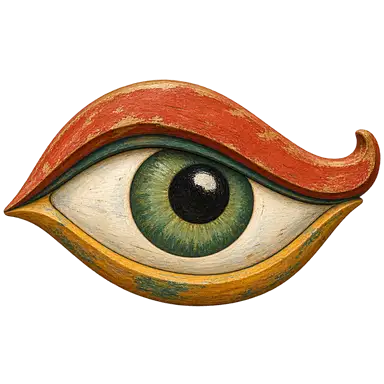
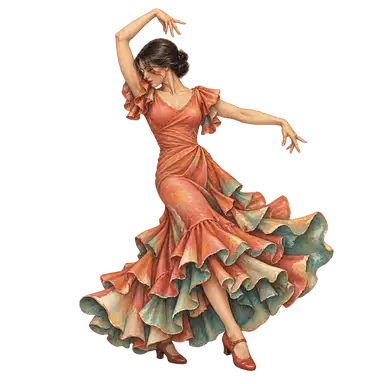
Spain
Powerful emotional expression, community identity and creativity.

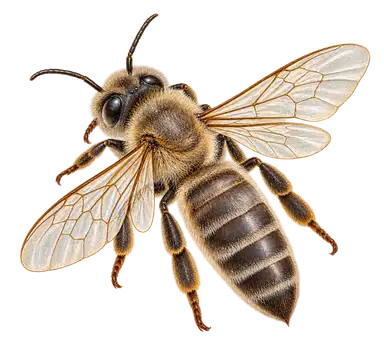
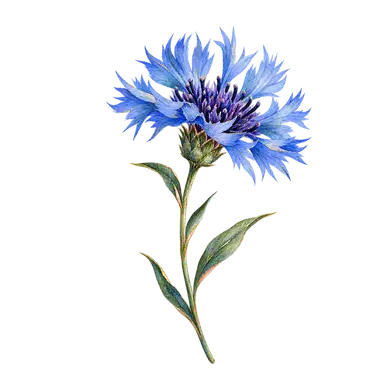
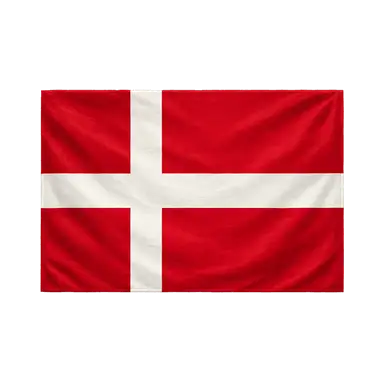
Denmark
Danish belonging and everyday celebrations such as birthdays.
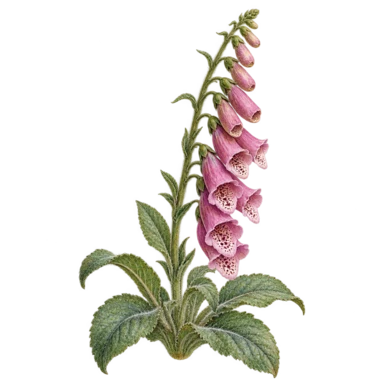
Western Europe; cultivated and naturalized elsewhere
Modern editorial interpretation: A modern image of standing tall without losing fine detail.
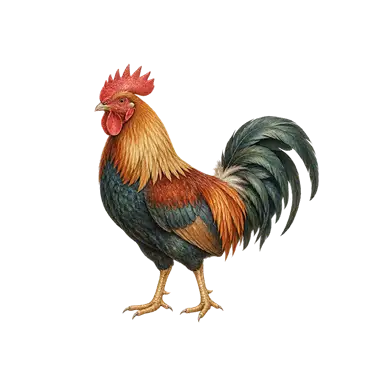
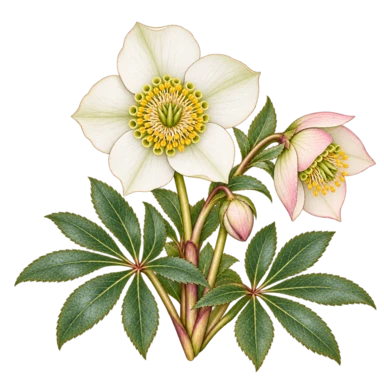
Native to the Alps and Apennines; widely cultivated
Modern editorial interpretation: An editorial image of keeping a small source of beauty through a difficult season.
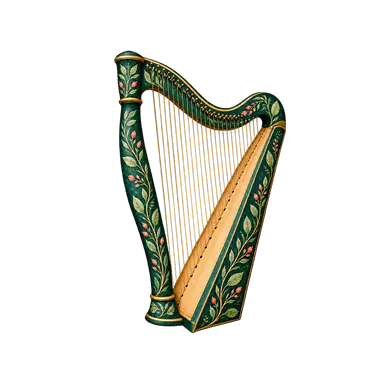
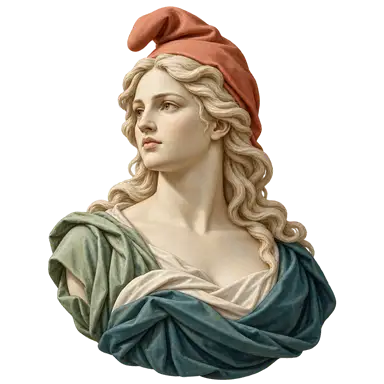
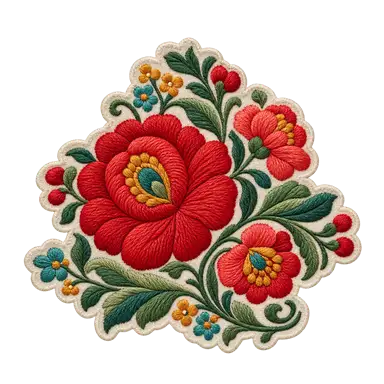
Hungary
Community cohesion, creativity and local pride.
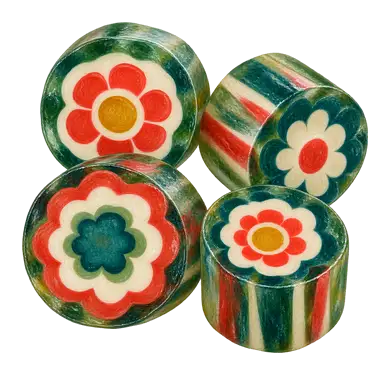
Italy
Shared memories, developing skill and individual creativity.
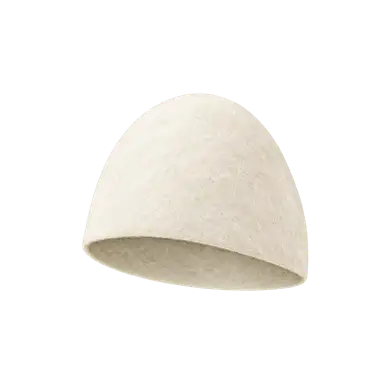
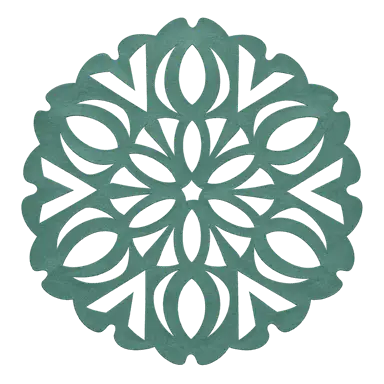
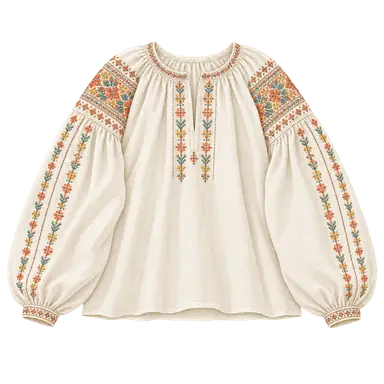
Romania
Cultural identity, a visible connection to the past and patient handwork.
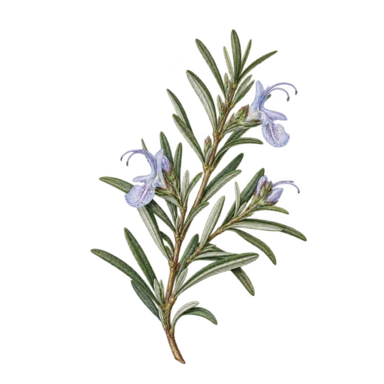
Mediterranean origin; widely cultivated
Folger Shakespeare Library records rosemary as a sign of remembrance, friendship and fidelity in Shakespeare’s England, including wedding and funeral use.
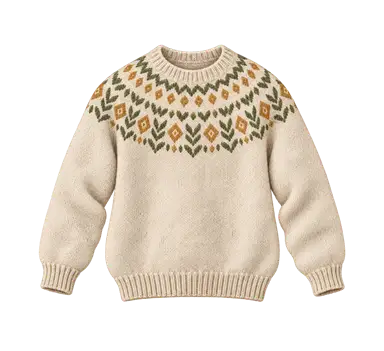
Iceland
Resilience against cold, local craft and Icelandic cultural identity.
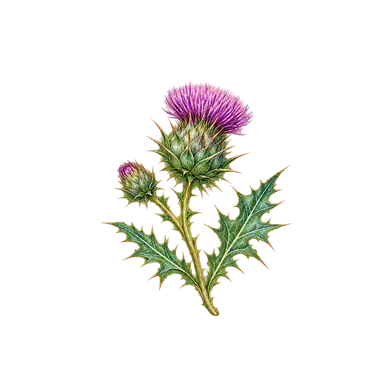
United Kingdom
Scottish identity; resilience is an optional contemporary association.
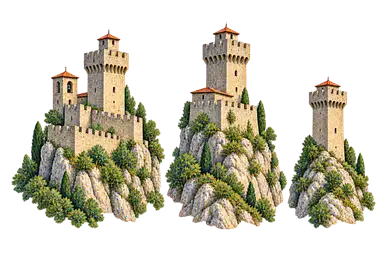
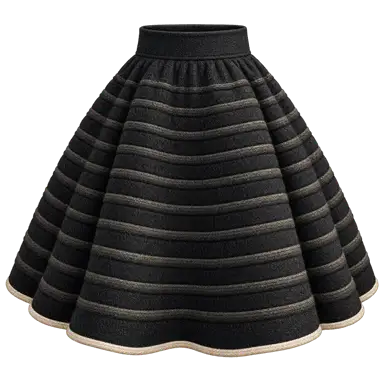
Albania
Highland belonging and continuity across generations, with meanings that are not shared uniformly nationwide.
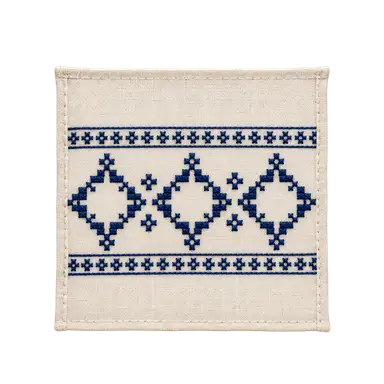
Bosnia and Herzegovina
Local identity, pride and emotional connections maintained after displacement.
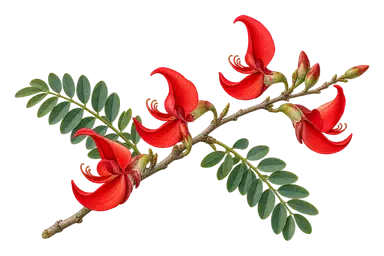
Dominica
Government material associates it with resilience in overcoming obstacles, ingenuity and the nation’s continuity.
In gifts: Light Returns
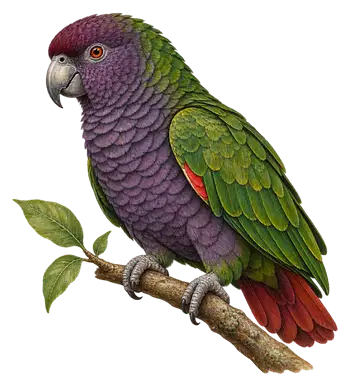
Dominica
The education ministry associates it with soaring higher, realizing ambitions and national identity.
In gifts: Steady Ascent
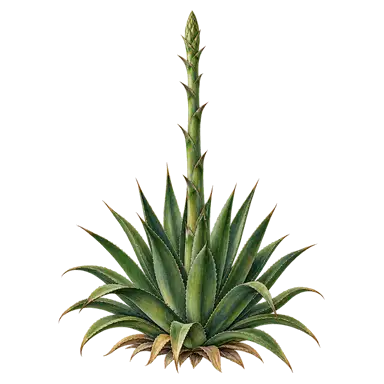
Antigua and Barbuda
An officially listed national plant symbol associated with local landscape and identity; broad meanings of love or luck are unverified.
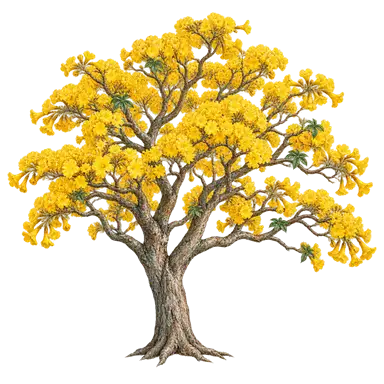
Venezuela
Venezuelan national and natural identity; hope is a contemporary editorial association.
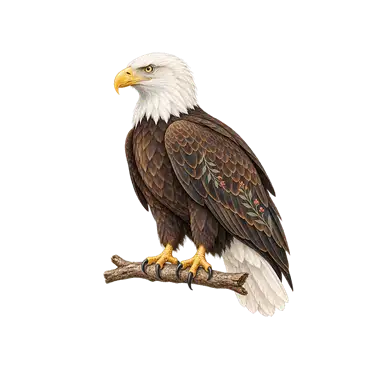
United States of America
United States national identity; its conservation recovery can support a contemporary theme of resilience.
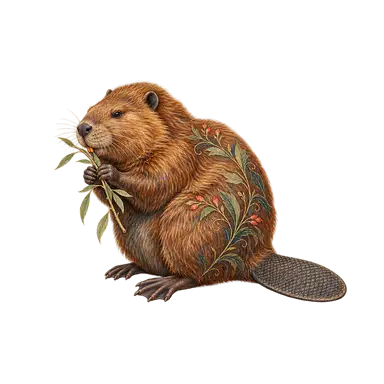
Canada
An official symbol of Canadian sovereignty and historical identity; industriousness is a modern interpretation that should not erase the fur-trade context.
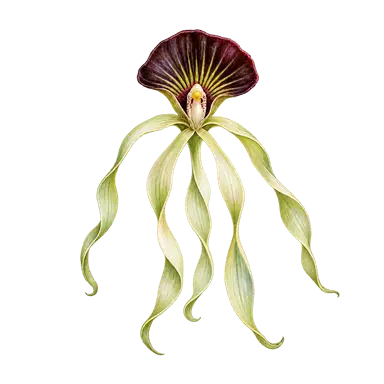
Belize
A national flower listed in the 2025 national-symbols law, expressing natural identity; popular meanings such as mystery or wealth are unverified.
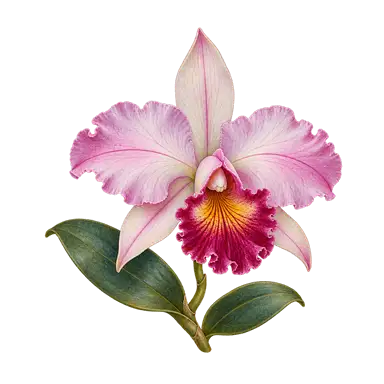
Colombia
A national flower confirmed by the foreign ministry, associated with natural identity; nobility and romance are not verified in the supplied sources.
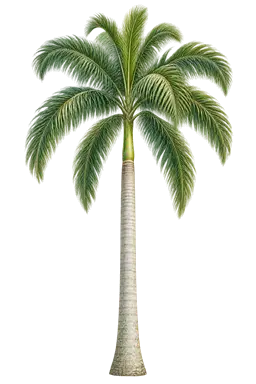
Cuba
Official tourism material connects the royal palm with Cubans’ unyielding character.
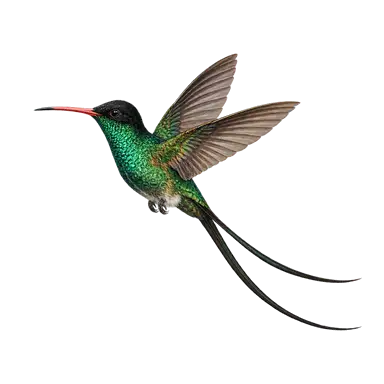
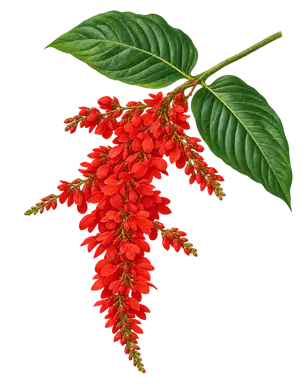
Trinidad and Tobago
Continuity of life and the nation in the foreign ministry's interpretation.
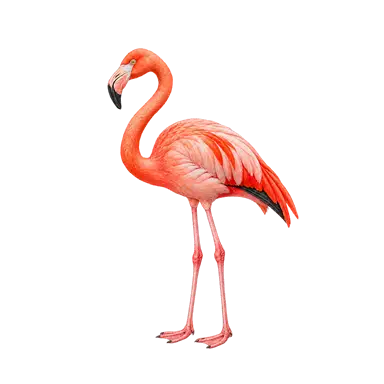
Bahamas
An official Bahamian national symbol associated with Great Inagua’s natural heritage; elegance is not a verified traditional meaning here.
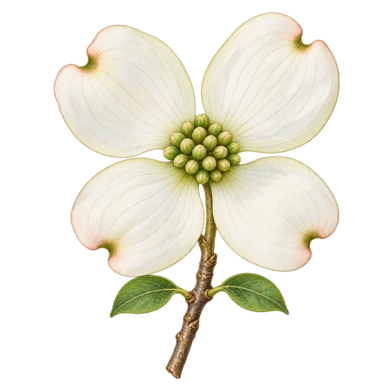
Eastern North America; cultivated elsewhere
Modern editorial interpretation: A contemporary image of making room around a smaller, easily overlooked center.

Suriname
Unity, hope and a shared future in a modern Surinamese government interpretation.
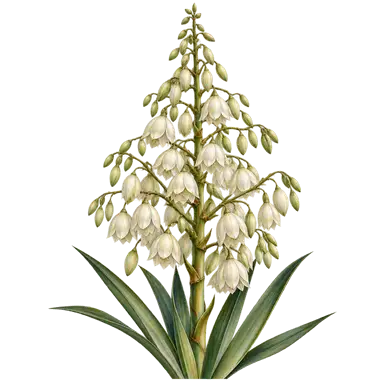
El Salvador
A natural-history museum director connects the plant’s many uses with abundance, plenty and biodiversity.
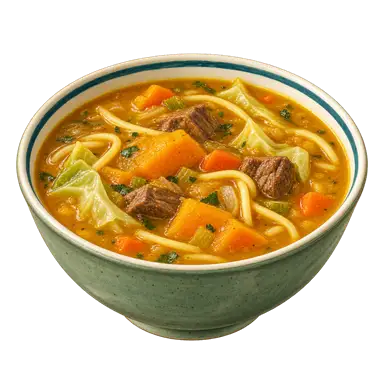
Haiti
Freedom, dignity, resilience and community belonging, as documented by UNESCO.
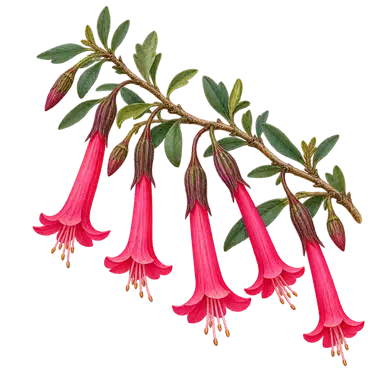
Bolivia
A national symbol; official descriptions emphasize regional unity and intercultural connections when it is intertwined with the patujú flower.
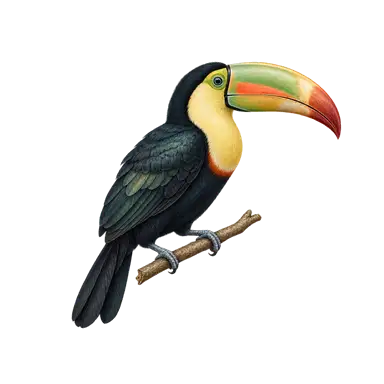
Belize
Belize’s legally designated national bird, associated with national and ecological identity; joy is an editorial emotion mapping.
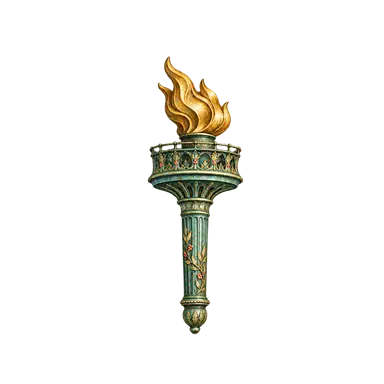
United States of America
Enlightenment and liberty; the statue's broken chains also relate to abolition.

Canada
A public symbol of Canadian identity and belonging, not a shared symbol of all Indigenous peoples.
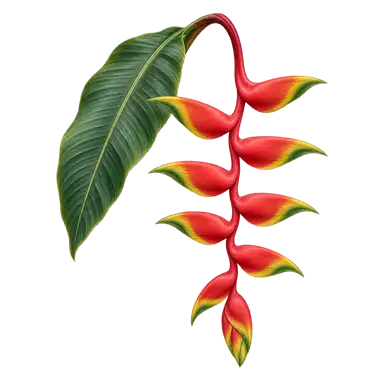
Bolivia
A national symbol that represents regional unity and intercultural relationships when linked with kantuta.
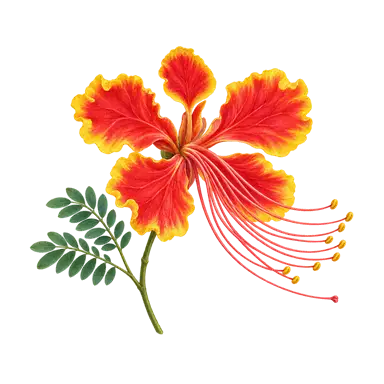
Barbados
An official national flower expressing Barbadian identity; passion is a contemporary interpretation of its colors.
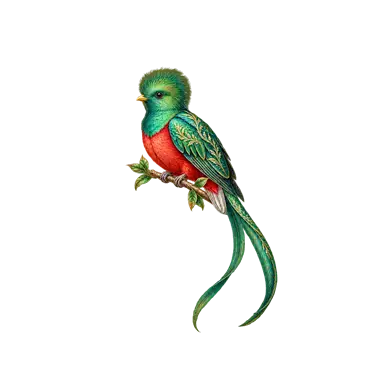
Guatemala
Government news material associates the bird with freedom and beauty; sacred Maya contexts require separate study.
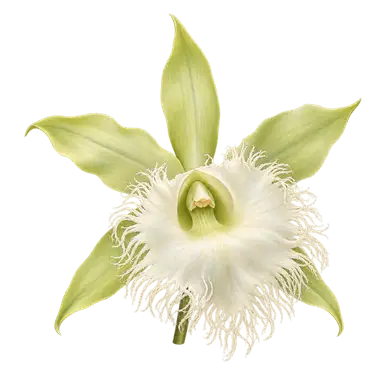
Honduras
National natural identity and the beauty of local plants; further fixed flower meanings are unverified.
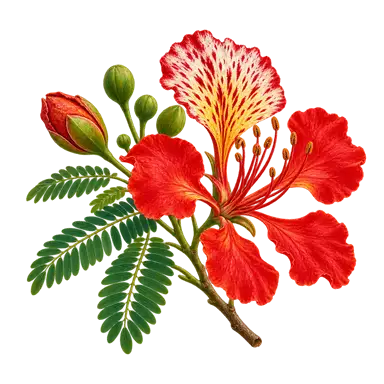
Saint Kitts and Nevis
Home and national identity through Saint Kitts and Nevis’s national flower.
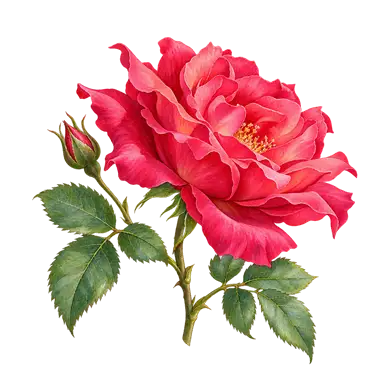
Saint Lucia
La Rose flower-society belonging and festive identity in Saint Lucia.
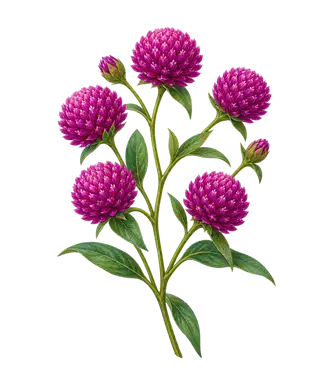
Saint Lucia
La Marguerite flower-society and festival identity in Saint Lucia.
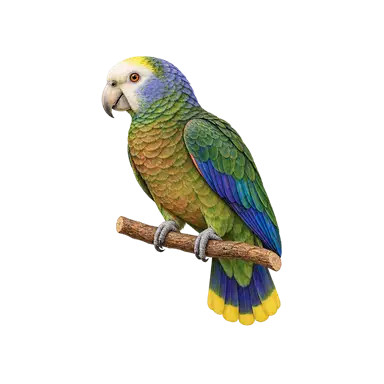
Saint Vincent and the Grenadines
National and natural identity through Saint Vincent and the Grenadines’ national bird.
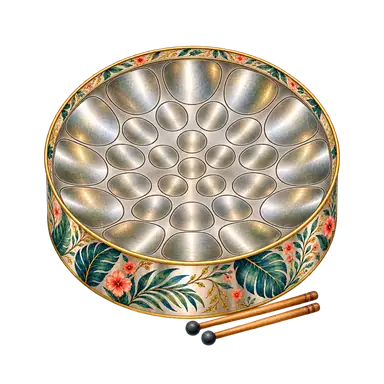
Trinidad and Tobago
A national instrument and local creativity; innovation, ensemble music and unity are contemporary editorial themes.
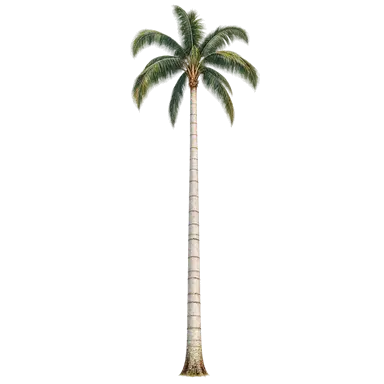
Colombia
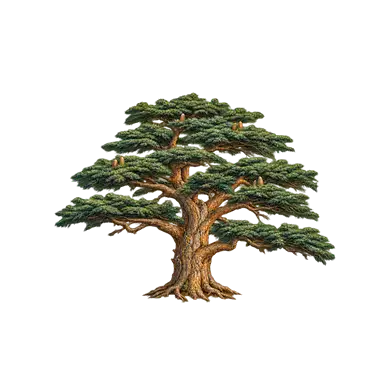
A legally designated national tree; foreign-ministry material notes its height, longevity and strength. Resilience is a contemporary emotion mapping.
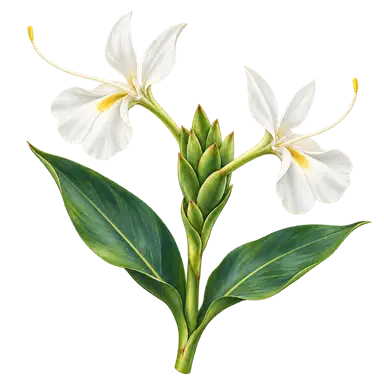
Cuba
Cuban national identity and memories of independence; official tourism material connects it with women carrying liberation messages.
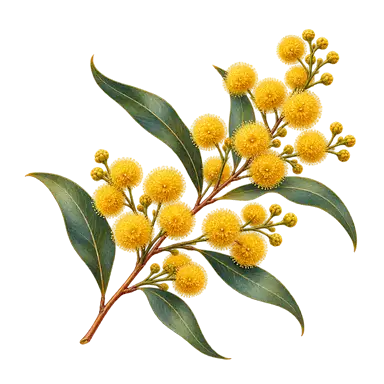
Australia
Government sources associate golden wattle with unity and resilience through adversity, as well as remembrance and reflection.
In gifts: Quiet Courage
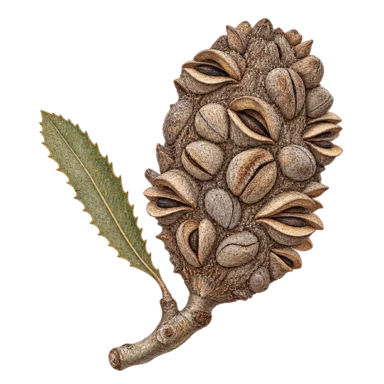
Australia-centered genus; some occurrence beyond Australia
An editorial image of a protected possibility opening when conditions change.
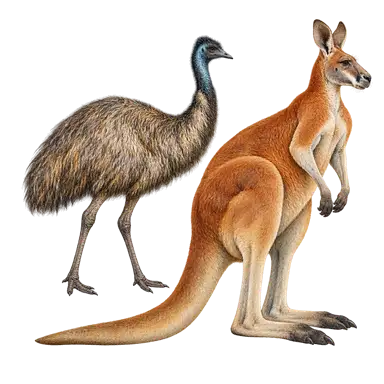
Australia
Familiar Australian wildlife symbols; “moving forward” is a common interpretation noted by government, not a proven reason for their selection.
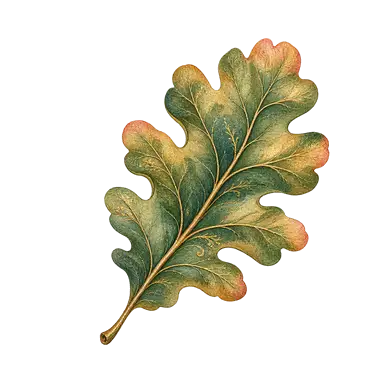
Cross-cultural
Natural and historical oak imagery; endurance and resilience are editorial extensions.
In gifts: Quiet Courage, Harvest Table
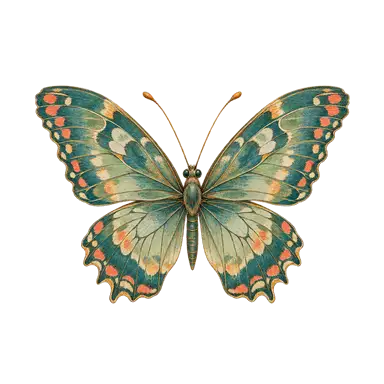
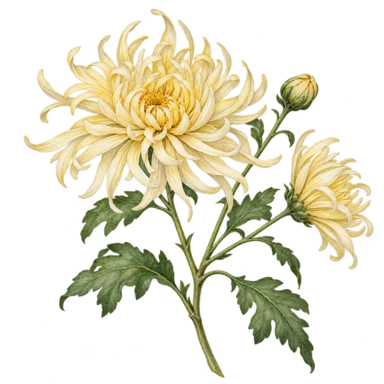
Long cultivation in East Asia and internationally
The Metropolitan Museum links chrysanthemum with autumn and longevity in Chinese decorative arts. This records a cultural association rather than a promise of longer life.
In gifts: Harvest Table
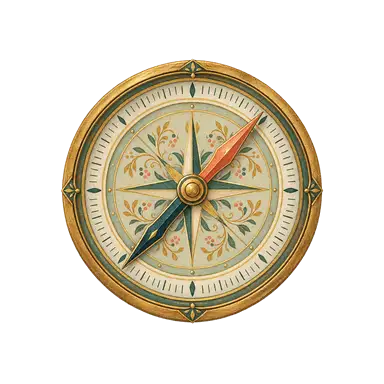
Cross-cultural
A tool for finding direction; autonomy and exploration are editorial metaphors.
In gifts: Beyond the Horizon
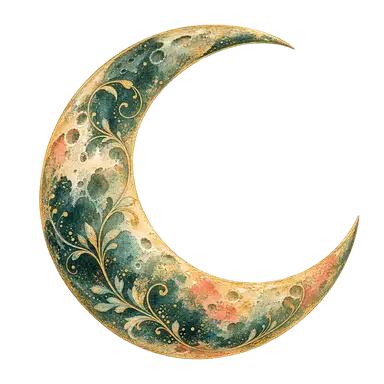
Cross-cultural
Lunar phases and cycles; rest, change and rhythm are editorial metaphors.
In gifts: Moonlit Pause
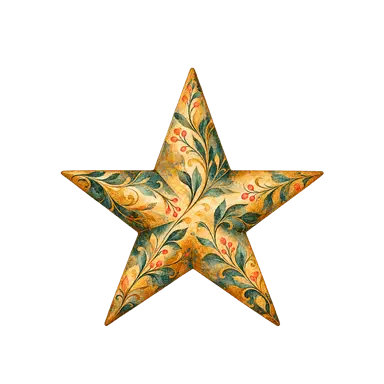
Cross-cultural
A geometric star; direction, wishes and moments of brilliance are editorial metaphors.
In gifts: Open Skies
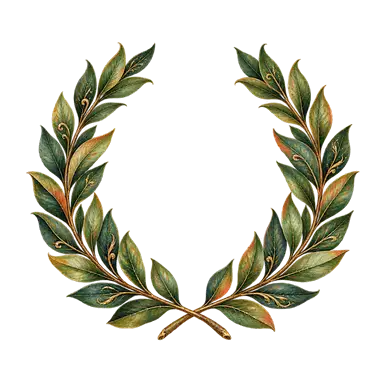
Cross-cultural
Victory and honor; self-recognition is an editorial extension.
In gifts: Steady Ascent
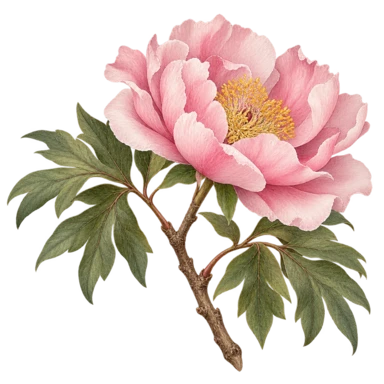
Chinese horticultural origins; cultivated internationally
Kyoto National Museum describes peony imagery in Chinese painting and decorative objects as associated with wealth and honor. This is an artistic convention, not a prediction of prosperity.
In gifts: New Year Blossoms
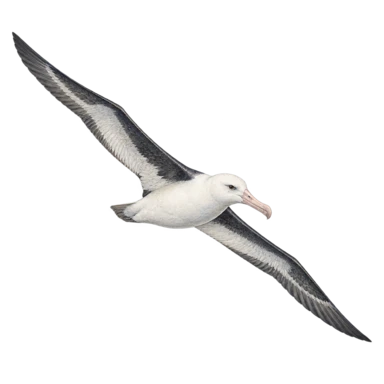
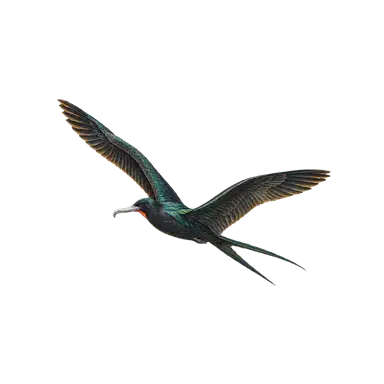
Oceanic settings; great-albatross inspiration with species-dependent ranges
Modern editorial interpretation: A modern image of working with changing conditions rather than meeting everything with force.
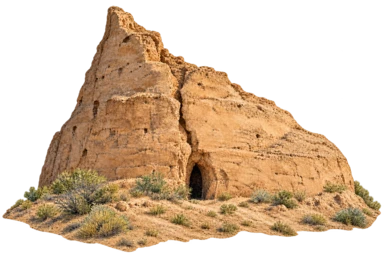
Ancient Merv, Mary region, Turkmenistan
Merv is a layered inhabited and archaeological landscape, studied through collaboration among the Turkmenistan Ministry of Culture, Ancient Merv State Park and UCL. This civil-storage component does not stand for every period or community, and excludes nearby funerary and religious monuments.
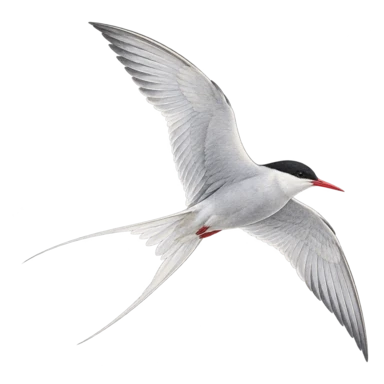
Northern breeding regions and migration context extending to Antarctic waters
Modern editorial interpretation: A modern image of a long journey that still leaves room for return.
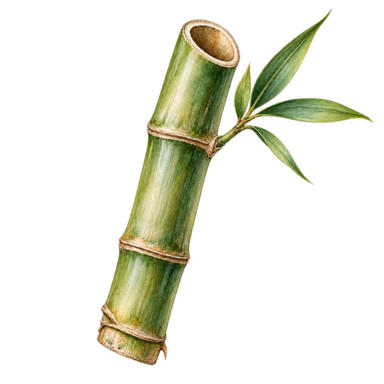
Generalized woody bamboo anatomy; Chinese art context identified separately
The Metropolitan Museum notes that bamboo can represent a virtuous person enduring difficult times in Chinese art. This describes an artistic association rather than a universal property of the plant.
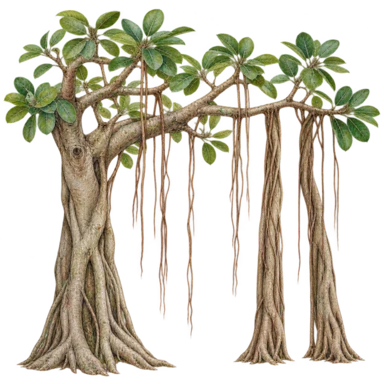
Indian subcontinent; cultivated in tropical regions
Kew records banyan's sacred status in Hindu and Buddhist contexts in India and its frequent planting near temples. This is a geographically bounded context, not one universal symbolic meaning.
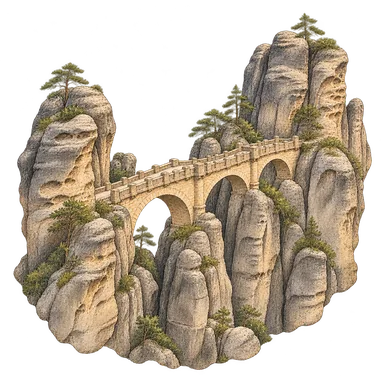
Saxon Switzerland, Germany
Modern editorial interpretation: Connection, perspective and the next step.
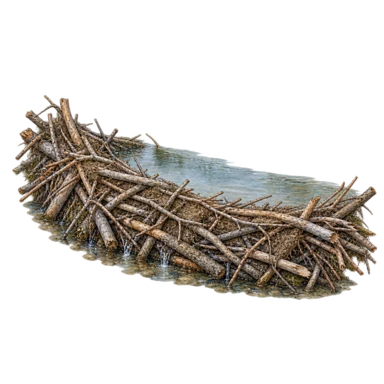
North American beaver habitat context; no particular site depicted
Modern editorial interpretation: An editorial image of making a place that can support more than its builder.
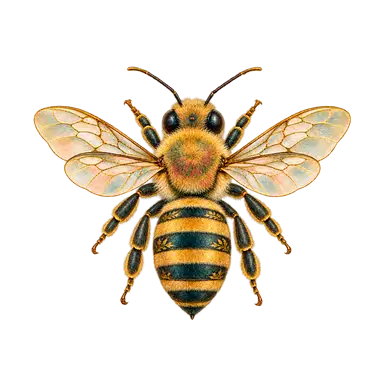
Cross-cultural
Interdependence between pollinators and people; cooperation and contribution are editorial metaphors.
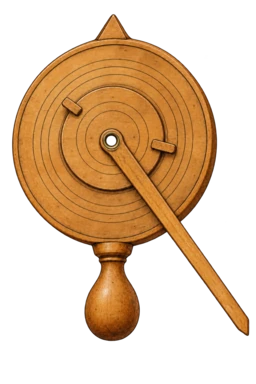
Seventeenth-century English instrument type in Royal Museums Greenwich
Greenwich connects nocturnals with both skilled observation and printed learning aids, including Peter Apian’s 1524 description. The specific boxwood example is English and seventeenth-century, with an unknown maker; this does not establish a single inventor or universal symbolism.
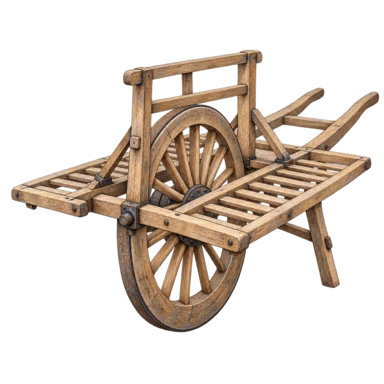
China; historical load-carrying form
The Science Museum model is associated with Beijing and has an unknown manufacture date; 1870-4 is its accession number. A separate Powerhouse collection describes side platforms and central wheel protection. Neither model's provenance is assigned to this original illustration or to all Chinese handcarts.
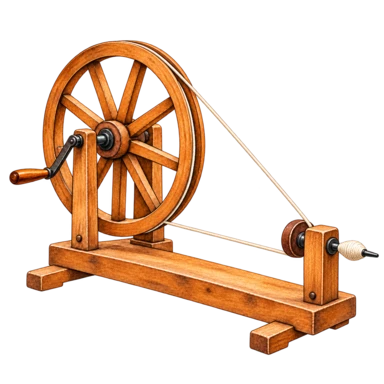
India; khadi and independence-movement context
The National Gandhi Museum documents multiple charkha constructions. The V&A explains khadi and swadeshi history. A traditional open low wheel is selected here, not a portable box charkha, mechanized multi-spindle machine, national flag or modern sculptural monument.
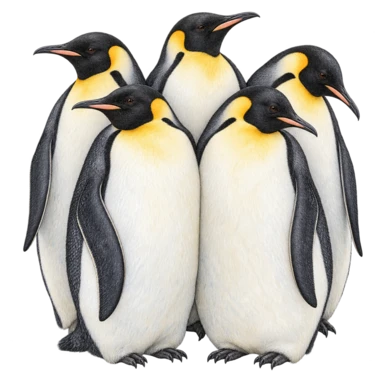
Antarctica
Modern editorial interpretation: A contemporary image of sharing protection rather than leaving one individual outside.
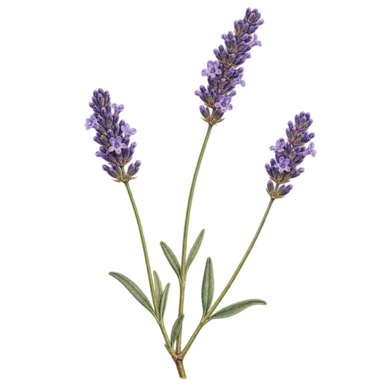
Native to parts of France, Italy and Spain; cultivated widely
Kew discusses lavender’s twentieth-century LGBTQIA+ associations and the color’s use for empowerment, remembrance and resistance. This optional historical context does not imply one meaning for every lavender flower or wearer.
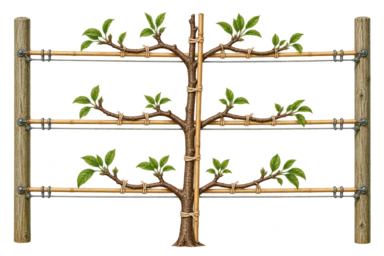
Horticultural method documented by the RHS and UC Marin; no origin country asserted
RHS guidance distinguishes soft shoot-to-cane ties from firmer cane-to-wire ties. UC Marin documents freestanding supports between posts and tier development over several years. The geometry expresses continuing horticultural work and economical use of growing space, rather than a naturally occurring tree outline.
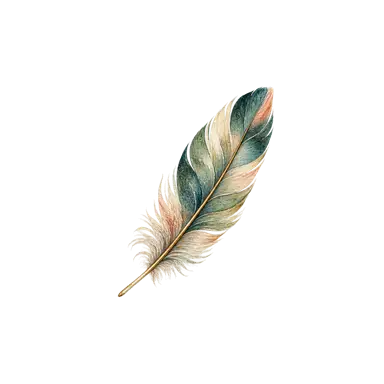
Cross-cultural
Feathers support flight, insulation and display; lightness and freedom are editorial metaphors.
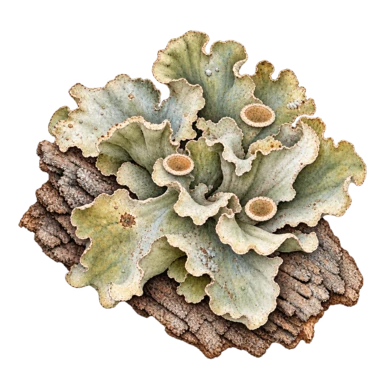
Bark, rock and soil habitats worldwide
Modern editorial interpretation: A modern image of a shared form arising through different partners.
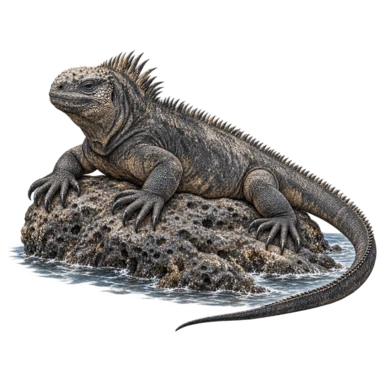
Galápagos Islands, Ecuador
The selected sources support a natural animal and habitat study, without attributing a cultural belief or human personality to the iguana. Galápagos includes resident communities and active conservation; the image makes no untouched-wilderness, animal-handling or conservation-success claim.
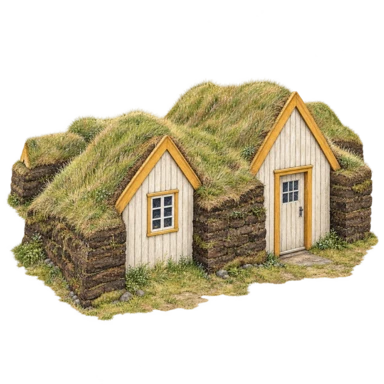
Skagafjörður, Iceland
A specific preserved farmhouse and domestic history in northern Iceland. Its connected layout records shared household space and building knowledge; it is not a claim about every Icelandic home or an unchanging national lifestyle.
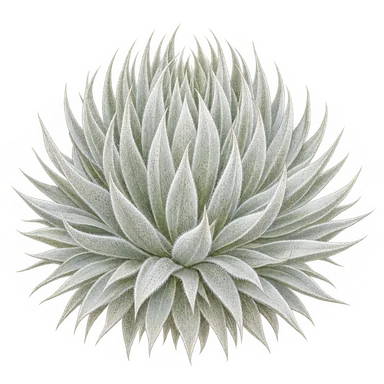
Maui, Hawaiʻi, United States
Modern editorial interpretation: Quiet resilience and care for irreplaceable places.
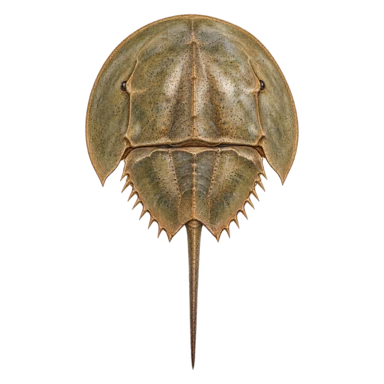
Atlantic coasts and Asian coastal habitats; species-dependent
Modern editorial interpretation: A modern image of durability that still deserves care.
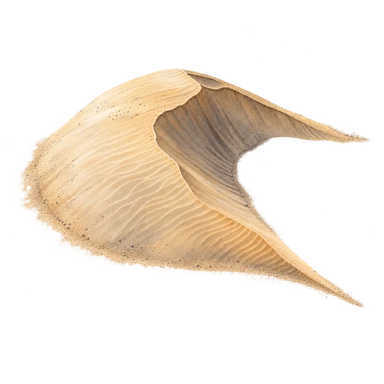
Deserts and other sparsely vegetated sand environments
Modern editorial interpretation: An editorial image of a stable-looking form continually remade by movement.
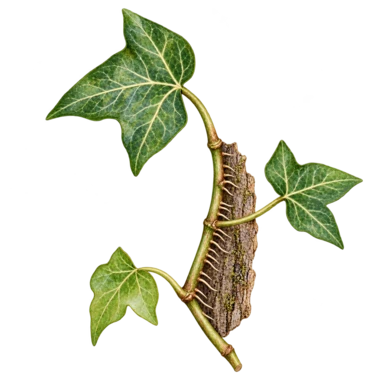
European and Mediterranean origin; cultivated and naturalized elsewhere
Modern editorial interpretation: A contemporary image of finding many small points of support.
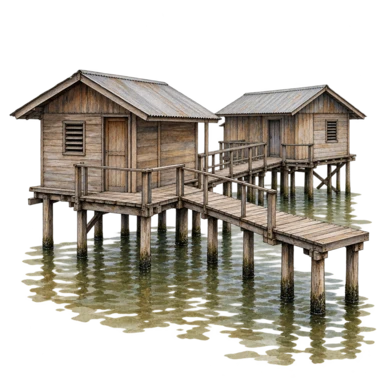
Brunei River, Bandar Seri Begawan, Brunei
The heritage gallery’s stated aim is to preserve the water village amid modernization while supporting local businesses and reviving traditional industries. The motif represents an architectural arrangement rather than a timeless village or any resident’s particular home; it does not reuse domestic decorations, religious structures or personal stories.
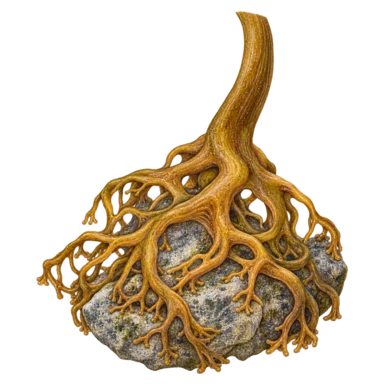
Temperate rocky coasts
Modern editorial interpretation: A contemporary image of anchoring that allows the rest of a form to move.
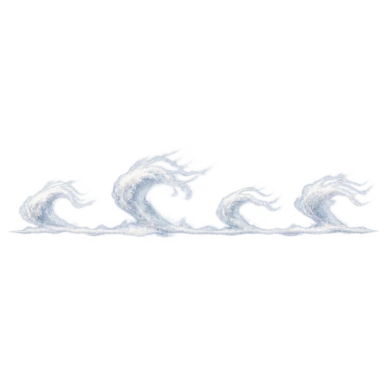
Atmosphere worldwide under suitable shear conditions
Modern editorial interpretation: A modern expression of meeting currents creating a new shape.
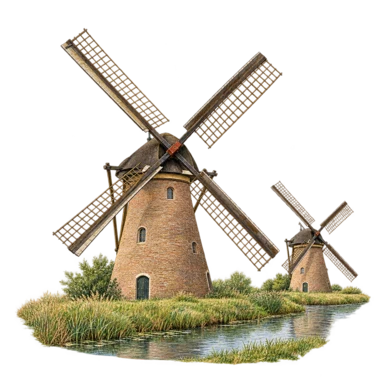
Kinderdijk, Netherlands
The site foundation distinguishes staggered round brick Nederwaard mills from the straight line of thatched Overwaard mills. The documented association is coordinated drainage and continuing skilled upkeep, not a universal national character.
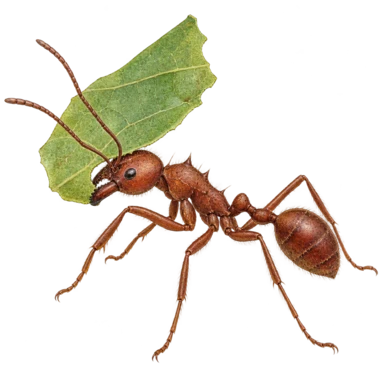
Tropical and subtropical Americas
Modern editorial interpretation: A contemporary image of a small contribution supporting a larger living process.
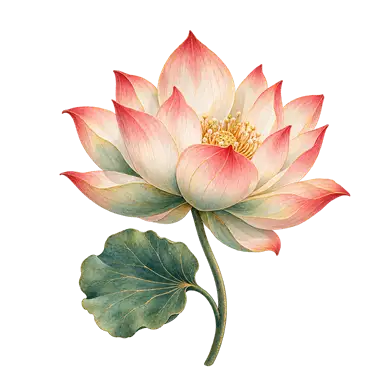
Cross-cultural
Auspiciousness, purity and enlightenment in Buddhist art; it is not simply religion-neutral.
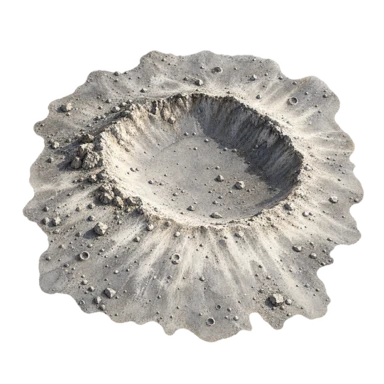
Moon
Modern editorial interpretation: A modern image of an event leaving traces beyond its center.
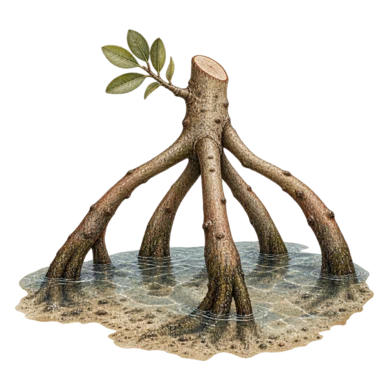
Tropical and subtropical coasts
Modern editorial interpretation: A contemporary expression of grounding through many points of contact.
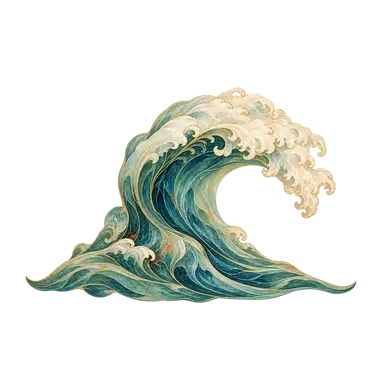
Cross-cultural
Energy moving through water; flow, adaptation and rhythm are editorial metaphors.
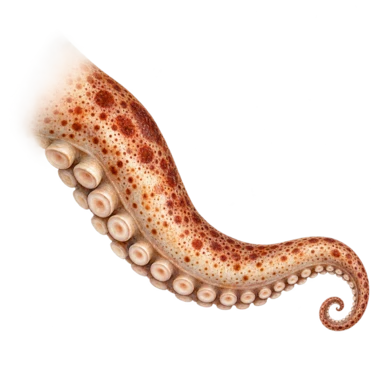
Generalized marine octopus anatomy; species unassigned
Modern editorial interpretation: A modern motif for changing expression without assigning deception or personality to an animal.
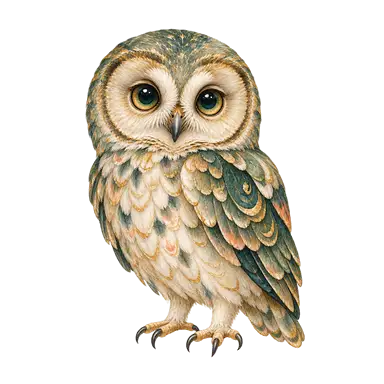
Cross-cultural
Wisdom in imagery associated with Athena; observation and learning are editorial extensions.
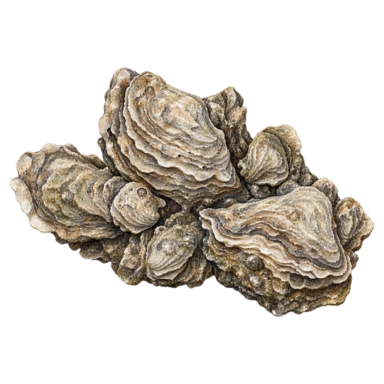
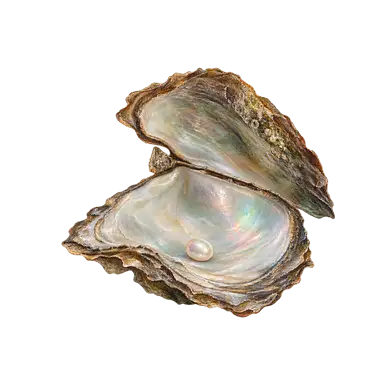
Coastal and estuarine oyster habitats
Modern editorial interpretation: A contemporary image of one life making a place for another.
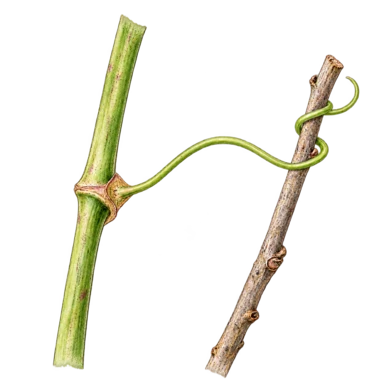
Generalized climbing passionflower anatomy; species unassigned
Modern editorial interpretation: An editorial image of reaching outward while finding support.
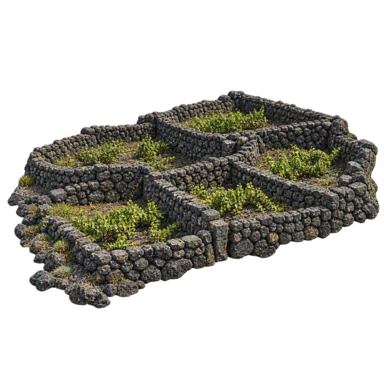
Pico Island, Azores, Portugal
UNESCO and Portuguese tourism sources locate the vineyard practice in the island's historic agricultural landscape, including Criação Velha and Santa Luzia. This is a living landscape maintained by growers; the wall pattern is functional rather than an invented sacred or national emblem.
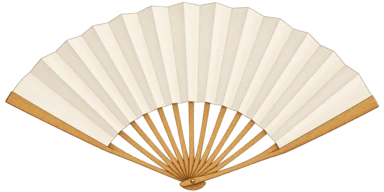
Cross-cultural everyday folding-fan construction; historical Japanese and Chinese-export examples provide specifically bounded context
Practical folding construction and varied documented uses/materials. No universal secret language, ceremonial function or single place of invention is claimed.
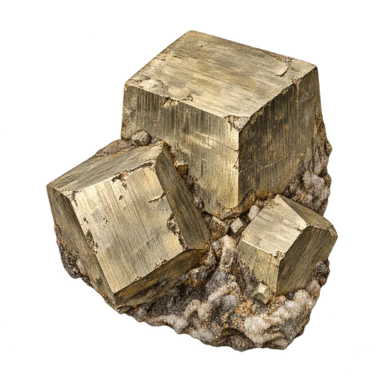
Mineral deposits worldwide
Modern editorial interpretation: An editorial image of natural geometry and looking beyond first appearances.
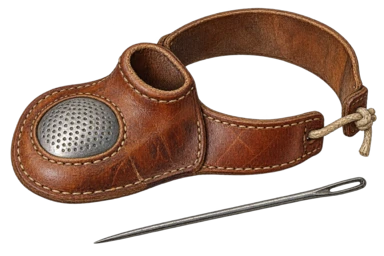
Transregional maritime work / examples documented in Australia and Britain
Its documented setting is the skilled repair and maintenance of water transport.

Celestial navigation
Modern editorial interpretation: A little perspective can reveal the next bearing.
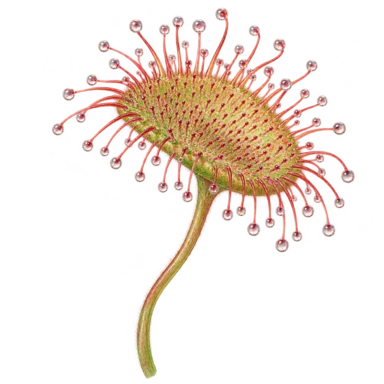
Wet nutrient-poor habitats in many regions
A modern image of delicacy and resourcefulness existing together.
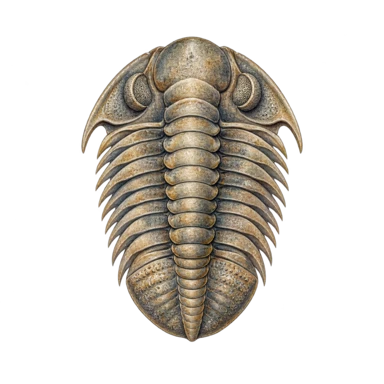
Ancient marine sediments worldwide
Modern editorial interpretation: A modern reading of ancient life’s intricacy rather than a generic emblem of toughness.
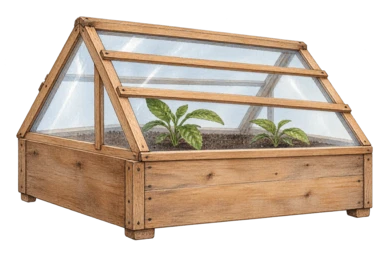
Britain and international botanical transport, including colonial Asia
The case is a plain historical shipping type, distinct from ornamental domestic terrariums and contemporary designer products. Its small illustrative shoots do not identify a crop or recreate a particular colonial shipment. Plant survival was not guaranteed, and the drawing supplies no horticultural or biosecurity instructions.
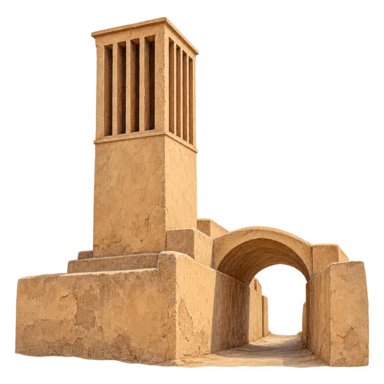
Yazd, Iran
Yazd remains an inhabited city. The conservation account concerns everyday architectural knowledge and ongoing care for earthen buildings. Qanats supply water underground and are distinct from windcatcher ventilation; neither system is reduced to a decorative emblem or a claim that all buildings work identically.
Ready-made designs composed from the symbols above, each with a free card explaining what they mean.

Gratitude & appreciation
Bojagi wrapping cloth · Agaseke basket
A small thank-you for care, generosity, or a thoughtful gesture.

Good luck & opportunity
Maneki-neko · Key · Five-point star
A wish for a fortunate opening and the confidence to meet it.

Career progress & achievement
Laurel wreath · Mountain · Sisserou parrot
A wish for meaningful progress, earned confidence, and work that matters.

Graduation & exploration
Compass · Open book · Edelweiss
A wish for curiosity, confidence, and room to discover what comes next.

A warm new home
Ger dwelling silhouette · Shanyrak roof crown · Azulejo four tiles (original glazed construction study)
A wish for an everyday place of comfort, welcome, and belonging.

Safe travels & return
Luzzu painted eye · Seigaiha wave pattern · Scallop shell
A wish for a good journey and a welcome return.

Strength through a difficult chapter
Mugunghwa / rose of Sharon · Golden wattle · Oak leaf
A wish for steadiness without pressure to be strong all the time.

Rest & calm
Crescent moon · Blue water lily · Wau Bulan moon kite
A wish for unhurried moments and permission to pause.
More guides: Love & partnership · Family, home & belonging · New beginnings & hope · Luck, joy & celebration · Peace, calm & comfort · Care, gratitude & remembrance · Friendship & connection · Curiosity, creativity & wonder · Nature & the living world
Meanings are interpretive and vary by community and context. We show the documented meaning and its source — never a promise of any outcome.