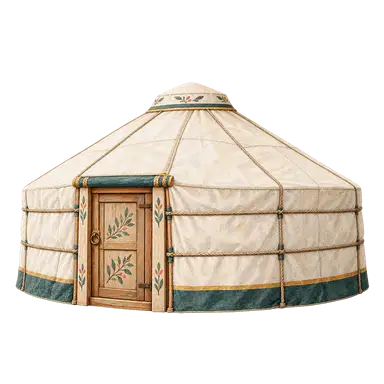
Ger dwelling silhouette
Mongolia
A home adapted to its environment and continuity of daily life.
In gifts: Rooted Here
🎁 Order by Nov 24 for estimated delivery before Dec 24 · free US shipping on every order
🎁 Order by Jan 8 for estimated delivery before Lunar New Year (Feb 6) · free US shipping on every order

SYMBOL GUIDE
102 symbols that people in different cultures use to express peace, calm & comfort: where each comes from, what it is documented to mean, and a source you can check.
Jump to: East Asia (3) · South & Southeast Asia (2) · Middle East & Central Asia (2) · Africa (2) · Europe (18) · The Americas & Caribbean (8) · Shared across cultures & nature (67)
Mongolia
A home adapted to its environment and continuity of daily life.
In gifts: Rooted Here
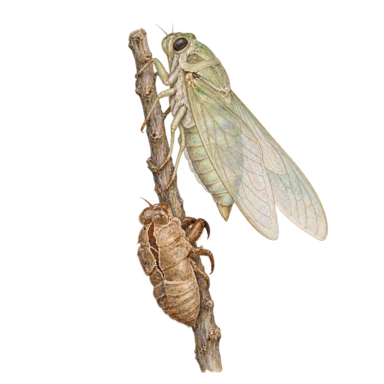
Many temperate and tropical regions; Chinese cultural context separately documented
The Smithsonian National Museum of Asian Art describes a specific Han-dynasty funerary association: jade cicada amulets placed on the deceased’s tongue expressed hopes for rebirth and immortality. This historical context is separate from the natural animal illustration.
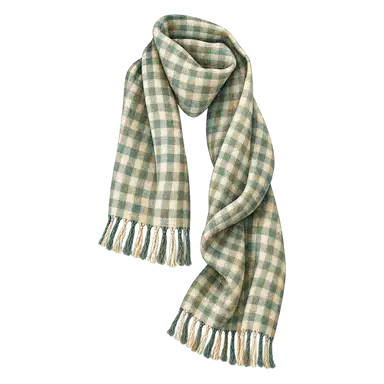
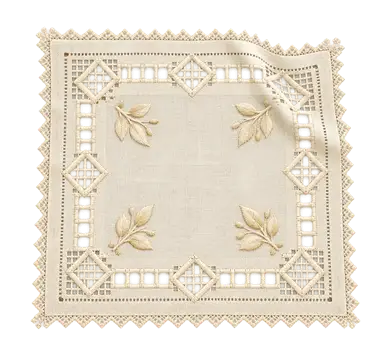
Cyprus
Careful craftsmanship, local identity and continuity.
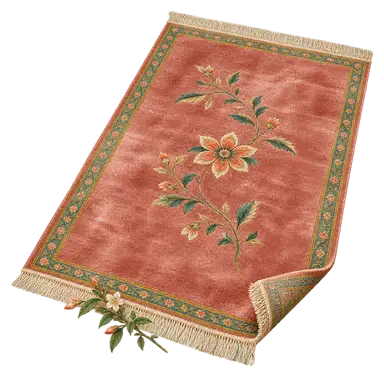
Iran
Accomplished craftsmanship, family continuity and cultural memory.
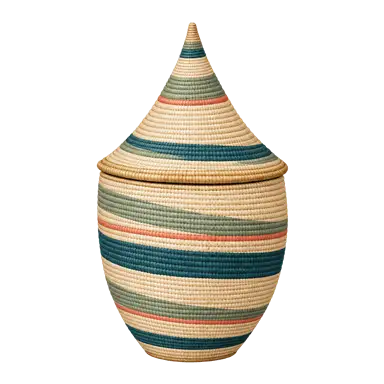
Rwanda
Gift giving and, in contemporary accounts, peace through working together.
In gifts: Small Graces
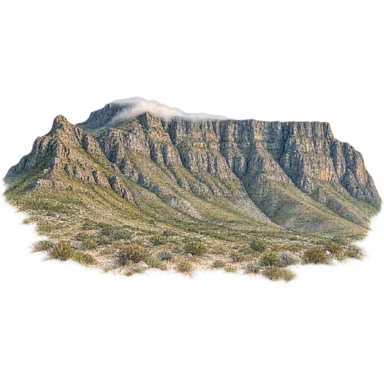
Cape Town, South Africa
Modern editorial interpretation: A steady horizon, with room for clouds to pass.
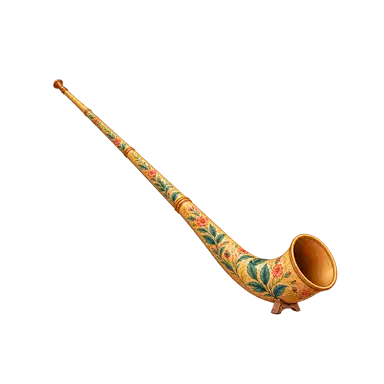
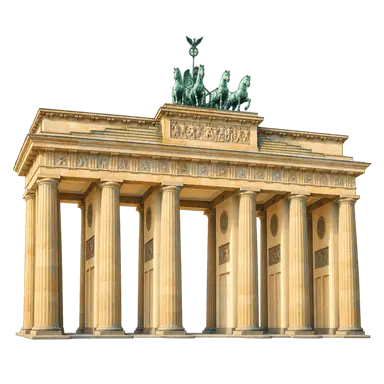
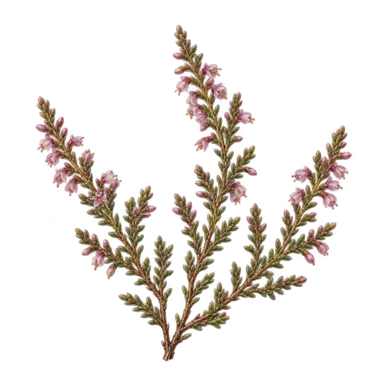
European and adjacent heathland regions; also cultivated and introduced
Modern editorial interpretation: A modern appreciation of modest forms that make a place feel distinctive.
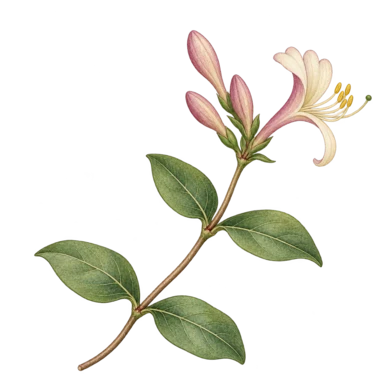
Europe, North Africa and southwestern Asia
Modern editorial interpretation: An editorial expression of affection that follows a shared path without becoming a closed knot.
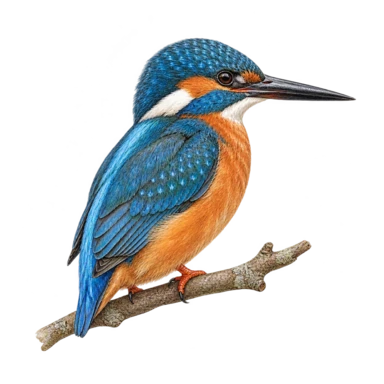
Common kingfisher across parts of Europe, Asia and North Africa
Modern editorial interpretation: An editorial image of quiet attention followed by decisive movement.
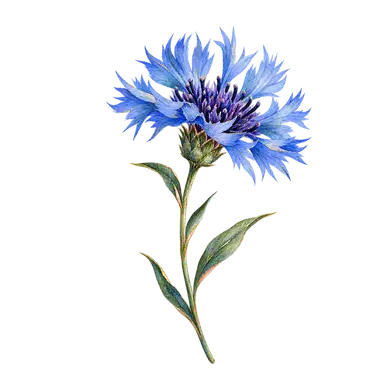
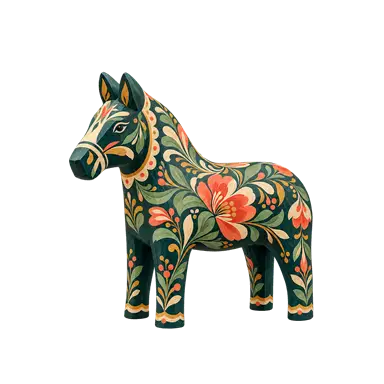
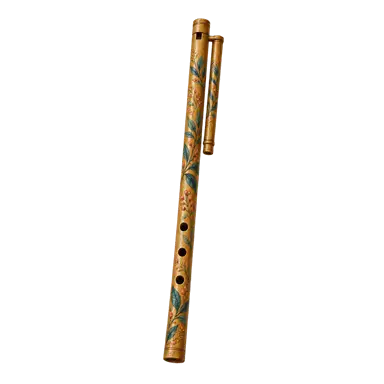
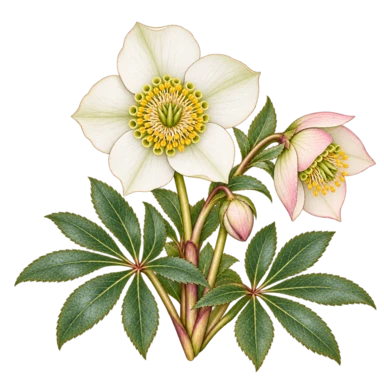
Native to the Alps and Apennines; widely cultivated
Modern editorial interpretation: An editorial image of keeping a small source of beauty through a difficult season.
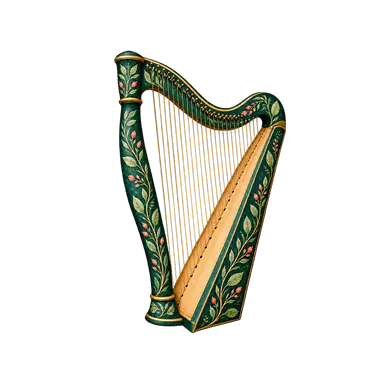
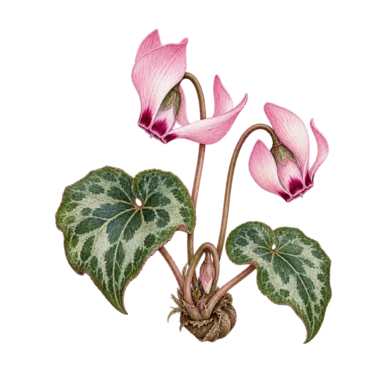
Mediterranean and southern European woodlands
Modern editorial interpretation: An editorial reminder that a new beginning can arrive outside the expected season.
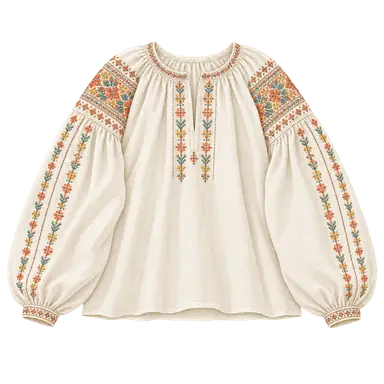
Romania
Cultural identity, a visible connection to the past and patient handwork.
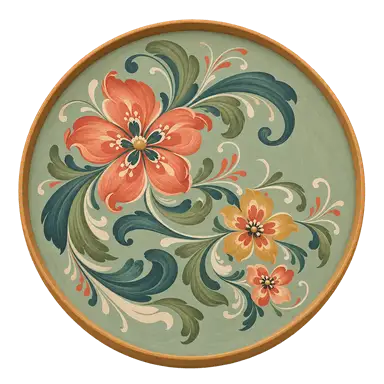
Norway
Folk aesthetics and local belonging; warmth and creativity are editorial associations.
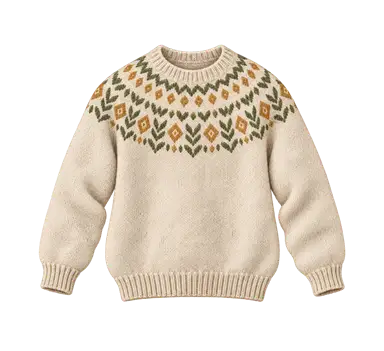
Iceland
Resilience against cold, local craft and Icelandic cultural identity.

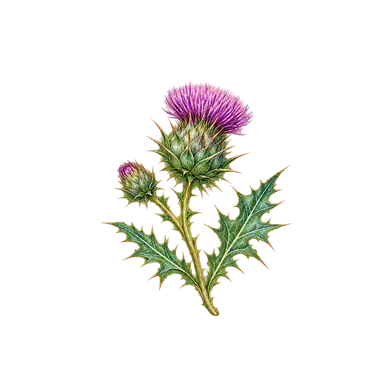
United Kingdom
Scottish identity; resilience is an optional contemporary association.
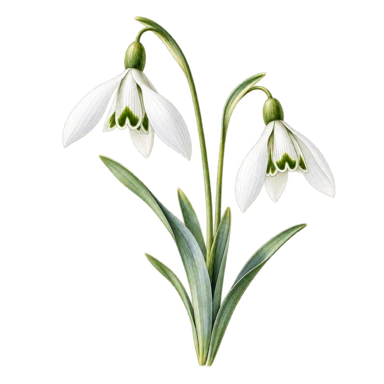
European-origin species; gardens and other habitats
Modern editorial interpretation: An editorial image of beginning quietly, without requiring perfect conditions.
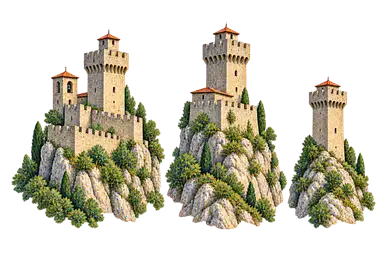
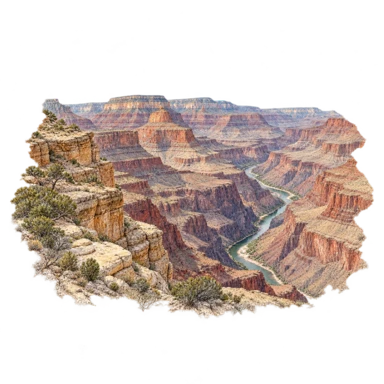
Arizona, United States
Modern editorial interpretation: Give time its place in the shape of your story.
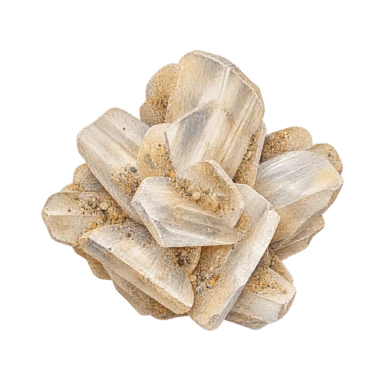
Sandy mineral-forming environments; cited example: Laguna Madre, Texas
Modern editorial interpretation: A contemporary expression of flower-like beauty made by a nonliving process.

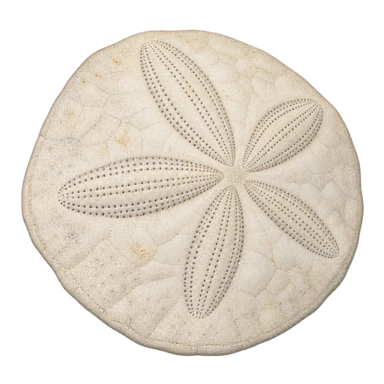
Eastern North Pacific; Alaska to Baja California for this species
A modern appreciation of quiet detail in an unassuming form.
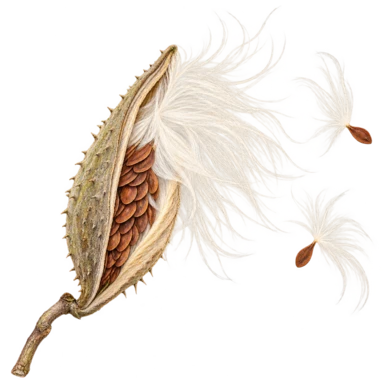
Western and central North America
A contemporary image of letting go with care rather than abandoning what matters.
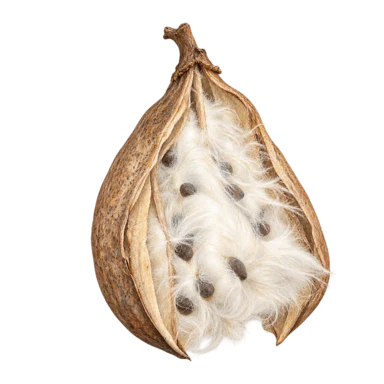
South American species, widely cultivated
Modern editorial interpretation: An editorial image of softness sheltered inside a firm outer form.

Saint Lucia
Modern editorial interpretation: Two different forms can share a balanced horizon.
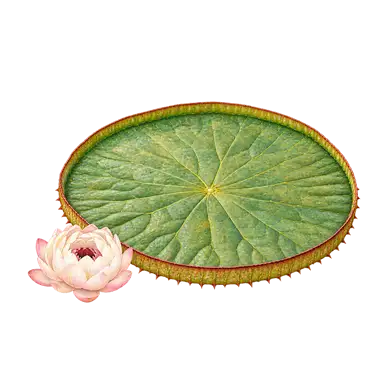
Guyana
Guyana’s national flower, associated with public natural identity; calm and support are contemporary design suggestions.
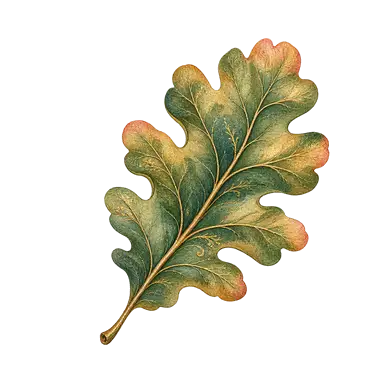
Cross-cultural
Natural and historical oak imagery; endurance and resilience are editorial extensions.
In gifts: Quiet Courage, Harvest Table
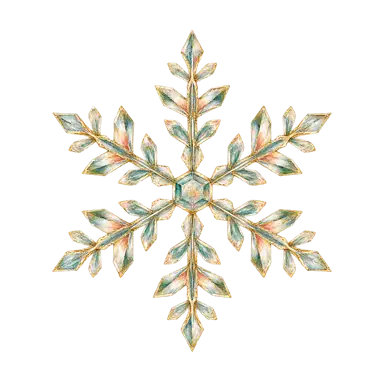
Cross-cultural
Ice-crystal growth; small differences and uniqueness are editorial metaphors.
In gifts: Little Dawn, Winter Lights
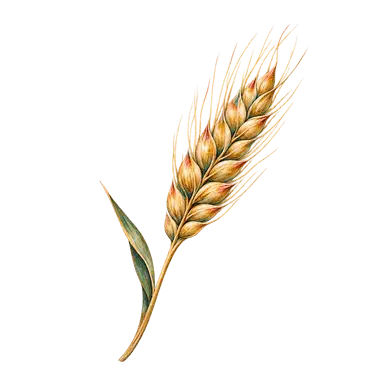
Cross-cultural
Food and agriculture; abundance, effort and harvest are editorial extensions.
In gifts: Golden Harvest, Harvest Table
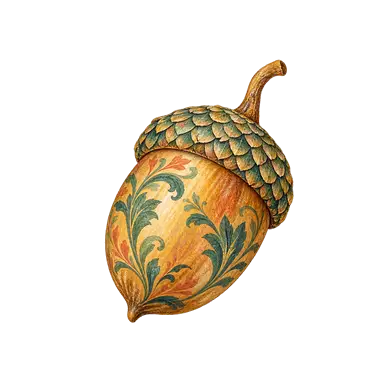
Cross-cultural
An oak’s fruit; potential and small beginnings are editorial metaphors.
In gifts: Little Dawn


Cross-cultural
Lunar phases and cycles; rest, change and rhythm are editorial metaphors.
In gifts: Moonlit Pause

Cross-cultural
Landforms and geological processes; resilience, goals and journeys are editorial metaphors.
In gifts: Steady Ascent
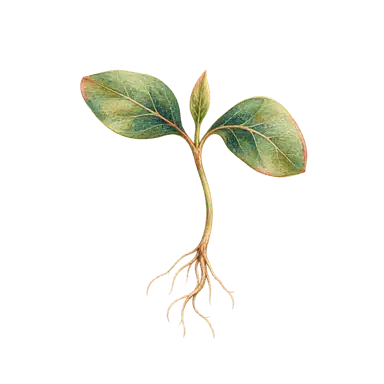
Cross-cultural
Germination and growth; new beginnings and patience are editorial metaphors.
In gifts: Little Dawn
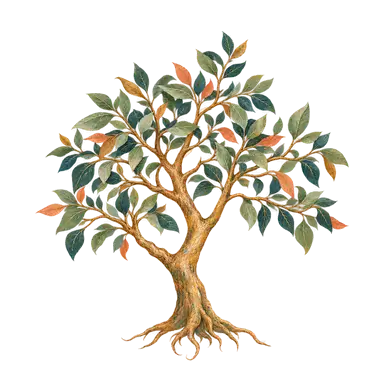
Cross-cultural
Plant growth and ecological relationships; roots, connections and long-term growth are editorial suggestions.
In gifts: Gathered Branches
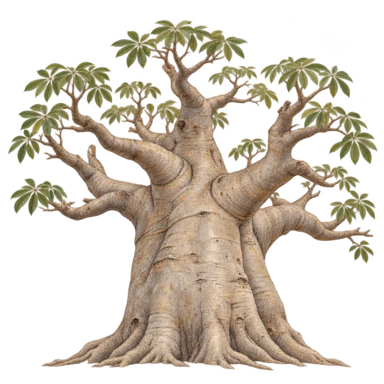
Dry woodland regions of sub-Saharan Africa
Modern editorial interpretation: A modern image of occupying space with calm rather than haste.
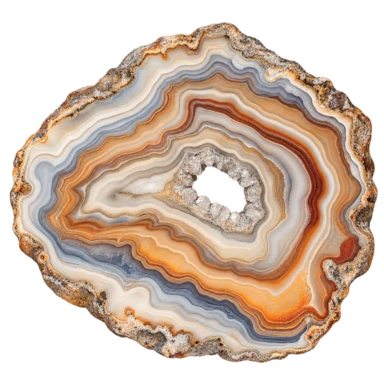
Agate-bearing rock cavities worldwide
A contemporary interpretation of time adding layers without demanding a single center of perfection.
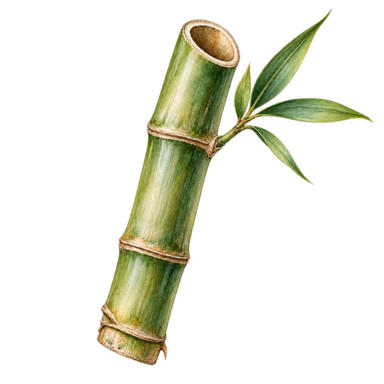
Generalized woody bamboo anatomy; Chinese art context identified separately
The Metropolitan Museum notes that bamboo can represent a virtuous person enduring difficult times in Chinese art. This describes an artistic association rather than a universal property of the plant.
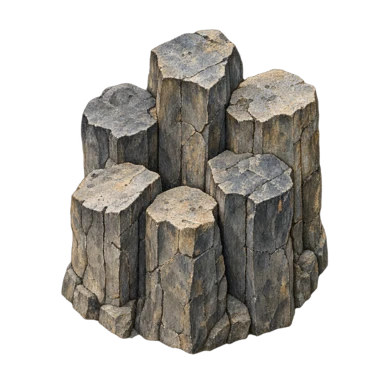
Basaltic volcanic terrains worldwide
Modern editorial interpretation: An editorial image of structure emerging gradually from change.
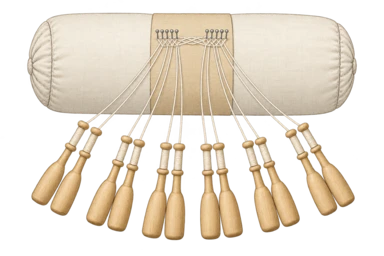
Ipswich, Massachusetts, United States; Smithsonian historical context
Smithsonian distinguishes Lakeman's surviving working pillow and later lace from a modern exhibition replica using a historical pattern. Both document a practice; neither is a template for this plain equipment study. The generic sample does not reproduce a regional pattern or attribute the drawing to a named maker.
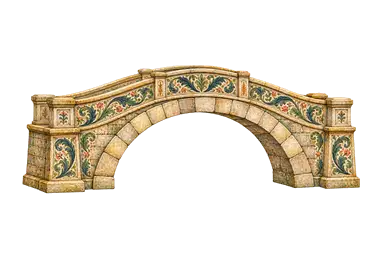
Cross-cultural
Crossing and connection; reconciliation is documented in a particular reconstruction project.
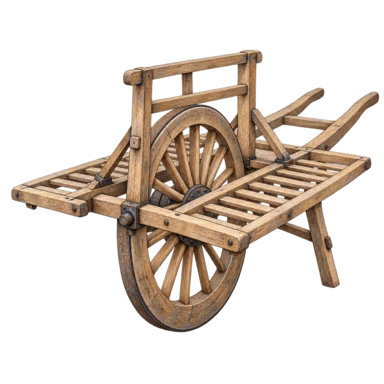
China; historical load-carrying form
The Science Museum model is associated with Beijing and has an unknown manufacture date; 1870-4 is its accession number. A separate Powerhouse collection describes side platforms and central wheel protection. Neither model's provenance is assigned to this original illustration or to all Chinese handcarts.
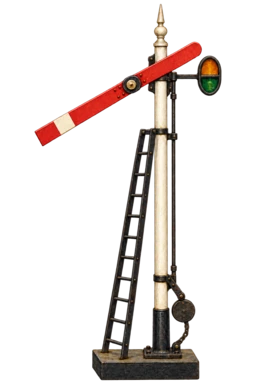
British railway design history represented by a Science Museum model
SMG accession 1912-76 is a model made around 1912 at a recorded scale of 1:16. It represents a historical Great Northern centre-pivot design. Museum discussion of failures and subsequent design changes is historical evidence, not a decorative origin myth or a claim about the safety of this image.
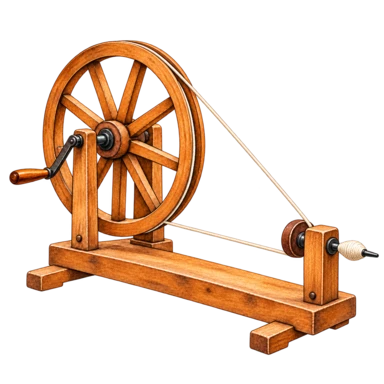
India; khadi and independence-movement context
The National Gandhi Museum documents multiple charkha constructions. The V&A explains khadi and swadeshi history. A traditional open low wheel is selected here, not a portable box charkha, mechanized multi-spindle machine, national flag or modern sculptural monument.
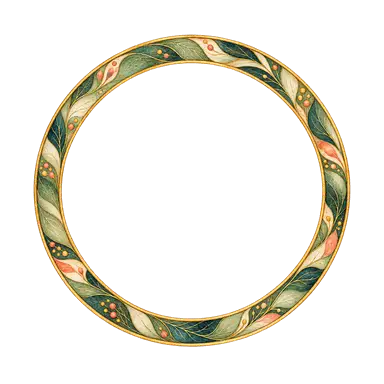
Cross-cultural
A closed geometric form equidistant from a center; wholeness, boundaries and connection are editorial metaphors.
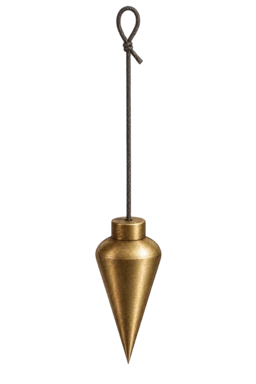
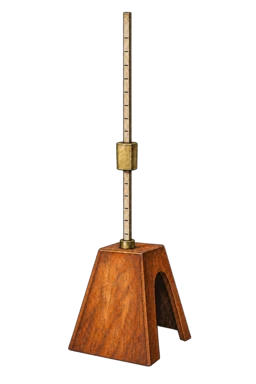
Building and surveying; gravity-based reference
Science Museum Group records a brass screw-cap bob dated 1900–1950. Museo Galileo explains the vertical reference in historic levels; only this principle is used. The chosen tool is not a sounding lead, pendulum clock, ritual object or Masonic arrangement.
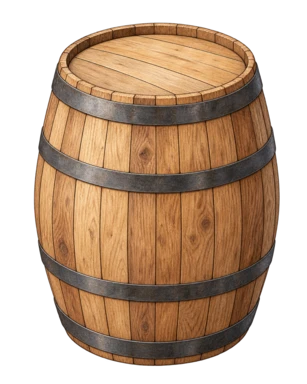
Cooperage; Colonial Williamsburg historical context
Cask is a broad historical container term; barrel also has capacity-specific uses. Four plain metal hoops are the selected configuration in this original study, not a universal historical rule or an exact Williamsburg object. The source's colonial tobacco-trade and enslaved-labor history remains part of the context.

Sunlit atmospheric particles and cloud shadows
Modern editorial interpretation: A contemporary image of an opening that lets attention through.
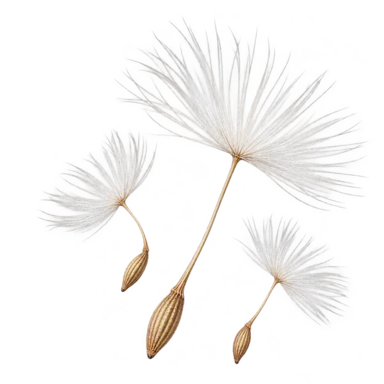
Generalized temperate dandelion anatomy
Modern editorial interpretation: A modern reading of small beginnings carried into open space.
Amsterdam development and Paris instrument-making context
This instrument belongs to the history of measured musical practice and shared mechanical development. The illustrated setting does not establish a beat rate, therapeutic effect or a single correct pace for creativity.
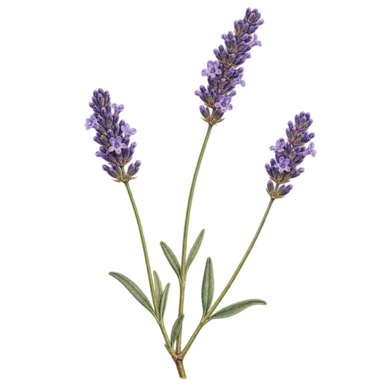
Native to parts of France, Italy and Spain; cultivated widely
Kew discusses lavender’s twentieth-century LGBTQIA+ associations and the color’s use for empowerment, remembrance and resistance. This optional historical context does not imply one meaning for every lavender flower or wearer.

Historic measurement; Science Museum collection evidence
The source-specific association is material measurement and comparison. The collection accession is not used as a manufacture date. Fairness or careful judgment is a contemporary editorial reading here, not a claim that this particular instrument is a court, astrological or sacred emblem.
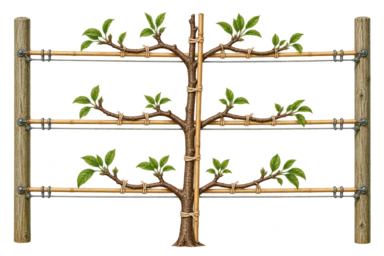
Horticultural method documented by the RHS and UC Marin; no origin country asserted
RHS guidance distinguishes soft shoot-to-cane ties from firmer cane-to-wire ties. UC Marin documents freestanding supports between posts and tier development over several years. The geometry expresses continuing horticultural work and economical use of growing space, rather than a naturally occurring tree outline.

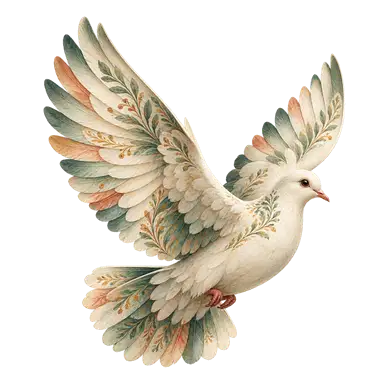
Cross-cultural
Feathers support flight, insulation and display; lightness and freedom are editorial metaphors.
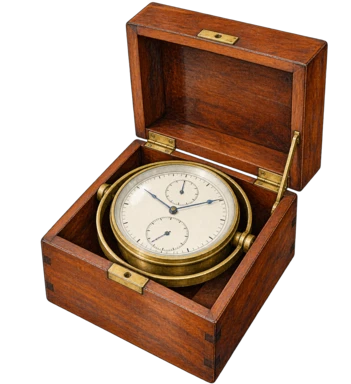
Precision marine timekeeping, with a British historical reference and subsequent international use
A precision instrument supporting navigation through time comparison; no promise that gimbals alone guarantee accuracy.
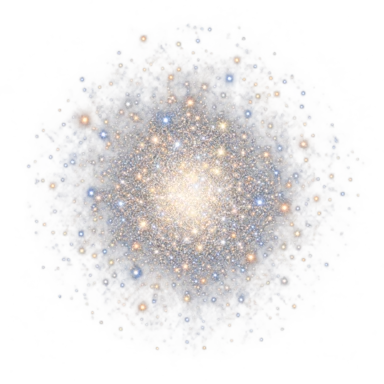
Galactic halos and other galactic environments
Modern editorial interpretation: An editorial image of many separate lights sharing a lasting neighborhood.
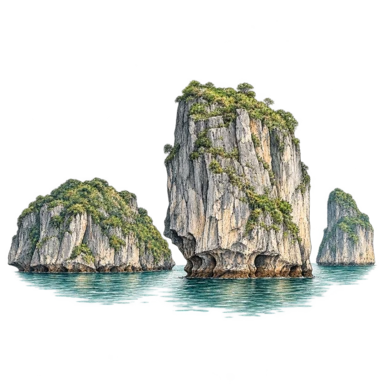
Northeastern Vietnam
The heritage authority documents both the geological process and archaeological evidence associated with Soi Nhu, Cai Beo and Ha Long cultures. Those histories remain context: no artefacts, cave art or community motifs are reproduced, and the bay is not described as culturally empty or uniformly pristine.
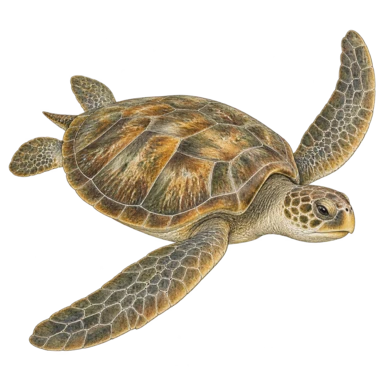
Tropical, subtropical and some temperate oceans
Modern editorial interpretation: A modern carrier for patient movement and care across a long journey.
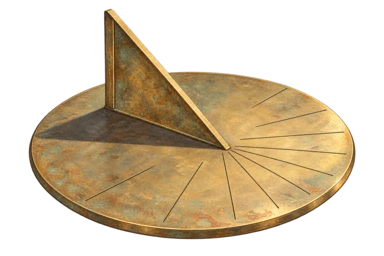
Solar timekeeping; German museum example and scientific explanation
The Science Museum's decorated German example and Museo Galileo's 2007 monument provide different historical and explanatory contexts. Neither supplies this plain design. The British Sundial Society explains the gnomon and sloping style; the image preserves that relationship while its sparse marks remain deliberately uncalibrated.
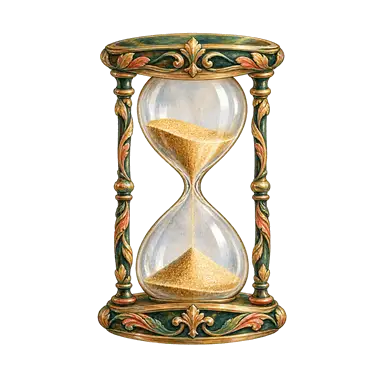
Cross-cultural
Measuring time; focus and appreciation of the present are editorial metaphors.
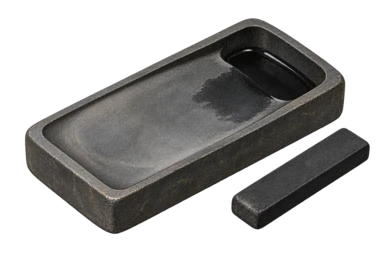
Chinese and Japanese museum contexts, kept distinct
Chinese desk arrangements and Japanese writing boxes provide related but distinct settings for these tools. The study does not imply one identical writing set across East Asia. Imperial decoration, literary portraits, named symbolic forms and inkstone-washing rituals are outside its image and editorial meaning.
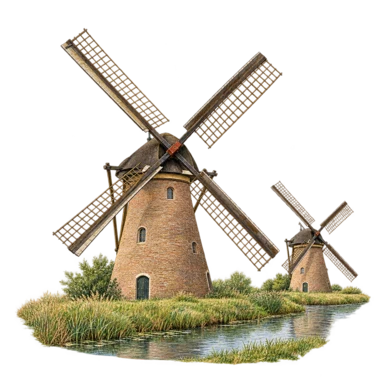
Kinderdijk, Netherlands
The site foundation distinguishes staggered round brick Nederwaard mills from the straight line of thatched Overwaard mills. The documented association is coordinated drainage and continuing skilled upkeep, not a universal national character.
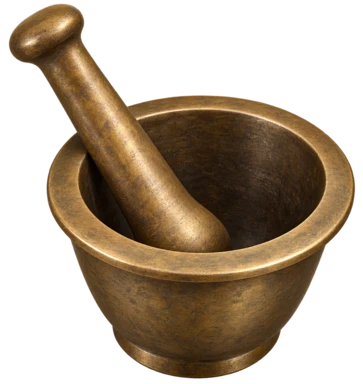
Widespread culinary tool; Spanish museum kitchen context
A separate Met brass example shows another form and retains a British-or-American attribution. Neither accession supplies the identity or decoration of the new artwork. Sacred, ceremonial, betel-specific and medicinal contexts are outside this selected ordinary-kitchen scope.
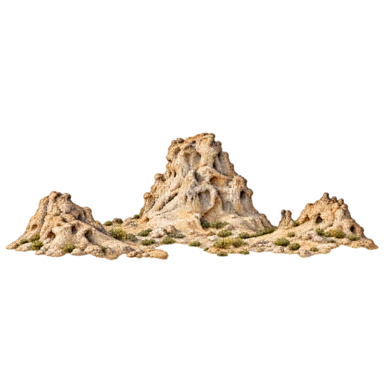
Eastern Lake Abbé margin, Djibouti
Djibouti submitted the wider cultural and natural landscape to the UNESCO Tentative List in 2015. Tentative listing does not mean World Heritage inscription or permission to use imagery. Nearby archaeological and burial sites and local pastoral life are separate contexts, not decorative elements supplied by this motif.
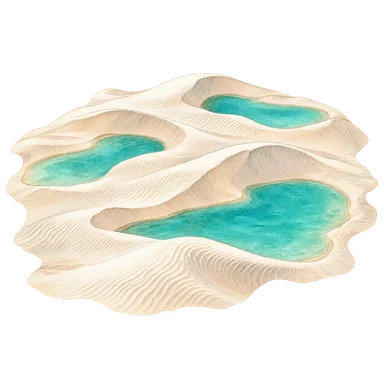
Maranhão, Brazil
Modern editorial interpretation: Renewal, breathing room and unexpected possibility.
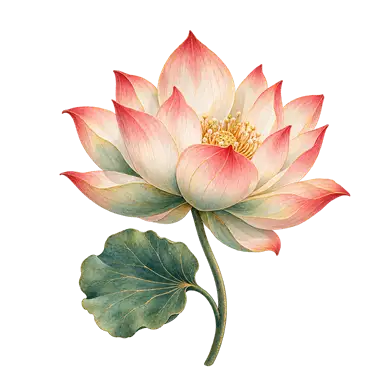
Cross-cultural
Auspiciousness, purity and enlightenment in Buddhist art; it is not simply religion-neutral.
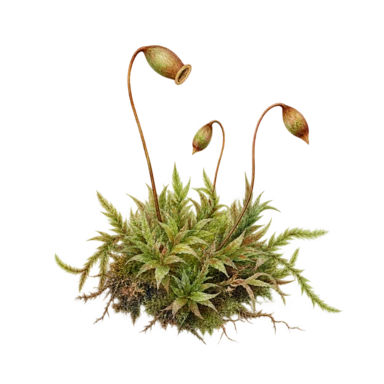
Moss habitats worldwide
Modern editorial interpretation: A modern appreciation of small structures that are easy to overlook.
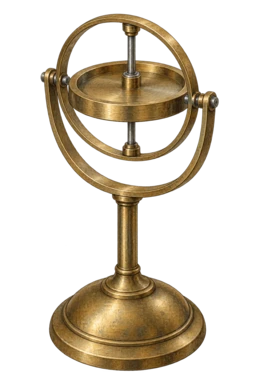
Manchester instrument-making context, 1855–1865
Science Museum Group Y1997.6.6 is attributed to John Benjamin Dancer in Manchester, 1855–1865, with a gift credit to the Manchester Literary & Philosophical Society. A separate 1883 Dumoulin-Froment apparatus in the collection demonstrated Earth’s rotation; this study does not reconstruct that experiment.
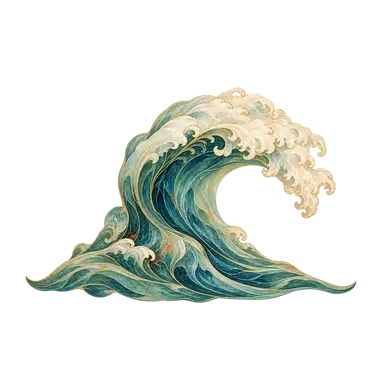
Cross-cultural
Energy moving through water; flow, adaptation and rhythm are editorial metaphors.
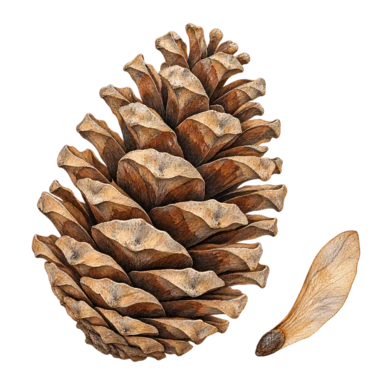
Pine-growing regions broadly; species unassigned
Modern editorial interpretation: A modern image of protection that can change into openness.
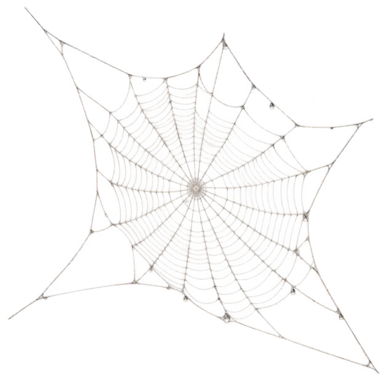
Habitats occupied by orb-weaving spiders; species unassigned
Modern editorial interpretation: A modern appreciation of repeated small actions building a responsive structure.
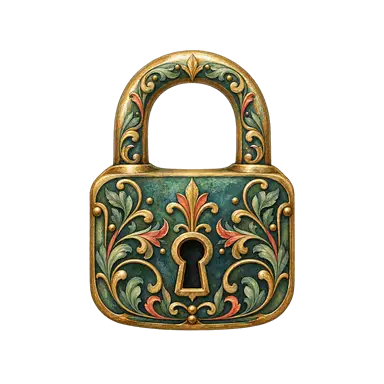
Cross-cultural
Protection and controlled access; boundaries and security are editorial metaphors.
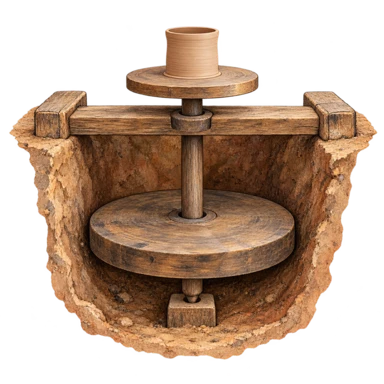
Dera Ismail Khan, Pakistan;1971 collection context
The publication records fieldwork from 1967–71 and is a historical snapshot, not a description of every contemporary Pakistani workshop. Its generic pit-wheel diagram explains the assembly: an upper wheelhead and a larger lower horizontal flywheel share a vertical shaft; the lower end turns on a thrust block in the pit. The Dera specimen photo does not expose every lower component, so this is a type study, not an exact reconstruction.

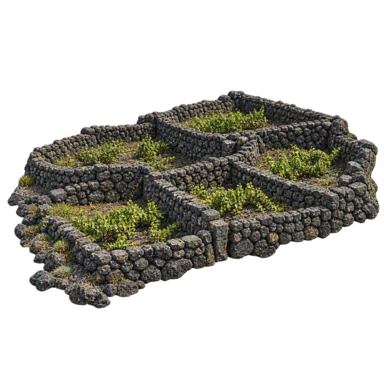
Pico Island, Azores, Portugal
UNESCO and Portuguese tourism sources locate the vineyard practice in the island's historic agricultural landscape, including Criação Velha and Santa Luzia. This is a living landscape maintained by growers; the wall pattern is functional rather than an invented sacred or national emblem.
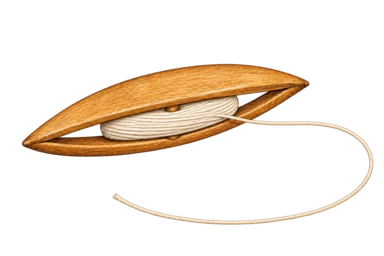
Historical lace-making tool and documented textile collections
The historical manual supports plain wooden shuttle construction. The additional Guild collection description locates winding on a central block, but its specimen material and provenance are not transferred to this new wooden study. No definitive national origin, invention or sailor-origin story is asserted.
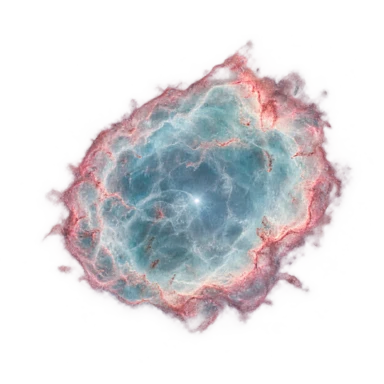
Interstellar space
Modern editorial interpretation: A contemporary image of change that sends material beyond a former boundary.
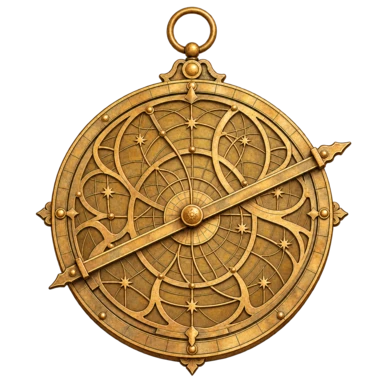
Astronomy across cultures
Modern editorial interpretation: Keep looking; your bearings can become clearer.
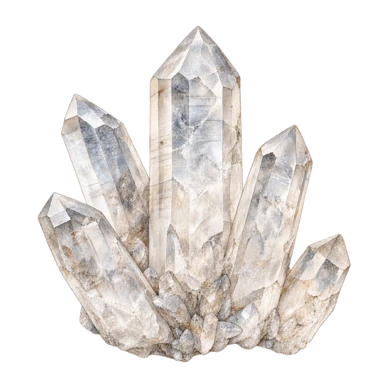
Quartz-bearing environments worldwide
A modern design reading of distinct facets growing together.
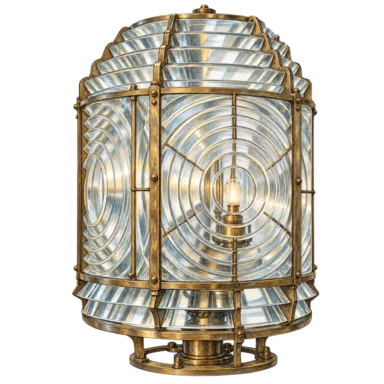
Historic lighthouse optics; French development and international maritime use
A Fresnel lighthouse lens uses carefully shaped glass to gather light into a beam. In revolving assemblies, panels pass around the lamp to create flashes that helped mariners recognize a light.
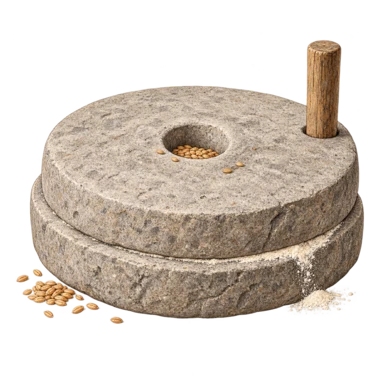
Household milling; Scottish museum evidence and wider use
The named Scottish finds ground the story in everyday food preparation. Museum of Cambridge describes regional forms and use beyond Britain; this is neither a uniquely Scottish invention claim nor a claim that one grain or household practice was universal.
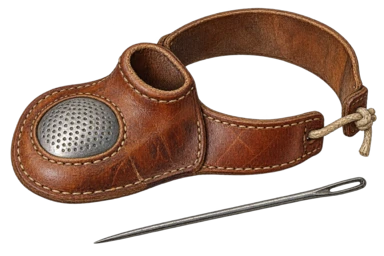
Transregional maritime work / examples documented in Australia and Britain
Its documented setting is the skilled repair and maintenance of water transport.
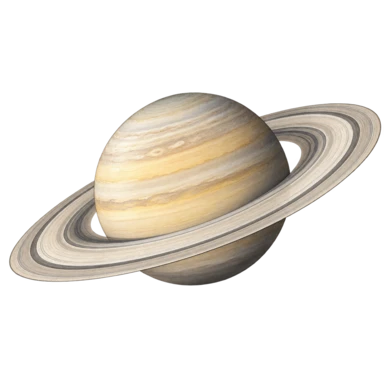
Saturn
Modern editorial interpretation: A modern image of many small parts held in a larger arrangement.
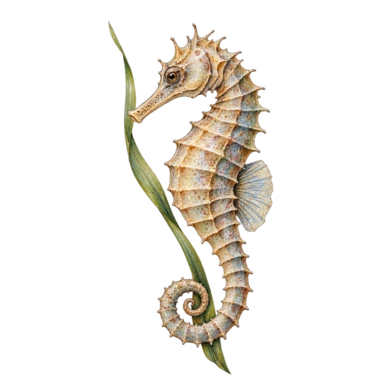
Coastal marine habitats; varies by species
Modern editorial interpretation: An editorial image of finding an anchor while remaining responsive.
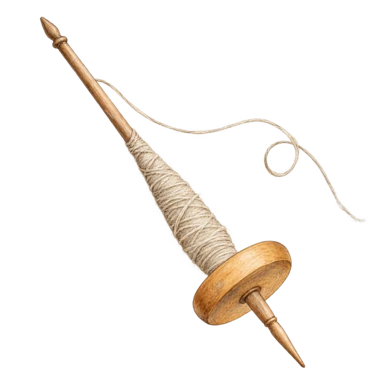
Spinning across cultures
Modern editorial interpretation: Let steady work become a strong thread.

Cross-cultural
Visual rotation and unfolding; growth, reflection and gradual progress are editorial suggestions.
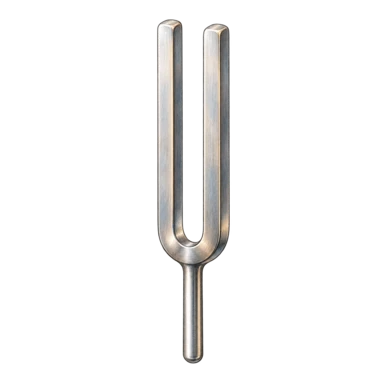
British musical history and international acoustic science
The documented association is pitch comparison and the exchange between music and acoustic science. Historical pitch labels are not silently equated with a modern frequency; no therapeutic tradition or universal emotional effect is asserted.
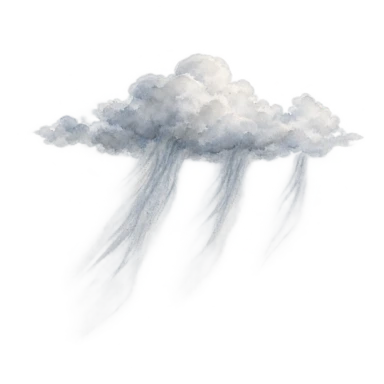
Clouds above drier air in varied regions
Modern editorial interpretation: A modern image of a change that matters even when it does not arrive as expected.
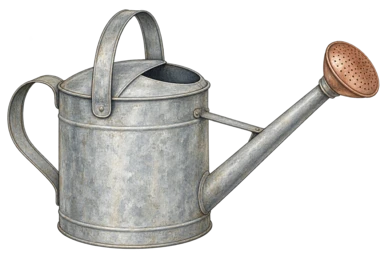
Cross-regional functional object; selected reference provenance is stated separately
The historical clay pot and photographed metal cans are different objects. This illustration selects a generic metal type; the private collection documents visible functional variations without establishing one worldwide origin or a single maker.
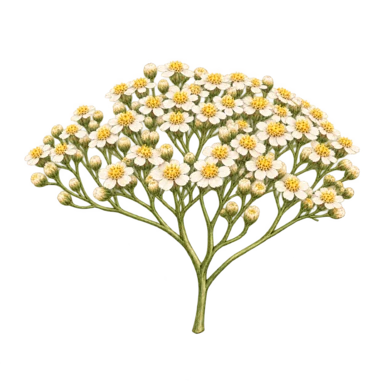
Temperate regions; species complex and local native status vary
North Carolina State University explains that the genus name recalls the mythological Achilles and a traditional story about treating battle wounds; the account is a naming legend, not verified medical efficacy.
Ready-made designs composed from the symbols above, each with a free card explaining what they mean.

Peace & safe keeping
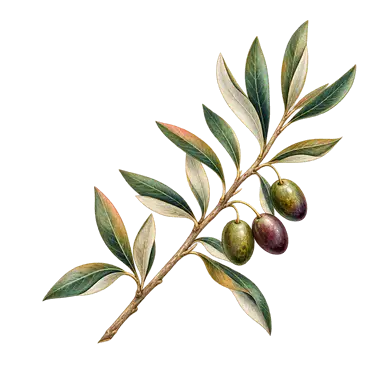
Olive branch · Anchor · Pingxi sky-lantern motif
A wish for steady days and a place to feel at ease.

Lasting friendship
Copihue flower · Krama checked weave · Nēnē
A wish for friendship that stays close through changing seasons.

Family & belonging
Tree · Qvevri vessel silhouette · Blown-glass-bead ornament
A wish for a family, however it is formed, to feel connected and welcome.

Gratitude & appreciation
Bojagi wrapping cloth · Agaseke basket
A small thank-you for care, generosity, or a thoughtful gesture.

Career progress & achievement
Laurel wreath · Mountain · Sisserou parrot
A wish for meaningful progress, earned confidence, and work that matters.

Abundance & flourishing
Lotus & fish · Wheat ear · Three Abundances fruit
A wish for efforts to flourish and for enough to enjoy and share.

A warm new home
Ger dwelling silhouette · Shanyrak roof crown · Azulejo four tiles (original glazed construction study)
A wish for an everyday place of comfort, welcome, and belonging.

A new child & growing family
Seedling · Acorn · Snow crystal
A wish for tenderness and support as a family grows.
More guides: Love & partnership · Family, home & belonging · New beginnings & hope · Luck, joy & celebration · Strength & courage · Care, gratitude & remembrance · Friendship & connection · Curiosity, creativity & wonder · Nature & the living world
Meanings are interpretive and vary by community and context. We show the documented meaning and its source — never a promise of any outcome.