
SYMBOL GUIDE
Symbols of new beginnings & hope around the world
115 symbols that people in different cultures use to express new beginnings & hope: where each comes from, what it is documented to mean, and a source you can check.
Jump to: East Asia (7) · South & Southeast Asia (1) · Middle East & Central Asia (2) · Africa (7) · Europe (10) · The Americas & Caribbean (16) · Oceania & the Pacific (6) · Shared across cultures & nature (66)
East Asia
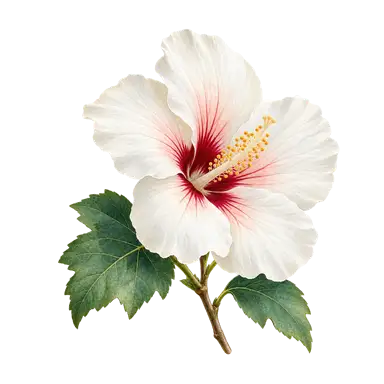
Mugunghwa / rose of Sharon
South Korea
Continuity and perseverance through hardship.
In gifts: Quiet Courage
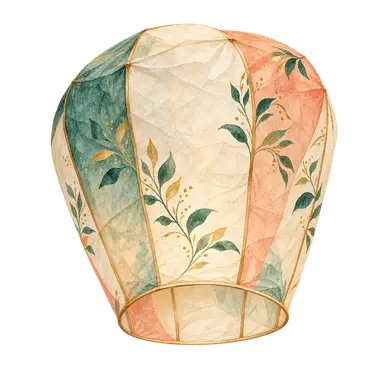

Seigaiha wave pattern
Japan
A visual expression of layered waves; calm or forward movement are optional personal interpretations.
In gifts: Homeward Tide
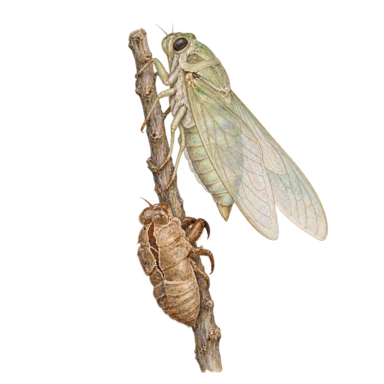
Cicada emergence study
Many temperate and tropical regions; Chinese cultural context separately documented
The Smithsonian National Museum of Asian Art describes a specific Han-dynasty funerary association: jade cicada amulets placed on the deceased’s tongue expressed hopes for rebirth and immortality. This historical context is separate from the natural animal illustration.
South & Southeast Asia
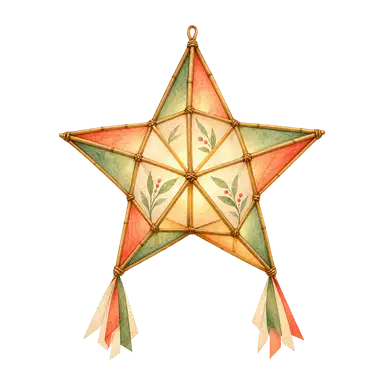
Parol star lantern
Philippines
Hope and guidance in a Philippine Christian Christmas context.
In gifts: Winter Lights
Middle East & Central Asia
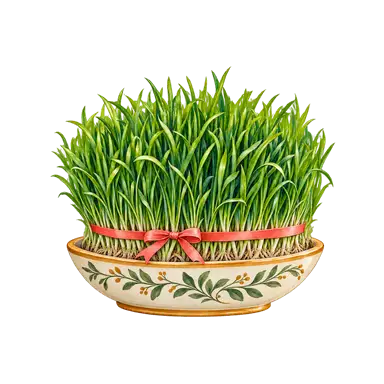
Africa
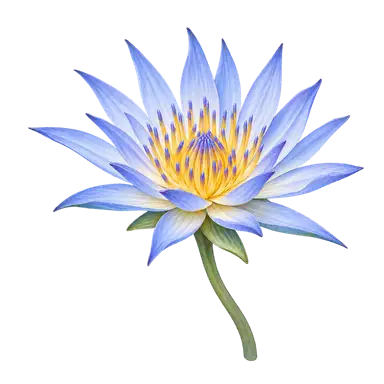
Ancient Egyptian lotus / water lily
Egypt
In ancient Egyptian contexts, the water lily was associated with daily rebirth and renewed vitality through its nightly closing and morning opening.
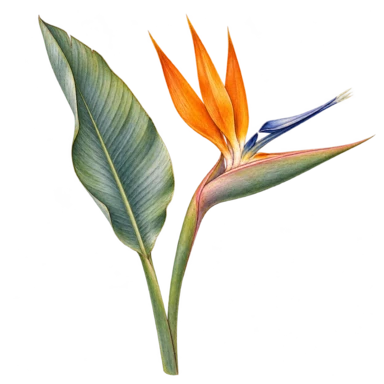
Bird-of-paradise floral study
South Africa; cultivated internationally
Modern editorial interpretation: A modern image of making an unexpected shape feel entirely natural.
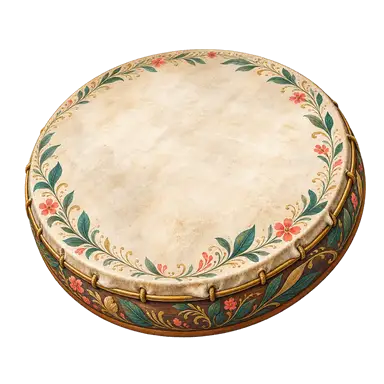
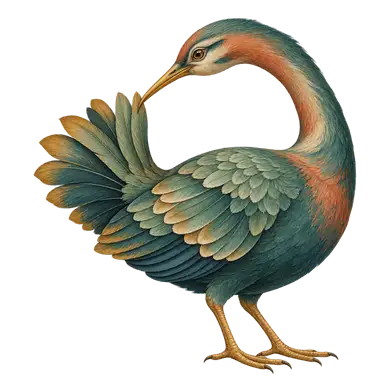
Sankofa (Akan symbol)
Ghana
The Sankofa idea values returning to retrieve what has been forgotten and learning from history; it has more than one traditional visual form.
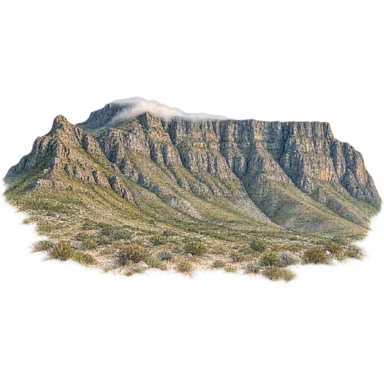
Table Mountain summit study
Cape Town, South Africa
Modern editorial interpretation: A steady horizon, with room for clouds to pass.
Europe
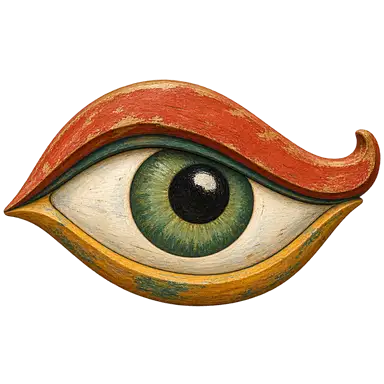
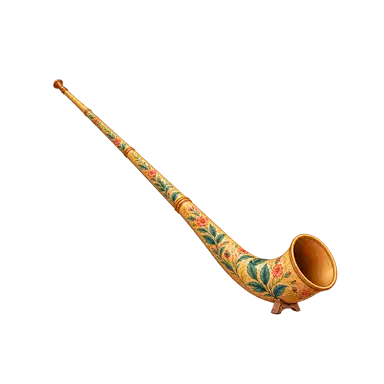

Andorran Falles fire trace (editorial festival-motion component)
Andorra
Summer solstice, community gathering and continuity.
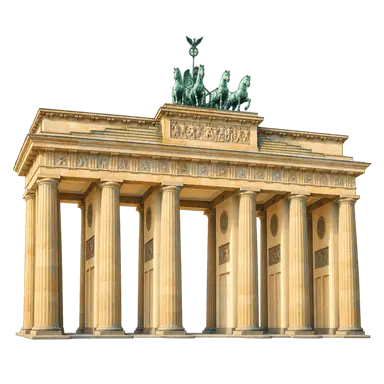
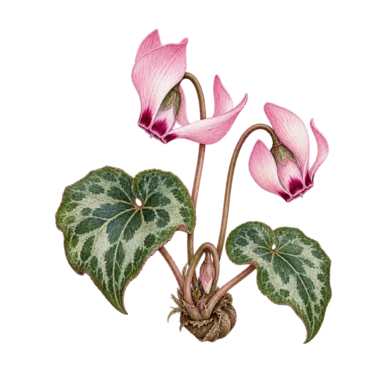
Ivy-leaved cyclamen study
Mediterranean and southern European woodlands
Modern editorial interpretation: An editorial reminder that a new beginning can arrive outside the expected season.
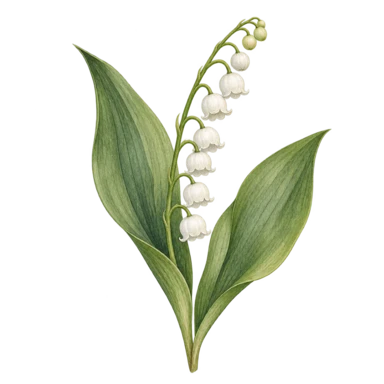
Lily-of-the-valley bell raceme study
Native from Europe to the Caucasus; also cultivated; French May Day gifting context
French public broadcaster archive INA documents the May 1 custom of giving a sprig of muguet to loved ones, including archival footage of ceremonial gifting.
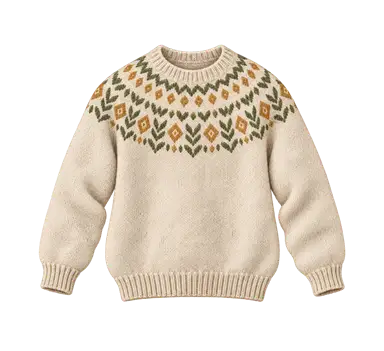
Round-yoke sweater (original surface study)
Iceland
Resilience against cold, local craft and Icelandic cultural identity.
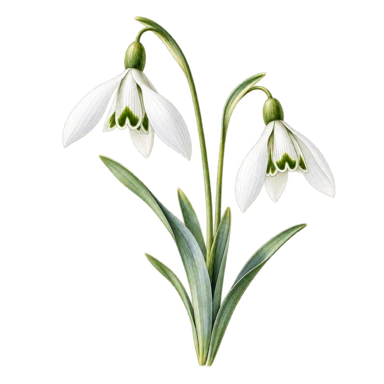
Snowdrop nodding blooms
European-origin species; gardens and other habitats
Modern editorial interpretation: An editorial image of beginning quietly, without requiring perfect conditions.
The Americas & Caribbean
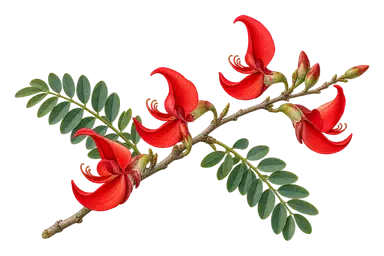
Bois Caraïbe flowering branch
Dominica
Government material associates it with resilience in overcoming obstacles, ingenuity and the nation’s continuity.
In gifts: Light Returns
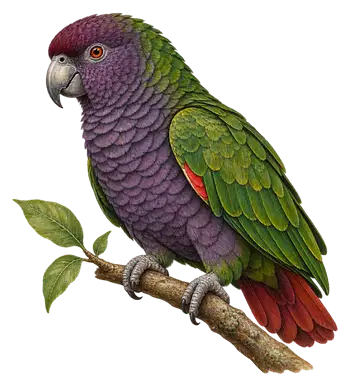
Sisserou parrot
Dominica
The education ministry associates it with soaring higher, realizing ambitions and national identity.
In gifts: Steady Ascent
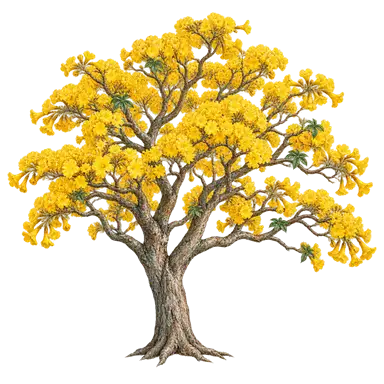
Araguaney (natural flowering-tree study)
Venezuela
Venezuelan national and natural identity; hope is a contemporary editorial association.
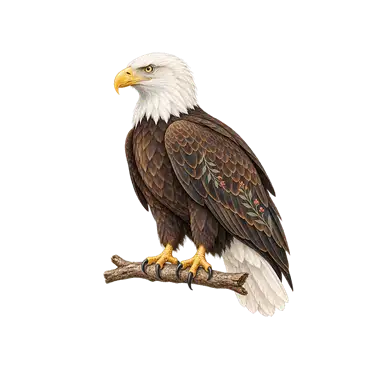
Bald eagle
United States of America
United States national identity; its conservation recovery can support a contemporary theme of resilience.
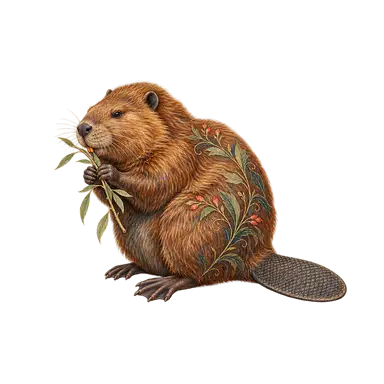
Beaver
Canada
An official symbol of Canadian sovereignty and historical identity; industriousness is a modern interpretation that should not erase the fur-trade context.
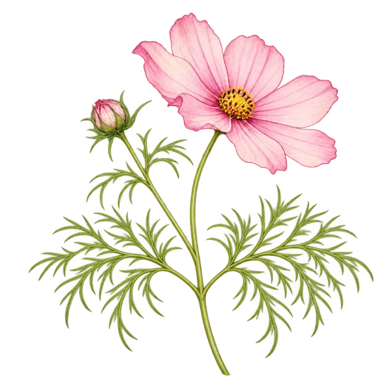
Cosmos fine-leaved blossom study
Native to Mexico; cultivated internationally
Modern editorial interpretation: A modern image of lightness supported by a clear center.
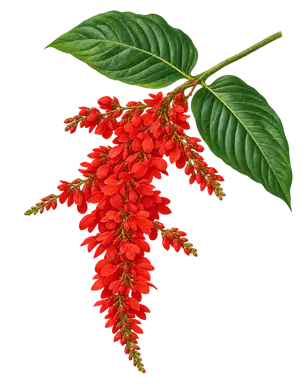
Double Chaconia selected-cultivar natural-form study
Trinidad and Tobago
Continuity of life and the nation in the foreign ministry's interpretation.

Gold five-point star component study in Suriname civic context
Suriname
Unity, hope and a shared future in a modern Surinamese government interpretation.

Joumou soup (food component study)
Haiti
Freedom, dignity, resilience and community belonging, as documented by UNESCO.
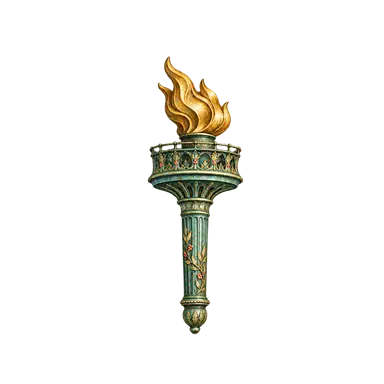
Liberty torch
United States of America
Enlightenment and liberty; the statue's broken chains also relate to abolition.
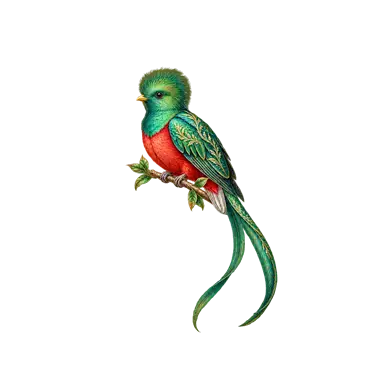
Resplendent quetzal
Guatemala
Government news material associates the bird with freedom and beauty; sacred Maya contexts require separate study.
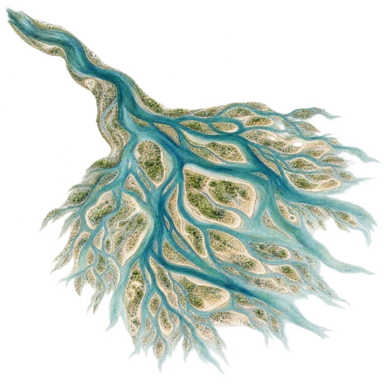
River-delta distributaries
River mouths worldwide; cited example in Louisiana, United States
Modern editorial interpretation: An editorial image of one journey opening into many future paths.
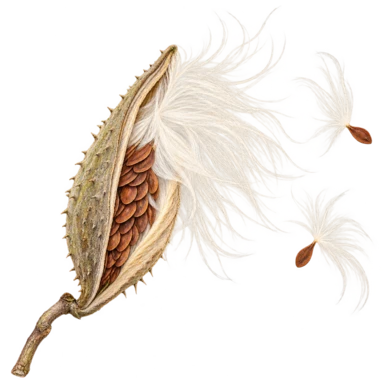
Showy milkweed opening pod
Western and central North America
A contemporary image of letting go with care rather than abandoning what matters.
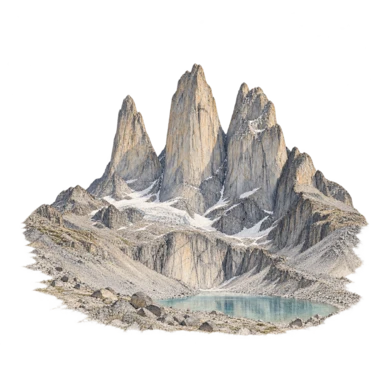
Torres del Paine towers
Patagonia, Chile
Modern editorial interpretation: Stand with resolve while leaving room for awe.

Wax palm
Colombia
A legally designated national tree; foreign-ministry material notes its height, longevity and strength. Resilience is a contemporary emotion mapping.
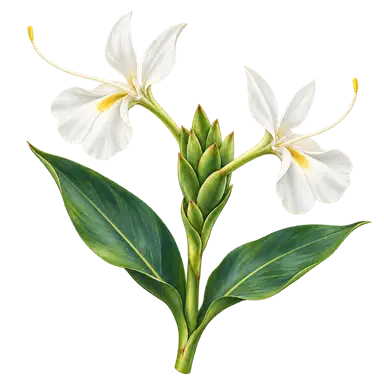
White mariposa ginger flower
Cuba
Cuban national identity and memories of independence; official tourism material connects it with women carrying liberation messages.
Oceania & the Pacific
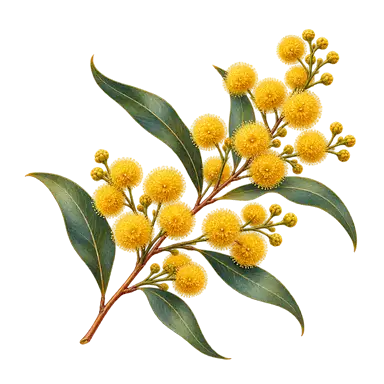
Golden wattle
Australia
Government sources associate golden wattle with unity and resilience through adversity, as well as remembrance and reflection.
In gifts: Quiet Courage
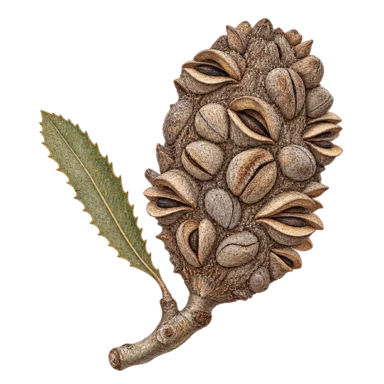
Banksia woody follicles
Australia-centered genus; some occurrence beyond Australia
An editorial image of a protected possibility opening when conditions change.
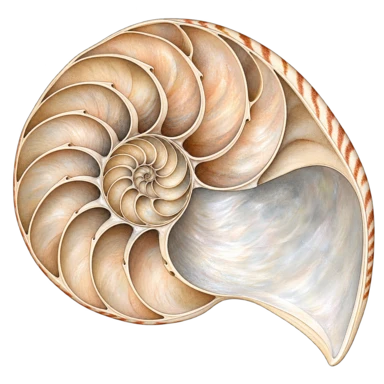
Chambered nautilus shell section
Western Pacific and coastal Indian Ocean
An editorial metaphor for growing while carrying a visible record of earlier rooms.
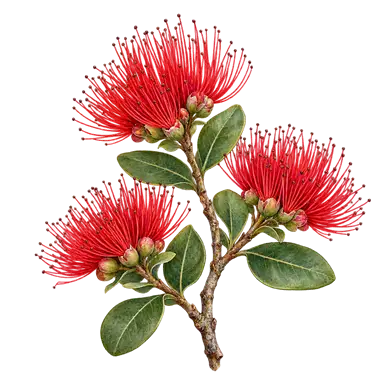
ʻŌhiʻa lehua
Hawaiʻi
Native forest relationships; lovers' symbolism belongs to attributed, varying narratives rather than one universal ancient meaning.
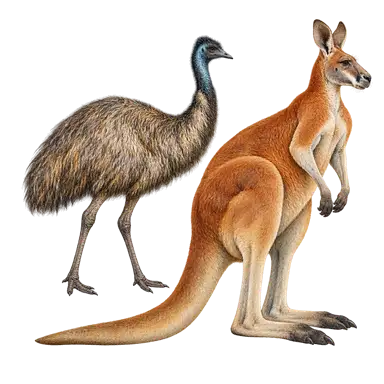
Kangaroo and emu pair
Australia
Familiar Australian wildlife symbols; “moving forward” is a common interpretation noted by government, not a proven reason for their selection.
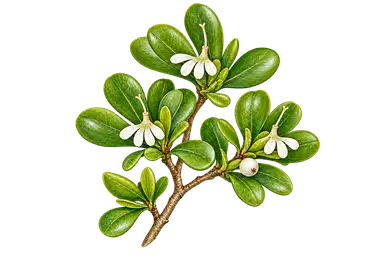
Naupaka kahakai
Hawaiʻi
Separation and longing in varying lovers' stories; reunion is an editorial wish rather than a universal historical or botanical claim.
Shared across cultures & nature
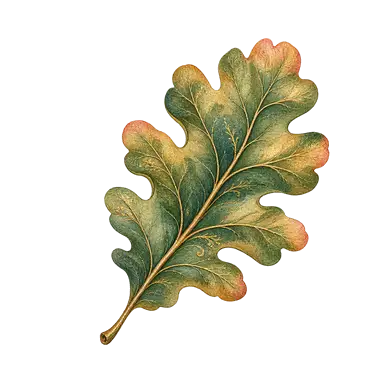
Oak leaf
Cross-cultural
Natural and historical oak imagery; endurance and resilience are editorial extensions.
In gifts: Quiet Courage, Harvest Table
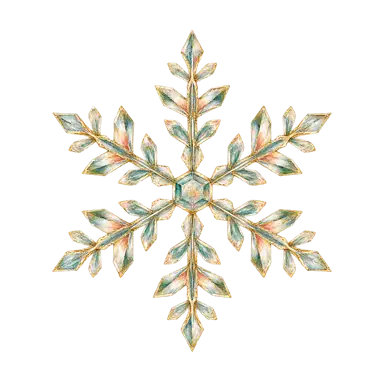
Snow crystal
Cross-cultural
Ice-crystal growth; small differences and uniqueness are editorial metaphors.
In gifts: Little Dawn, Winter Lights
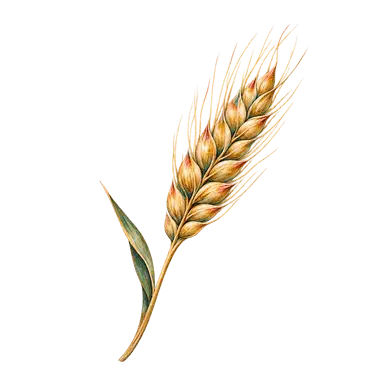
Wheat ear
Cross-cultural
Food and agriculture; abundance, effort and harvest are editorial extensions.
In gifts: Golden Harvest, Harvest Table
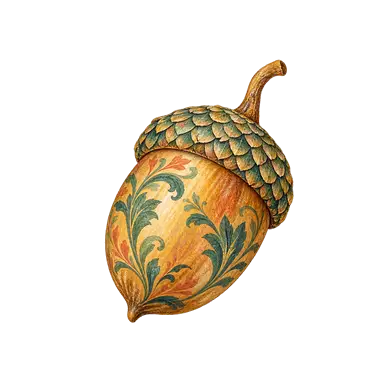
Acorn
Cross-cultural
An oak’s fruit; potential and small beginnings are editorial metaphors.
In gifts: Little Dawn

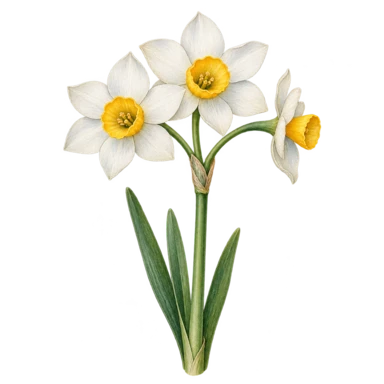
Chinese New Year narcissus study
Chinese New Year cultivation; botanical group cultivated internationally
The Asian Art Museum describes flowering narcissus as auspicious in Chinese New Year displays, associated with good fortune and prosperity. Its white-and-yellow form is named Gold Cup on Silver Stand in that account.
In gifts: New Year Blossoms
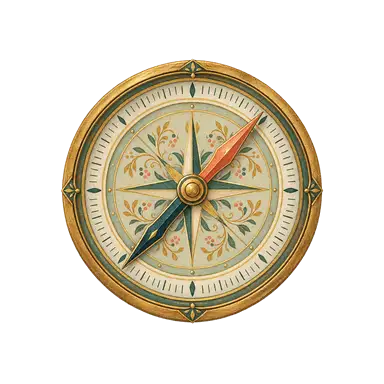
Compass
Cross-cultural
A tool for finding direction; autonomy and exploration are editorial metaphors.
In gifts: Beyond the Horizon

Crescent moon
Cross-cultural
Lunar phases and cycles; rest, change and rhythm are editorial metaphors.
In gifts: Moonlit Pause
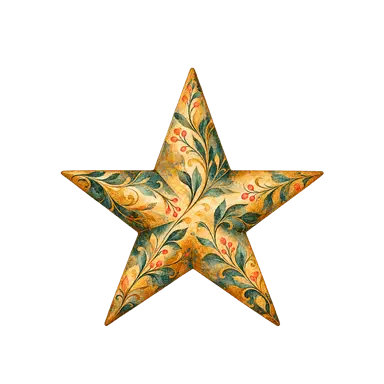
Five-point star
Cross-cultural
A geometric star; direction, wishes and moments of brilliance are editorial metaphors.
In gifts: Open Skies

Heart
Cross-cultural
Love and care, including affection for partners, family and friends.
In gifts: Two in Bloom

Key
Cross-cultural
Opening and access; opportunity and choice are editorial metaphors, with specific historical examples as love tokens.
In gifts: Open Skies

Laurel wreath
Cross-cultural
Victory and honor; self-recognition is an editorial extension.
In gifts: Steady Ascent
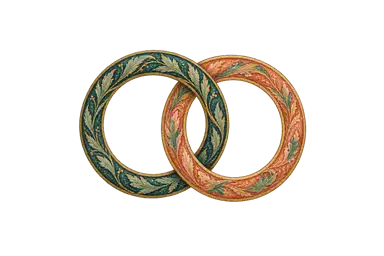
Linked rings
Cross-cultural
Historically, marital connection; partnership is a contemporary extension.
In gifts: Two in Bloom
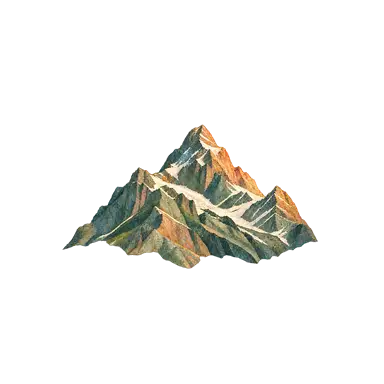
Mountain
Cross-cultural
Landforms and geological processes; resilience, goals and journeys are editorial metaphors.
In gifts: Steady Ascent
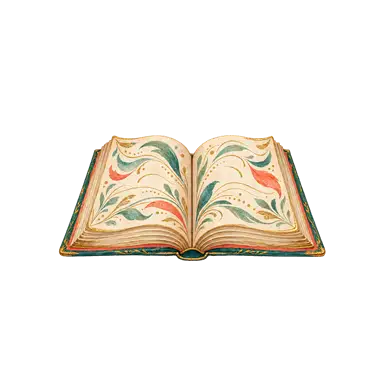
Open book
Cross-cultural
Books and recorded knowledge; curiosity, learning and rewriting one’s life are editorial metaphors.
In gifts: Beyond the Horizon
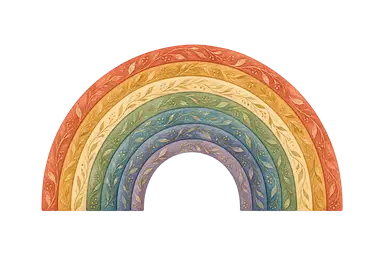
Rainbow
Cross-cultural
A light spectrum; diversity and hope are editorial metaphors.
In gifts: Light Returns
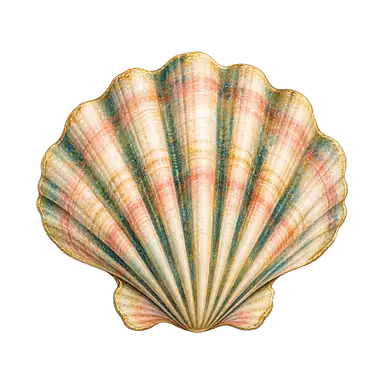
Scallop shell
Cross-cultural
A natural shell, associated with pilgrimage in a specific tradition; a personal journey is an editorial extension.
In gifts: Homeward Tide
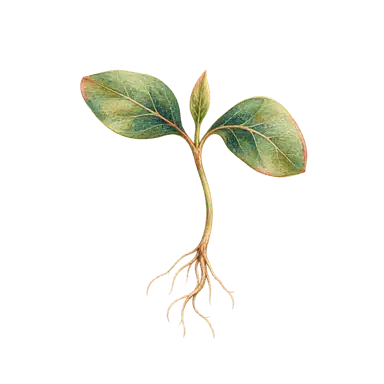
Seedling
Cross-cultural
Germination and growth; new beginnings and patience are editorial metaphors.
In gifts: Little Dawn

Sun
Cross-cultural
Light and heat; warmth, vitality and hope are editorial metaphors.
In gifts: Growing Light
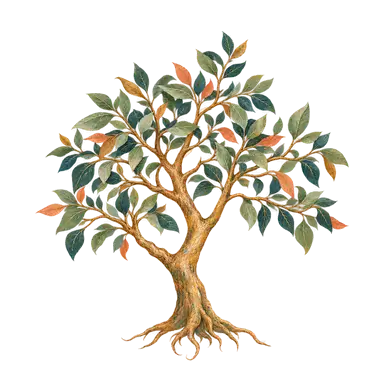
Tree
Cross-cultural
Plant growth and ecological relationships; roots, connections and long-term growth are editorial suggestions.
In gifts: Gathered Branches
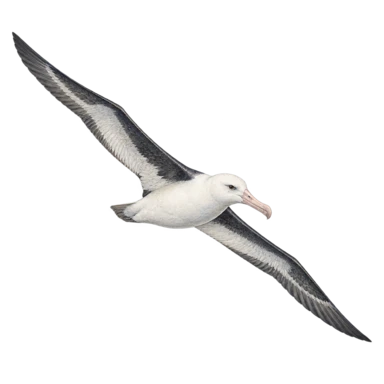
Albatross soaring-wing study
Oceanic settings; great-albatross inspiration with species-dependent ranges
Modern editorial interpretation: A modern image of working with changing conditions rather than meeting everything with force.
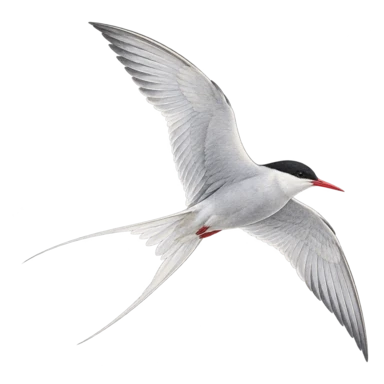
Arctic-tern flight study
Northern breeding regions and migration context extending to Antarctic waters
Modern editorial interpretation: A modern image of a long journey that still leaves room for return.
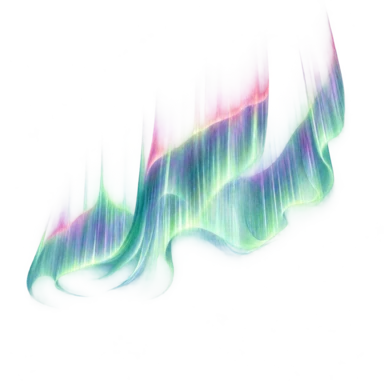
Aurora curtains
Earth; principally high-latitude skies in both hemispheres
An editorial image of energy becoming visible: a quiet sky finding its voice.
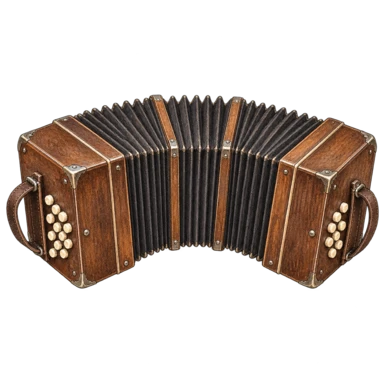
Bandoneon
German manufacturing roots; Río de la Plata, Argentina and Uruguay
With German manufacturing roots, the bandoneon became a distinctive voice in tango in the Río de la Plata region. Its bellows and button keyboards carry a story of musical exchange in Argentina and Uruguay.
Beamed musical notes
Cross-cultural
Written music; rhythm, creativity and expression are editorial extensions.
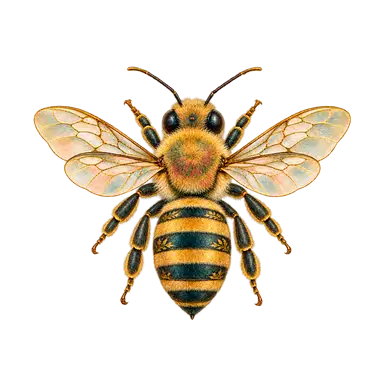
Bee
Cross-cultural
Interdependence between pollinators and people; cooperation and contribution are editorial metaphors.
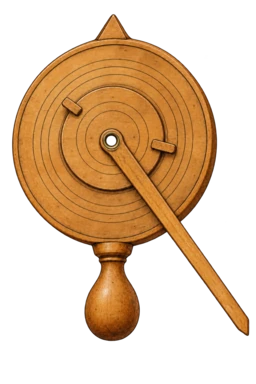
Boxwood nocturnal star clock
Seventeenth-century English instrument type in Royal Museums Greenwich
Greenwich connects nocturnals with both skilled observation and printed learning aids, including Peter Apian’s 1524 description. The specific boxwood example is English and seventeenth-century, with an unknown maker; this does not establish a single inventor or universal symbolism.
Bridge
Cross-cultural
Crossing and connection; reconciliation is documented in a particular reconstruction project.
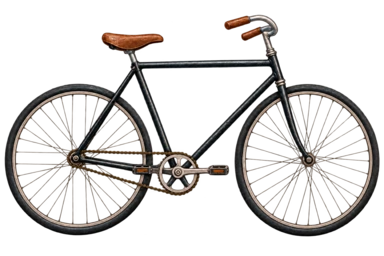
Chain-driven safety-bicycle study
Nineteenth-century bicycle history; British museum context
The 1885 Rover's curved tubes and the 1890 Humber's straighter frame are different documented examples. This original later diamond-frame type combines general safety-bicycle structure without reproducing either machine. The historical mobility story remains bounded by affordability and social access rather than a universal claim of liberation.
Circle
Cross-cultural
A closed geometric form equidistant from a center; wholeness, boundaries and connection are editorial metaphors.
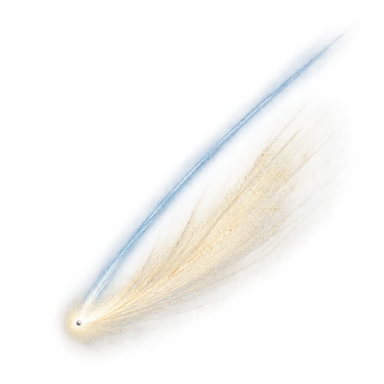
Comet two-tail study
Solar System
Modern editorial interpretation: An editorial expression of a journey becoming briefly visible.

Crepuscular light-ray study
Sunlit atmospheric particles and cloud shadows
Modern editorial interpretation: A contemporary image of an opening that lets attention through.
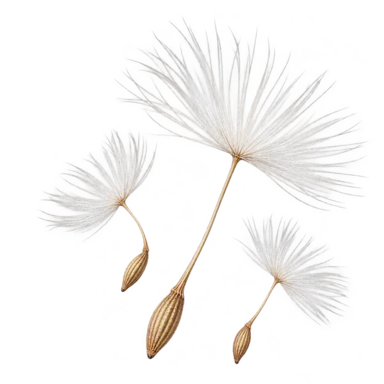
Dandelion fruit-and-pappus study
Generalized temperate dandelion anatomy
Modern editorial interpretation: A modern reading of small beginnings carried into open space.
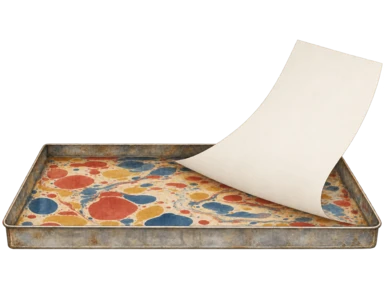
Ebru tray-and-paper process study
Türkiye; documented Ebru practice in Muratpaşa, Antalya
Ebru is a living Turkish art taught through relationships between masters and apprentices, with a documented history in book decoration. An Antalya ministry publication from 2015 credits Letafet Sarıbaş working at a tray in Muratpaşa. Her documentary contribution remains distinct from this digital illustration; the still photograph does not establish a direction of motion.
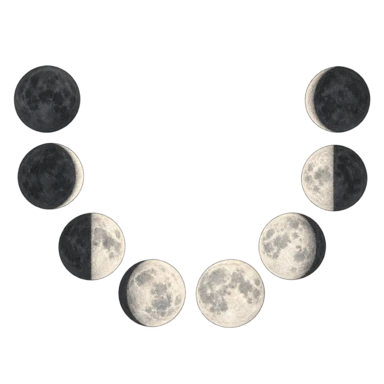
Eight-phase lunar-cycle study
Earth–Moon viewing geometry; schematic north-up convention
Modern editorial interpretation: A modern expression of remaining whole while being seen differently over time.
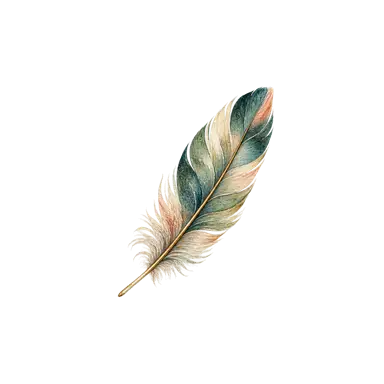
Feather
Cross-cultural
Feathers support flight, insulation and display; lightness and freedom are editorial metaphors.
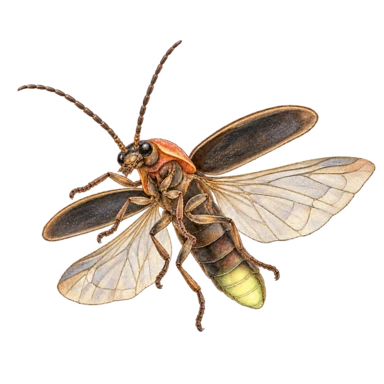
Firefly abdominal-lantern study
Many terrestrial habitats; species-dependent
Modern editorial interpretation: A contemporary image of a small signal reaching another presence.
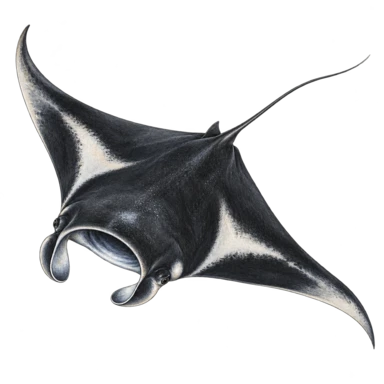
Giant manta swimming study
Tropical, subtropical and some temperate seas
Modern editorial interpretation: A modern image of moving with breadth and calm rather than force.
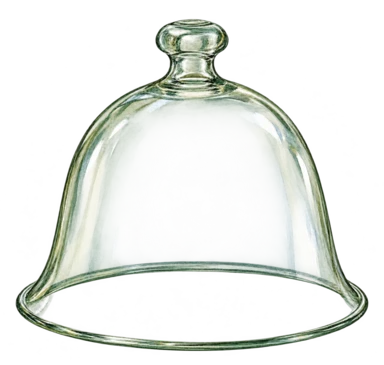
Glass garden bell-cloche study
Cross-regional functional object; selected reference provenance is stated separately
The garden bell is a movable plant shelter whose use includes ventilation. This empty, open-bottom study leaves out the plant and lifting prop; its historical reference does not establish a universal invention date or place.
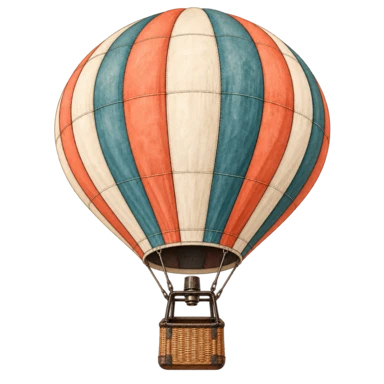
Hot-air balloon study
French flight history; international ballooning
The historical association is experimentation with human flight. Gas-balloon Channel crossings, aerial photography and round-the-world feats are not assigned to this hot-air design. The modern type is named honestly; no festival, balloon brand or national symbolism is implied.
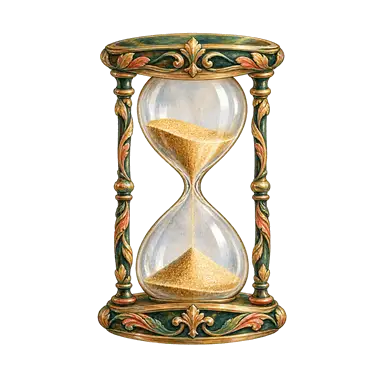
Hourglass
Cross-cultural
Measuring time; focus and appreciation of the present are editorial metaphors.

Infinity sign
Cross-cultural
Mathematical infinity; lasting connection and open possibility are contemporary editorial interpretations.
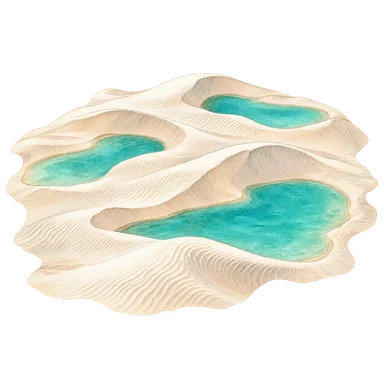
Lençóis Maranhenses dune-lagoon study
Maranhão, Brazil
Modern editorial interpretation: Renewal, breathing room and unexpected possibility.
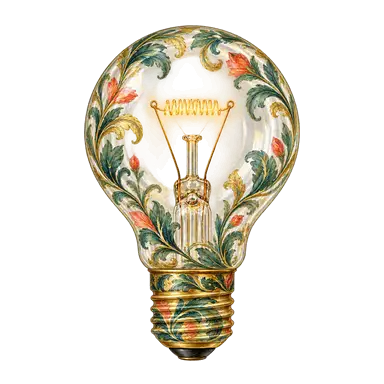
Lightbulb
Cross-cultural
Artificial lighting; inspiration, experimentation and creativity are editorial metaphors.
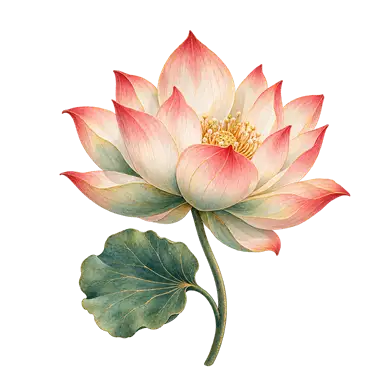
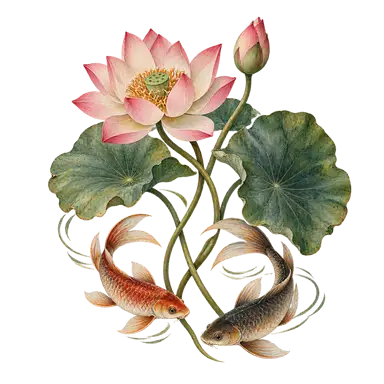
Lotus blossom
Cross-cultural
Auspiciousness, purity and enlightenment in Buddhist art; it is not simply religion-neutral.
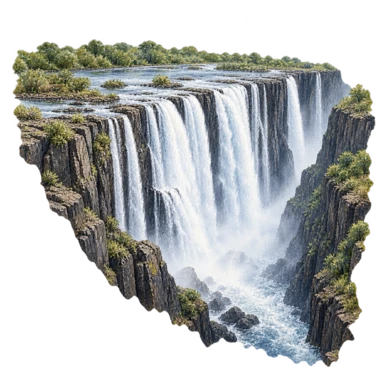
Mosi-oa-Tunya / Victoria Falls gorge study
Zambezi River, Zambia and Zimbabwe
Both countries and both established names are retained. Joint conservation is documented by the two national authorities. This study is limited to geography and natural form; it does not depict or interpret ritual practice or sacred places.
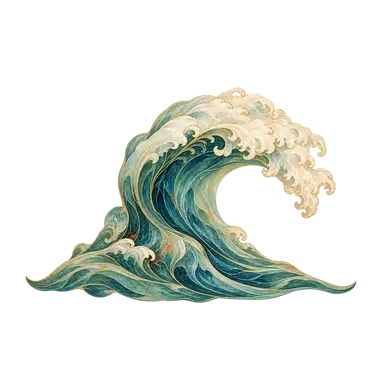
Ocean wave
Cross-cultural
Energy moving through water; flow, adaptation and rhythm are editorial metaphors.
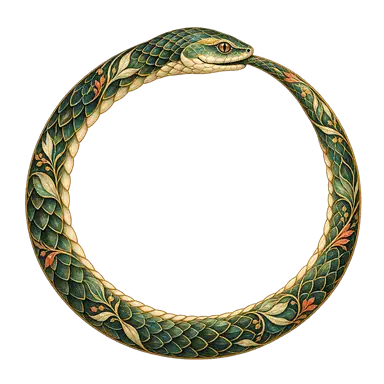
Ouroboros
Cross-cultural
A snake holding its tail in a ring; cycles and fresh starts are editorial interpretations.
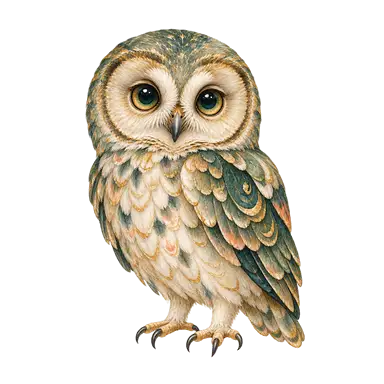
Owl
Cross-cultural
Wisdom in imagery associated with Athena; observation and learning are editorial extensions.

Padlock
Cross-cultural
Protection and controlled access; boundaries and security are editorial metaphors.
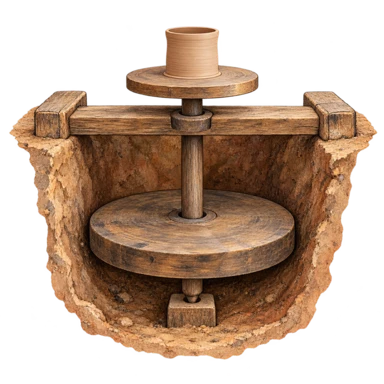
Pakistani potter’s pit-wheel study
Dera Ismail Khan, Pakistan;1971 collection context
The publication records fieldwork from 1967–71 and is a historical snapshot, not a description of every contemporary Pakistani workshop. Its generic pit-wheel diagram explains the assembly: an upper wheelhead and a larger lower horizontal flywheel share a vertical shaft; the lower end turns on a thrust block in the pit. The Dera specimen photo does not expose every lower component, so this is a type study, not an exact reconstruction.
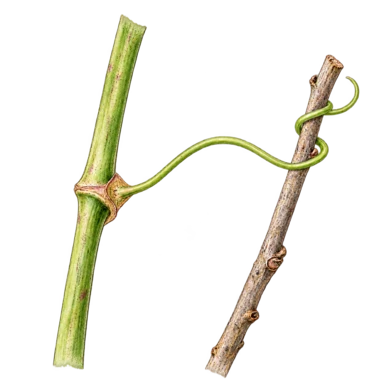
Passionflower tendril-around-support study
Generalized climbing passionflower anatomy; species unassigned
Modern editorial interpretation: An editorial image of reaching outward while finding support.
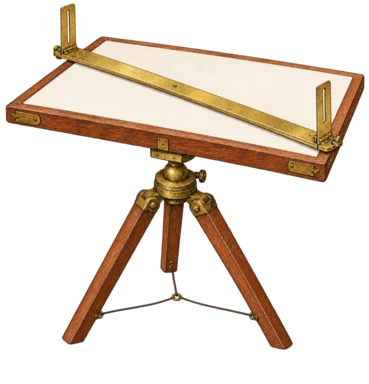
Plane table and sighting alidade
W. & S. Jones instrument-making context, London, 1801–1830
The named outfit is attributed to W. & S. Jones in London, 1801–1830. Its collection record separates original components from a modern sheet, a replica sleeve combined with an original ball-and-socket, and a separate museum-made display support.
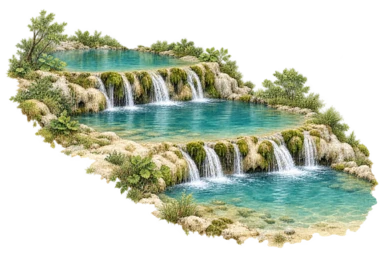
Plitvice tufa-barrier cascade study
Plitvice Lakes National Park, Croatia
The park authority describes mosses, algae and bacteria as participants in tufa formation and stresses the material's vulnerability to damage. The two barriers and three pools in this image are a selected original composition of documented relationships. They do not map a named waterfall, count the park's lakes or describe current water conditions.

Praxinoscope mirror-drum study
France; nineteenth-century optical-toy history
Twelve picture positions are a selected historical configuration, with one corresponding mirror for each position. This static drawing uses a new abstract sequence and does not reproduce a particular maker's toy or establish a tested working animation.
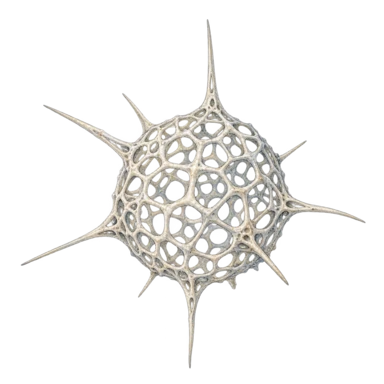
Radiolarian-inspired siliceous lattice study
Marine waters
Modern editorial interpretation: A contemporary image of delicate structure creating a small interior world.
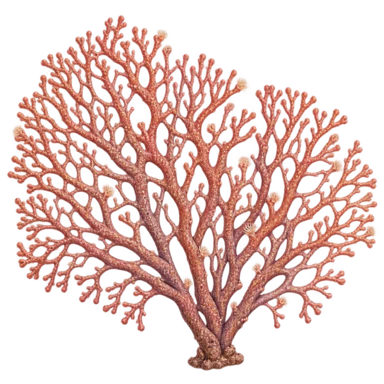
Sea-fan lattice
Tropical and other marine habitats; varies by species
A contemporary image of strength that leaves room for movement.

Spiral
Cross-cultural
Visual rotation and unfolding; growth, reflection and gradual progress are editorial suggestions.
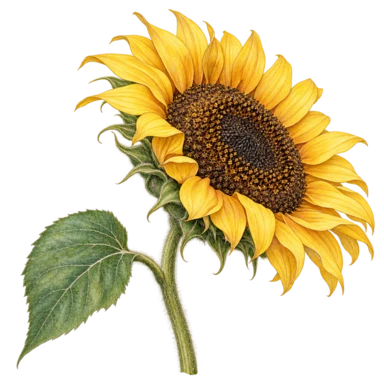
Sunflower composite-head study
Native to North America; widely cultivated
Modern editorial interpretation: A modern image of many small contributions making a generous whole.
Give these symbols as a gift
Ready-made designs composed from the symbols above, each with a free card explaining what they mean.

Peace & safe keeping
Quiet Harbor
Olive branch · Anchor · Pingxi sky-lantern motif
A wish for steady days and a place to feel at ease.
From $49Choose

Wellbeing & vitality
Growing Light
Five bats and longevity motif · Sun
A wish for good days, renewed energy, and room to grow.
From $49Choose

Love & partnership
Two in Bloom
Mandarin ducks & lotus · Linked rings · Heart
A wish to keep choosing, growing, and making a life together.
From $49Choose

Family & belonging
Gathered Branches
Tree · Qvevri vessel silhouette · Blown-glass-bead ornament
A wish for a family, however it is formed, to feel connected and welcome.
From $49Choose

New beginnings
First Light
Sabzeh sprouts on Haftseen · Kukui
A wish for a fresh chapter with space, possibility, and hope.
From $49Choose

Good luck & opportunity
Open Skies
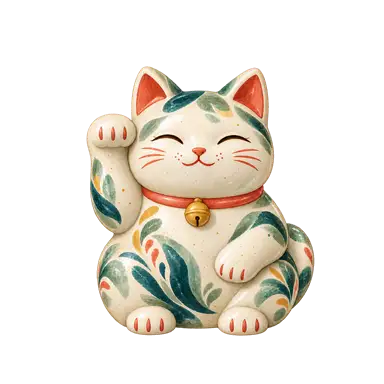
Maneki-neko · Key · Five-point star
A wish for a fortunate opening and the confidence to meet it.
From $49Choose

Career progress & achievement
Steady Ascent
Laurel wreath · Mountain · Sisserou parrot
A wish for meaningful progress, earned confidence, and work that matters.
From $49Choose

Graduation & exploration
Beyond the Horizon
Compass · Open book · Edelweiss
A wish for curiosity, confidence, and room to discover what comes next.
From $49Choose
More guides: Love & partnership · Family, home & belonging · Luck, joy & celebration · Peace, calm & comfort · Strength & courage · Care, gratitude & remembrance · Friendship & connection · Curiosity, creativity & wonder · Nature & the living world
Meanings are interpretive and vary by community and context. We show the documented meaning and its source — never a promise of any outcome.